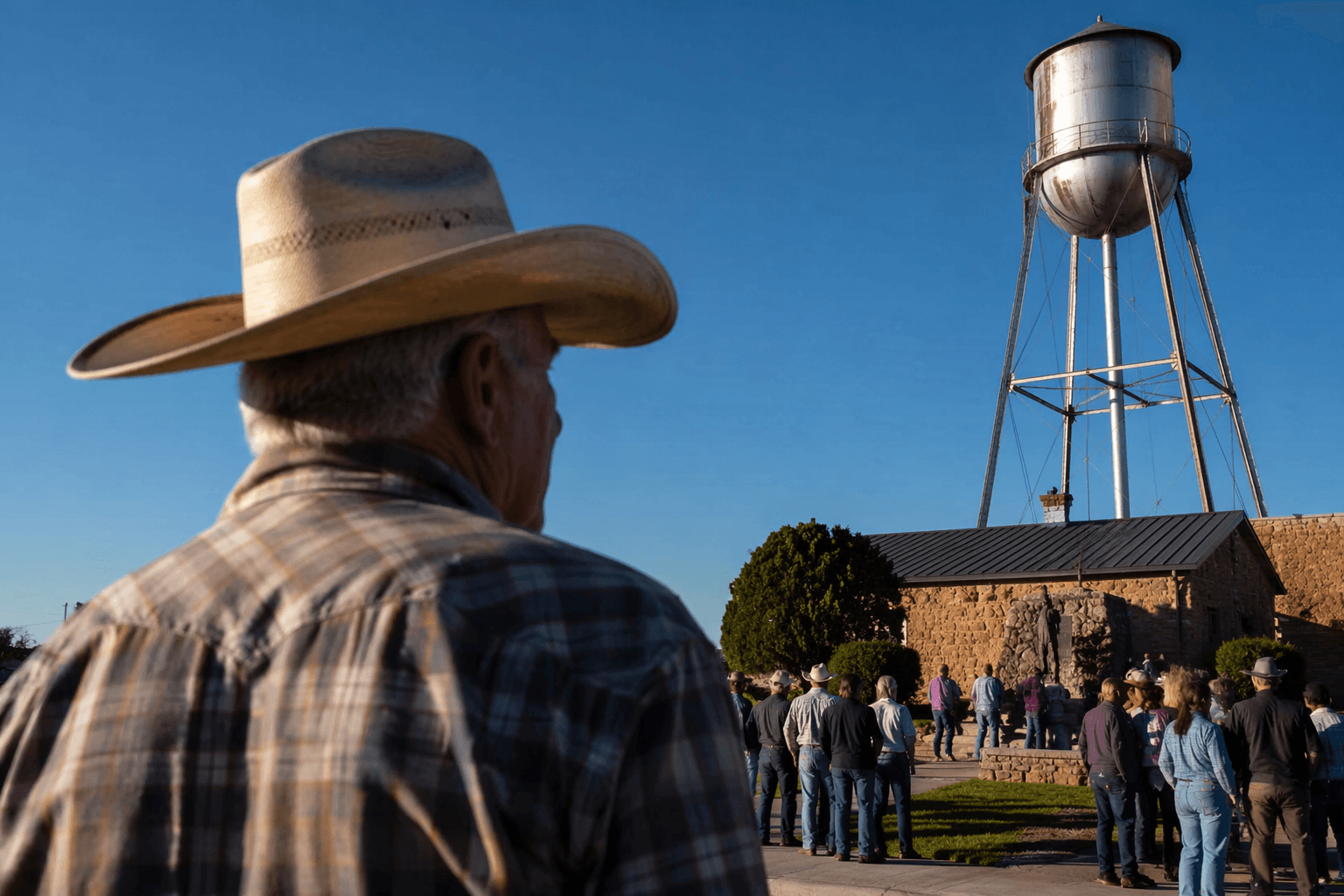
Supporters Rally in Canyon to Demand Reopening of Panhandle-Plains Museum
Supporters rallied in Canyon Jan. 17 to demand reopening of the Panhandle-Plains Historical Museum, citing threats to jobs, tourism and access to regional archives.

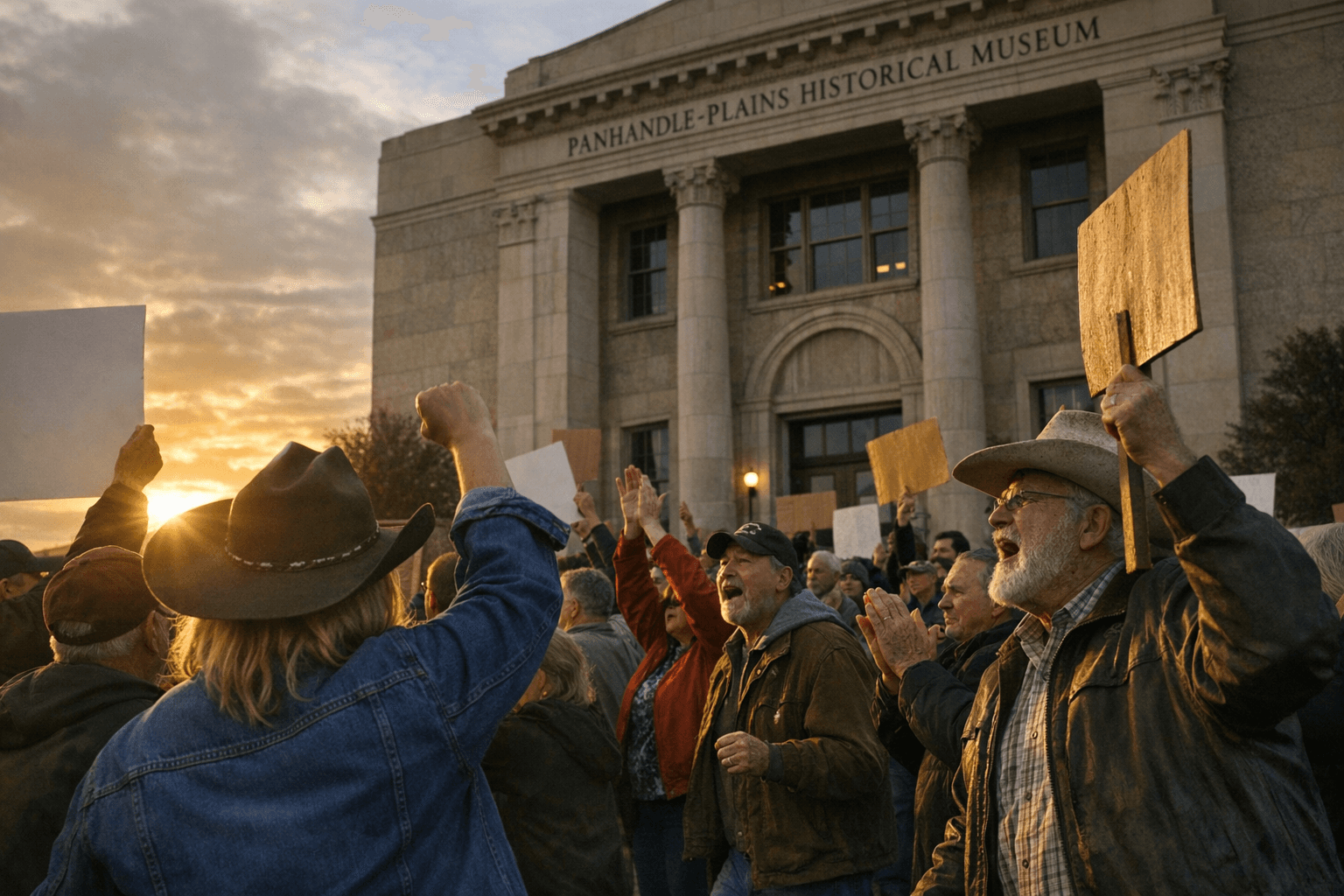
Hundreds of supporters gathered outside the Panhandle-Plains Historical Museum in Canyon on Jan. 17 to press for the institution to reopen after it closed in March 2025. The rally drew students, community members and civic leaders who framed the closure as a Panhandle-wide loss of cultural, educational and economic value.
Organizers described the museum as a central repository for regional artifacts, family records and school programming that serves visitors and researchers across the Texas Panhandle, including residents of Texas County and neighboring counties. Attendees emphasized that the museum’s collections are not only local curiosities but primary source material used by genealogists, university researchers and K-12 educators across the region.
The closure has immediate and longer-term impacts for Canyon and the surrounding economy. Local officials and business owners have cited lost tourism revenue that once flowed to Main Street hotels, restaurants and gas stations. Museum staff positions and contracts with local service providers remain in limbo, raising questions about jobs that supported families in Canyon and adjacent communities. For school districts that relied on museum outreach, the loss interrupts planned curricula and field trip opportunities for students across the Panhandle.
Beyond economics, the rally highlighted institutional accountability and transparency. Supporters called on museum leadership and elected officials to provide a public timeline and clear rationale for the closure and to present options for reopening, preservation or transfer of stewardship for archival material. The event underscored the role that civic engagement plays in shaping cultural policy in rural regions; organizers deliberately framed their demands as relevant to the broader Panhandle, not only to residents of Canyon.
Policy implications extend to county and state levels. Decisions about funding, governance and potential partnerships will influence whether the museum reopens as a publicly accessible research and education center. Local elected officials, county commissioners and state representatives face pressure to clarify budgets and oversight responsibilities for cultural institutions that provide regional services. How those officials respond may factor into constituent assessments of incumbents in upcoming local elections, as voters weigh tangible community services like museums alongside broader economic concerns.
For Texas County readers, the rally is a reminder that institutional closures can ripple across school districts, family histories and local economies. Organizers left the gathering calling for concrete action from authorities and for continued Panhandle-wide advocacy. The next developments to watch are any formal proposals from museum leadership, statements from local and state officials, and scheduled public meetings where residents can press for a pathway to restore access to the museum’s collections and programs.
This article was produced by Prism’s automated news system from verified source data, official records, and press releases, then run through automated quality and moderation checks before publishing. The system is built and supervised by the people who set the standards it runs under. Read our full AI policy.
Did this article answer your question?