Texas County history, courthouse records help trace family roots
Family researchers can trace Texas County roots from 1907 courthouse files to cemetery plats, ghost towns, and museum collections tied to the county’s start.
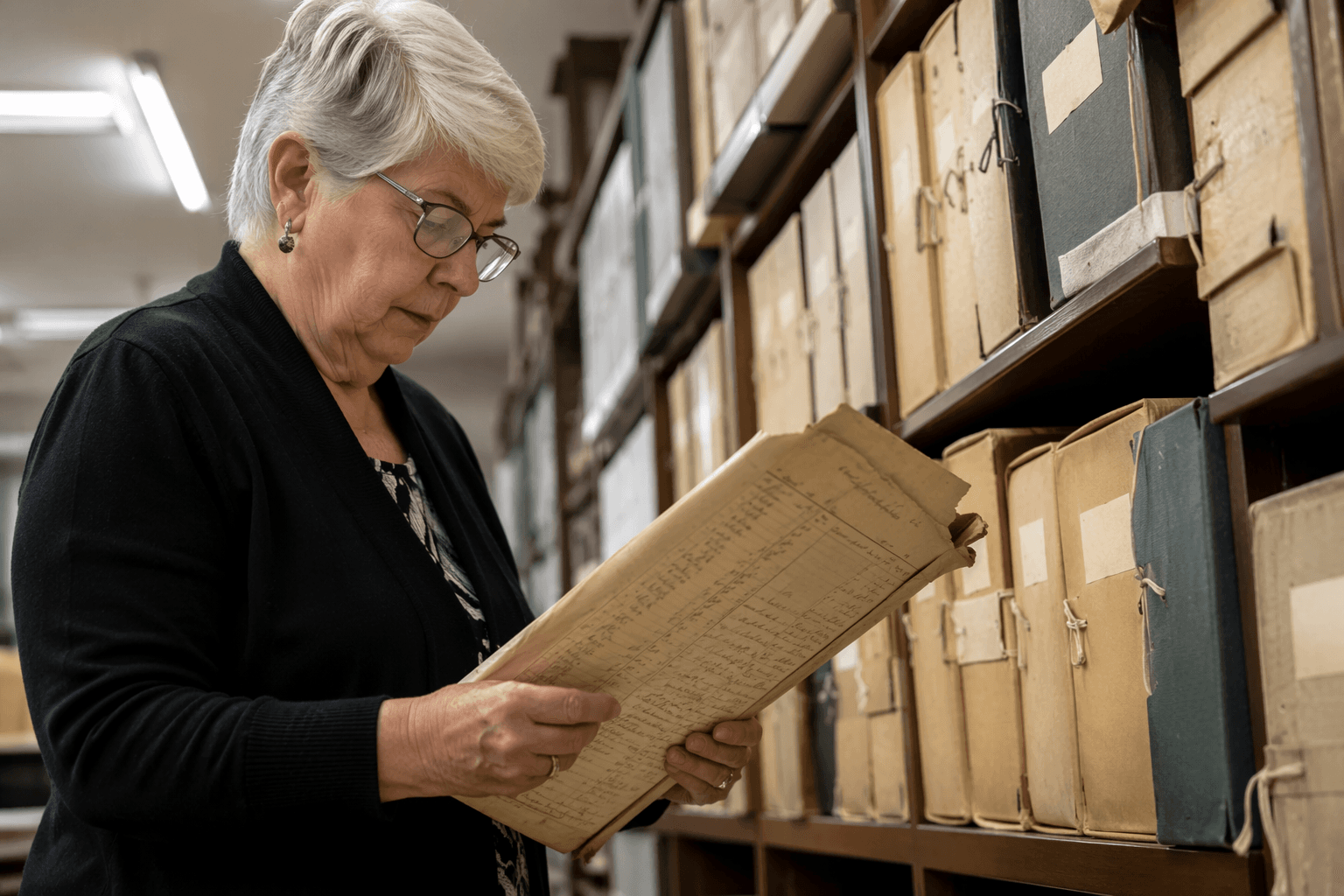
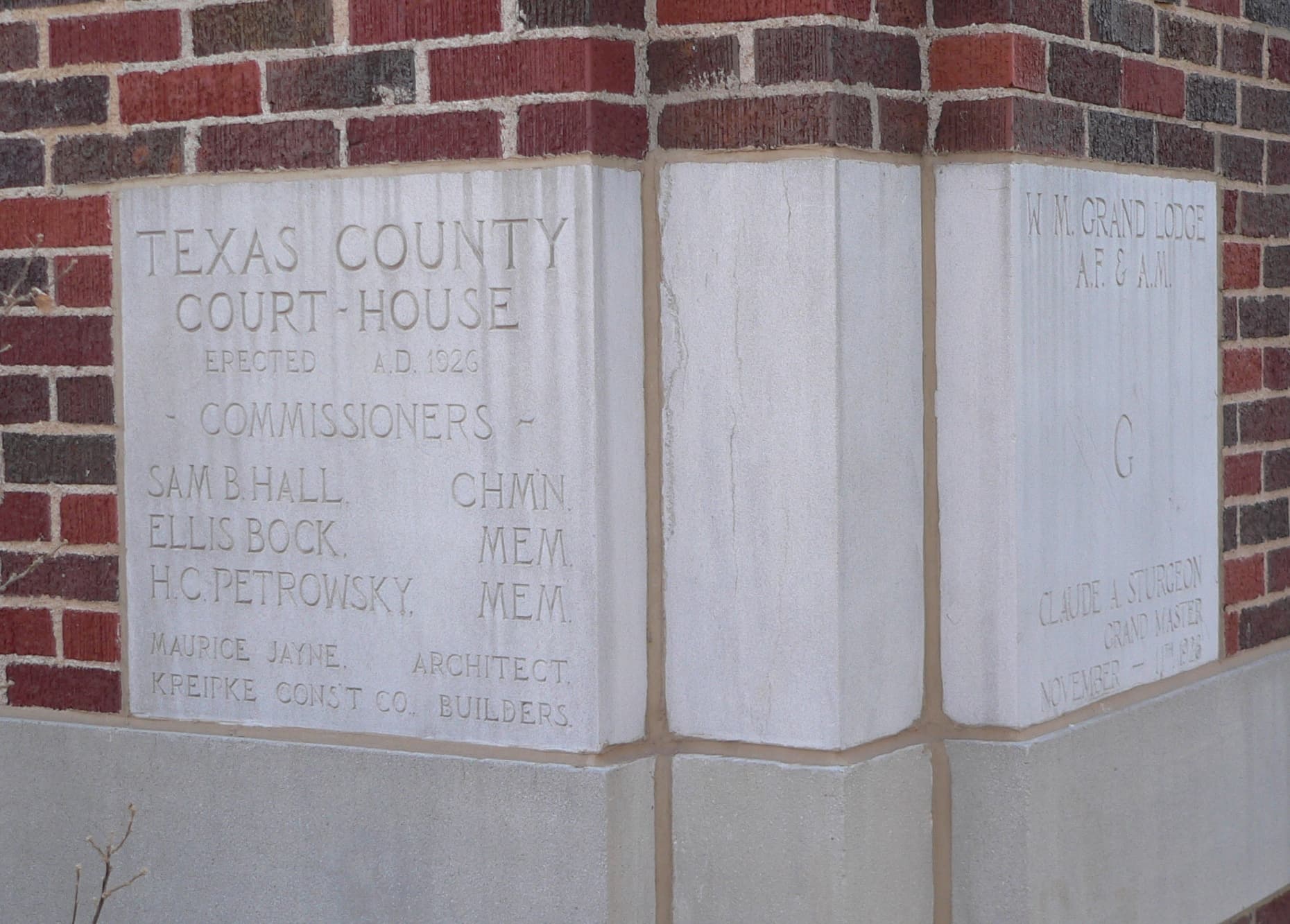
Texas County’s courthouse records begin in 1907, the year Oklahoma created the county from Beaver County at statehood. Those records cover the marriage, divorce, probate, civil, and land files that matter most for genealogy. With Guymon as the county seat, and with towns, ghost towns, cemeteries, and museum collections all clustered into one research route, the county offers a clear path for anyone trying to connect a surname to a place.
Start with the courthouse, not the family story
The most efficient place to begin is the Texas County courthouse record trail. The county clerk holds land records, while the court clerk’s books cover marriage, divorce, probate, and civil matters. A single name can show up in more than one file type: a marriage record can identify a spouse, a probate case can name heirs, and a deed can tie the family to a specific parcel.
Texas County’s history makes that search especially useful. The county was carved out of Beaver County, once part of the Public Land Strip, and Oklahoma land ownership in the Panhandle became possible only after the first official survey in the 1890s. Some family lines can be traced from pre-statehood land use into post-statehood deeds, with courthouse records showing when land changed hands after Oklahoma became a state on November 16, 1907.
Use the county map to move from town to township
Texas County is large enough to complicate a search but organized enough to guide it. It is the state’s second largest county, with 2,048.82 square miles of land and water area, and it borders Kansas to the north and Texas to the south. Guymon has been the county seat since 1907, but the county’s settlement pattern also includes Goodwell, Hardesty, Hooker, Optima, Texhoma, and Tyrone, along with ghost towns that once held their own communities.
Those vanished places can be as useful as the surviving towns. A family may have lived in one place, married in another, and later appear in probate or land records under a neighboring town or township line. A county map helps connect those dots before the courthouse search starts to feel random.
Cemeteries can solve the gaps that deeds leave behind
When records go silent, cemetery work often fills the gap. Cemetery books, birth, death, and marriage indexes, plus family and county histories give researchers a second route when courthouse files alone do not answer the question. Texas County plat-map records add another layer by identifying named cemetery plats such as Goodwell Cemetery, Guymon Cemetery, Baker Cemetery, Barden Cemetery, Bethel Cemetery and Church Lots, and Hartville Cemetery.
In a county where families moved between farmsteads, small towns, and now-vanished settlements, cemetery plats add a geographic layer. A cemetery marker can confirm a surname, a family plot can show relationships, and a plat map can place that burial ground in the same geographic frame as a homestead or townsite.

Goodwell’s museum adds context that records cannot
The No Man’s Land Museum in Goodwell belongs on the route too. It has American Indian artifacts and serves as an interpretive stop for the wider Panhandle story.
A deed or probate file may show where a family lived, but a museum visit can help explain why communities formed where they did, why rail or road routes mattered, and why some settlements survived while others disappeared.
Widen the search beyond the courthouse
The Oklahoma Historical Society’s archives broaden the trail beyond Texas County itself. They include material related to birth, death, marriage, military service, settlers, and land, which helps connect a local search to state-level holdings. Ok2Explore is searchable for births more than 20 years ago and deaths more than five years ago, giving family researchers a practical way to confirm dates before or after a courthouse visit.
A birth index can identify a child who later appears in a marriage record in another county. A death index can explain why a probate file opens when it does. Military and settler records can also point to families whose roots stretch beyond one courthouse.
Make the county’s history part of the search, not just the backdrop
Guymon has anchored county government since 1907, and the county’s town list includes both living communities and ghost towns that still matter to descendants. The first official survey in the 1890s opened the door to land ownership, and the county’s plat maps, cemetery sites, and courthouse holdings preserve the paper trail that followed.
Texas County land records are published county-clerk records on OKCountyRecords.com, with revenue from printed copies going directly back to support Texas County.
This article was produced by Prism’s automated news system from verified source data, official records, and press releases, then run through automated quality and moderation checks before publishing. The system is built and supervised by the people who set the standards it runs under. Read our full AI policy.
Did this article answer your question?