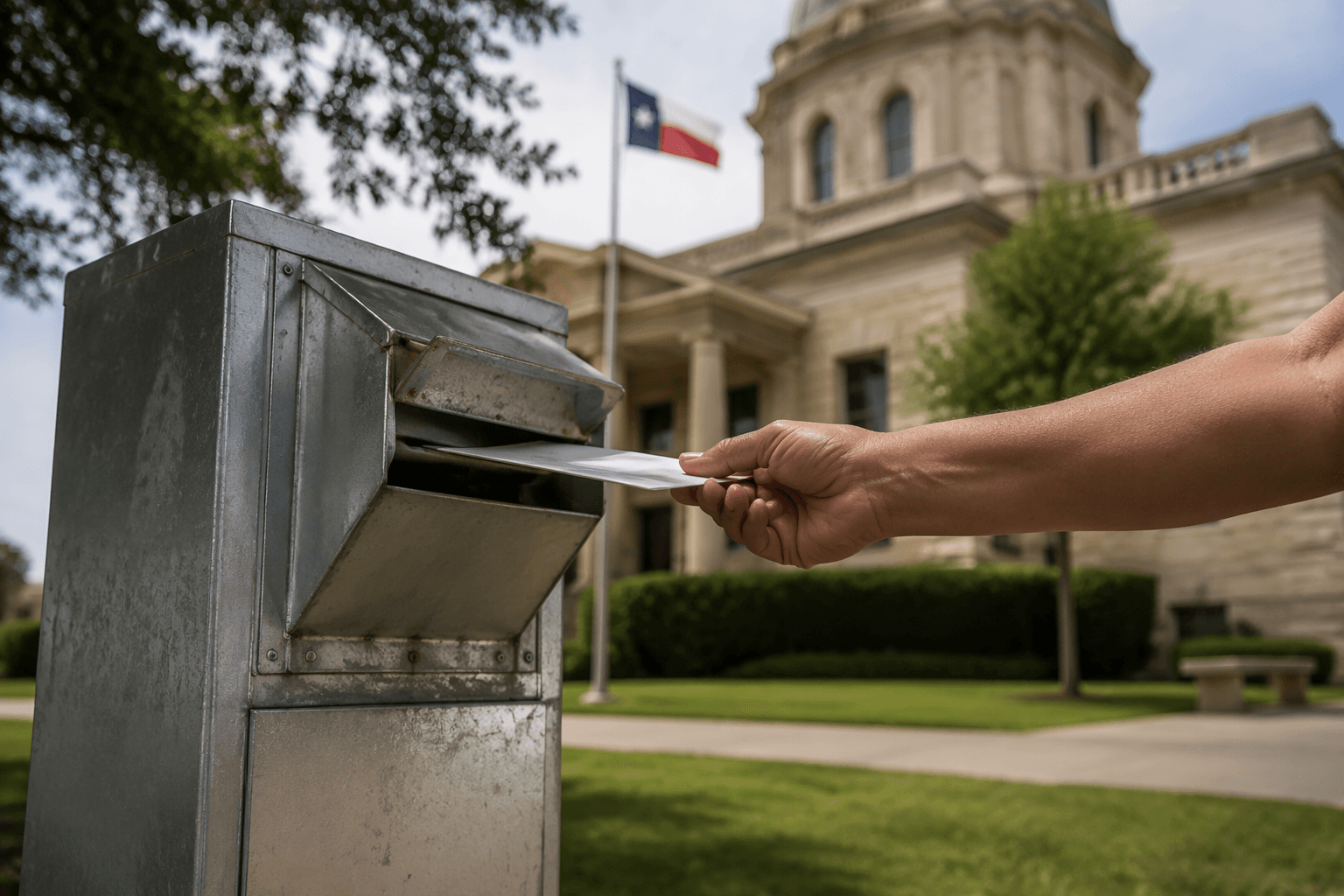
Texas County property taxes explained: assessor records, treasurer collects
Texas County splits property taxes between two offices: the assessor keeps the records and exemptions straight, and the treasurer collects the bill. Knowing which office handles what can help homeowners fix errors before penalties stack up.
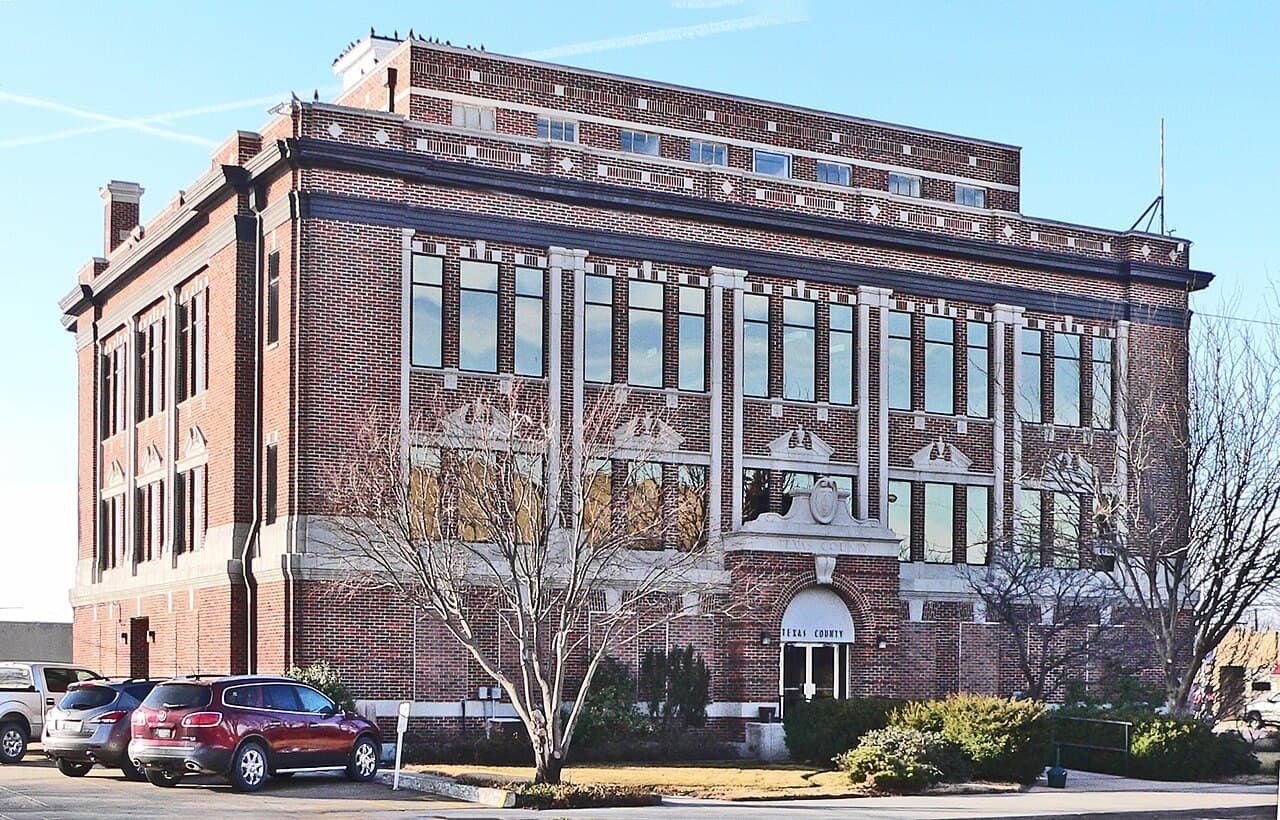
At the county courthouse in Guymon, Texas County property taxes start with the assessor and end with the treasurer. A wrong name, a missed exemption, or a parcel error usually begins in the records office, while payment questions and delinquency problems run through the collection side.
How the county divides the job
Texas County’s official structure is simple: the assessor identifies and tracks property, and the treasurer collects the money. In practice, one office keeps the county’s property records current, while the other receives payments and handles what happens when a bill is not paid on time. If a tax bill looks off, the fix often starts with the office that created the underlying record.
What the assessor actually does
The Texas County Assessor is Judyth Campbell, with Collete Martin as first deputy. The office performs visual inspections of properties on an Oklahoma Tax Commission four-year schedule, maintains current ownership records for all real property in the county, and keeps a parcel mapping system for all property in the county. It also takes applications for homestead, veterans, and low-income double exemptions.
If a bill changed after a sale, an inheritance, a new split parcel, or a missing exemption, the assessor’s records are the first place to check. The office is the county’s recordkeeper for real property, linking the land, the owner, and the parcel map that determines how the county sees the property.
Why exemptions and records matter to your bill
Texas County accepts applications for homestead, veterans, and low-income double exemptions, and each one can affect the amount a property owner owes. If an exemption is missing from the record, the bill may arrive higher than expected even when the property itself has not changed.
A map error can lead to confusion about acreage, split lots, or ownership boundaries, especially for farms, ranch properties, and commercial parcels that do not fit a simple suburban lot pattern. If the parcel information or ownership name is wrong, the assessor is the office that should review it.
Where the treasurer takes over
The collection side belongs to Texas County Treasurer Aimee Midkiff, with Tina Henton as first deputy. Once the bill is issued, this is the office that receives payment and manages the county’s collection process. The county also provides online payment options.
Texas County’s official treasurer page lists card payments through its online system with a service fee of 2.95% or a minimum of $1.95. A separate Texas County treasurer payment page lists different online options: eCheck payments cost $1.50, debit cards cost 1.95% of liability, and credit cards cost 2.75% of liability. The cost can vary by method.
What happens when taxes go delinquent
The county’s online payment information warns that delinquent taxes require the full amount plus penalties. Once a bill moves into delinquent status, paying only part of it does not solve the problem. The treasurer’s office is the place to confirm what remains due and whether penalties have already been added.
If a bill has not been paid by the deadline and the account has rolled into delinquency, the bill is no longer just the original tax amount. It is the original amount, plus penalties, and the county’s payment system requires that full balance to be paid.
How Oklahoma’s tax system fits around the county
Texas County’s process sits inside Oklahoma’s broader ad valorem framework. Oklahoma uses a fractional assessment system, and county excise boards are part of the budget process in many counties.
The assessor maintains the property record and the treasurer collects the payment, but county budgets and levy rates also shape the final tax picture. Valuation, assessment, and budgeting all feed into the outcome.
What the local numbers show
Ownwell reports the county’s median effective property tax rate at 0.65%, with a median home value of $124,800 and a median annual property tax bill of $742.
The fastest way to verify a bill
If a Texas County property tax bill looks wrong, the path is direct. Check the assessor first for ownership, parcel mapping, and exemption questions. Check the treasurer for payment status, online fees, and any delinquent balance that includes penalties.
This article was produced by Prism’s automated news system from verified source data, official records, and press releases, then run through automated quality and moderation checks before publishing. The system is built and supervised by the people who set the standards it runs under. Read our full AI policy.
Did this article answer your question?