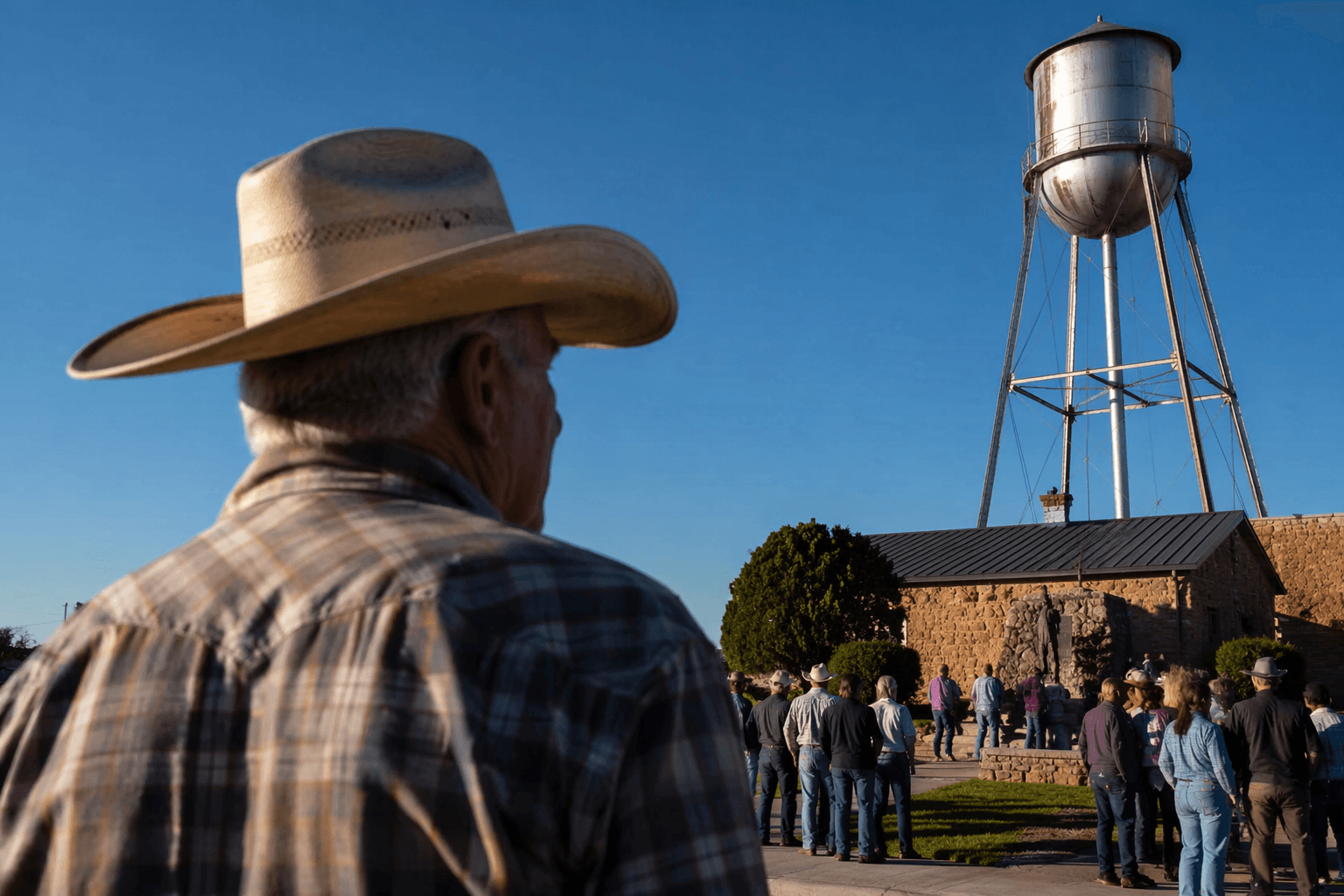
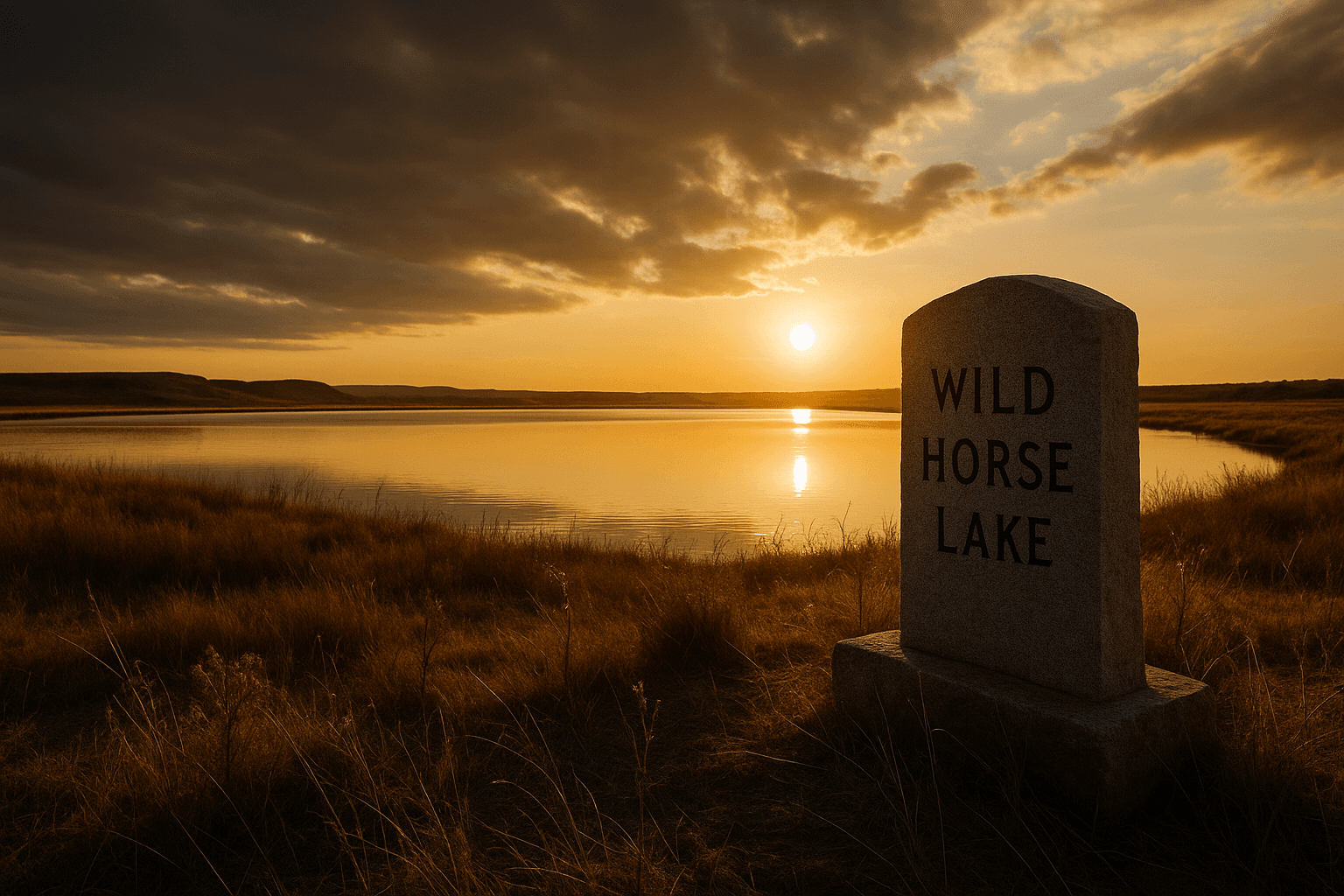
Wild Horse Lake, site of 1888 killings, informs water policy
Wild Horse Lake in Texas County is an isolated playa lake notable for its connection to the July 1888 Hay Meadow Massacre and for shaping Oklahoma water rights through later litigation. The site matters to local residents because it ties frontier era conflict and modern legal precedent to ongoing questions about water use, land access, and rural economic opportunity in the Panhandle.
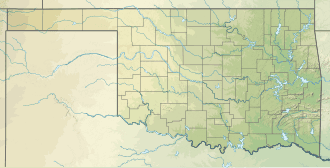
Wild Horse Lake sits in Texas County in the Oklahoma Panhandle, west of Hooker and just south of the Oklahoma Kansas border. The shallow playa lake is best known historically as the location tied to the July 1888 Hay Meadow Massacre, an episode in county seat disputes in which four people were killed. Because the killings took place in the unsettled No Man's Land area, jurisdictional questions complicated the legal aftermath and have become part of the site story for residents and historians alike.
Beyond the violent episode, Wild Horse Lake has a second layer of significance in Oklahoma jurisprudence. The lake has appeared in water rights and appropriation litigation, most notably Depuy v. Hoeme, 1980 OK 26, making the site important not only for local memory but also for legal precedent about playa lakes and water use in the Panhandle. That litigation underscores the way small, ephemeral water bodies can become focal points for contested uses in a semi arid region where agricultural productivity depends on careful water management.
For Texas County residents the lake is both a cultural asset and a practical challenge. The site is rural and remote, reached by unpaved roads with limited services nearby, which constrains visitation and any straightforward economic development such as heritage tourism. At the same time the history and legal resonance of the lake present an opportunity for modest local initiatives that link historical interpretation with broader conversations about water policy and land stewardship in the Panhandle.
From a policy perspective Wild Horse Lake exemplifies two persistent local issues. First, legal clarity about surface water and appropriation remains important for farmers, ranchers, and landowners who rely on seasonal and shallow water bodies. The presence of a state court opinion tied to the site highlights how case law can influence allocation and usage norms. Second, infrastructure limits restrict the ability to leverage historical sites for economic diversification, suggesting a role for county or state investment if leaders wish to expand tourism related to frontier era history.
Wild Horse Lake thus stands at the intersection of memory, law, and natural resource management. For residents concerned about water security and rural economic trends the site is a reminder that small geographic features can have outsized effects on local policy and community identity. Visitors should plan for rough roads and minimal services while exploring this link between the Panhandle past and its legal and economic present.
This article was produced by Prism’s automated news system from verified source data, official records, and press releases, then run through automated quality and moderation checks before publishing. The system is built and supervised by the people who set the standards it runs under. Read our full AI policy.
Did this article answer your question?