Bobby Levy backs congressional term limits in Oregon push
Bobby Levy’s term-limit pledge puts an Eastern Oregon lawmaker on the front line of a national reform drive, even as the path to changing Congress remains steep.
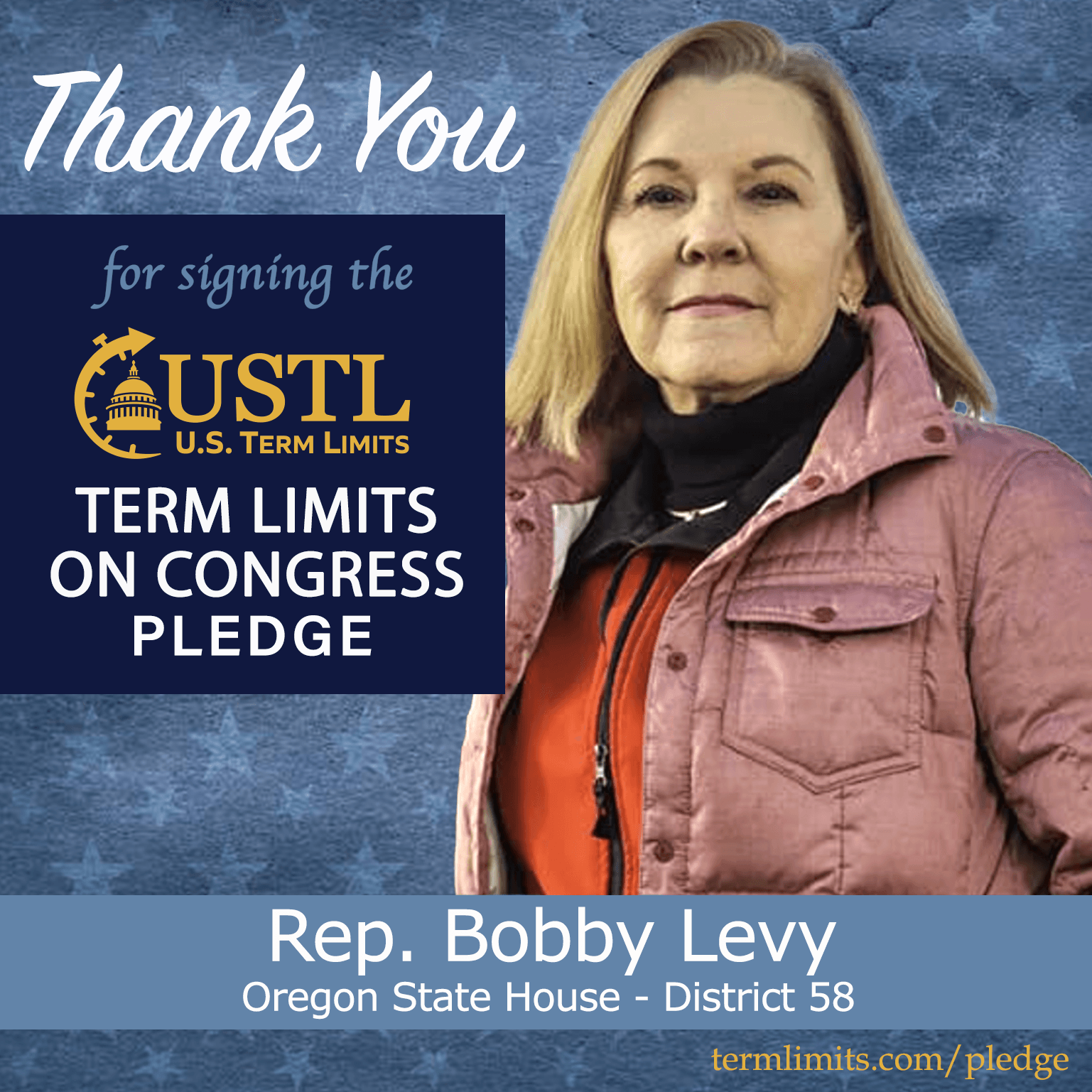
Bobby Levy, the Republican state representative from Echo who represents Oregon House District 58, has signed on to support congressional term limits, placing a Union County-area lawmaker inside a long-running push to cap how long federal legislators can stay in Washington, D.C. The move gives the idea a local face in Eastern Oregon, where Levy has built her political identity around being rooted in the district and on her ranch.
For voters in Union County, the pledge lands as both a reform message and a test of political consistency. Levy was first sworn into office on January 11, 2021, her current House term runs through January 11, 2027, and Ballotpedia listed her on the Republican primary ballot on May 19, 2026. That makes term limits a natural talking point for a lawmaker who can frame herself as an outsider to entrenched power, while also inviting scrutiny over how a term-limits message fits with a career in elected office.
The legal road is far more complicated than the politics. Congressional term-limit proposals date to 1789, according to the Congressional Research Service, but the U.S. Supreme Court ruled in 1995 that states cannot impose extra qualifications on members of Congress beyond what the Constitution allows. Oregon voters approved Measure 3 in 1992 during the early-1990s term-limit wave, but that state effort was later undercut by the court’s decision, which is why any binding federal term-limit system would need a constitutional amendment rather than a state-only rule.

Public opinion is not the obstacle. Pew Research Center found in September 2023 that 87% of U.S. adults favored limiting the number of terms members of Congress can serve, including 56% who strongly favored it and 12% who opposed it. That kind of backing helps explain why the issue continues to surface in state capitols and on campaign literature even when Congress shows little appetite to act.
U.S. Term Limits, the group driving much of the current push, says it wants lawmakers and candidates to sign a pledge backing a resolution for two six-year Senate terms and three two-year House terms. The organization says 34 state legislatures would be needed to call a convention for an amendment, and any amendment would still need ratification by 38 states. That is a high bar, which leaves Levy’s support politically symbolic for now, but still meaningful in a region where residents often want their representatives to show they are willing to challenge the institution, not just seek a seat in it.
This article was produced by Prism’s automated news system from verified source data, official records, and press releases, then run through automated quality and moderation checks before publishing. The system is built and supervised by the people who set the standards it runs under. Read our full AI policy.
Did this article answer your question?