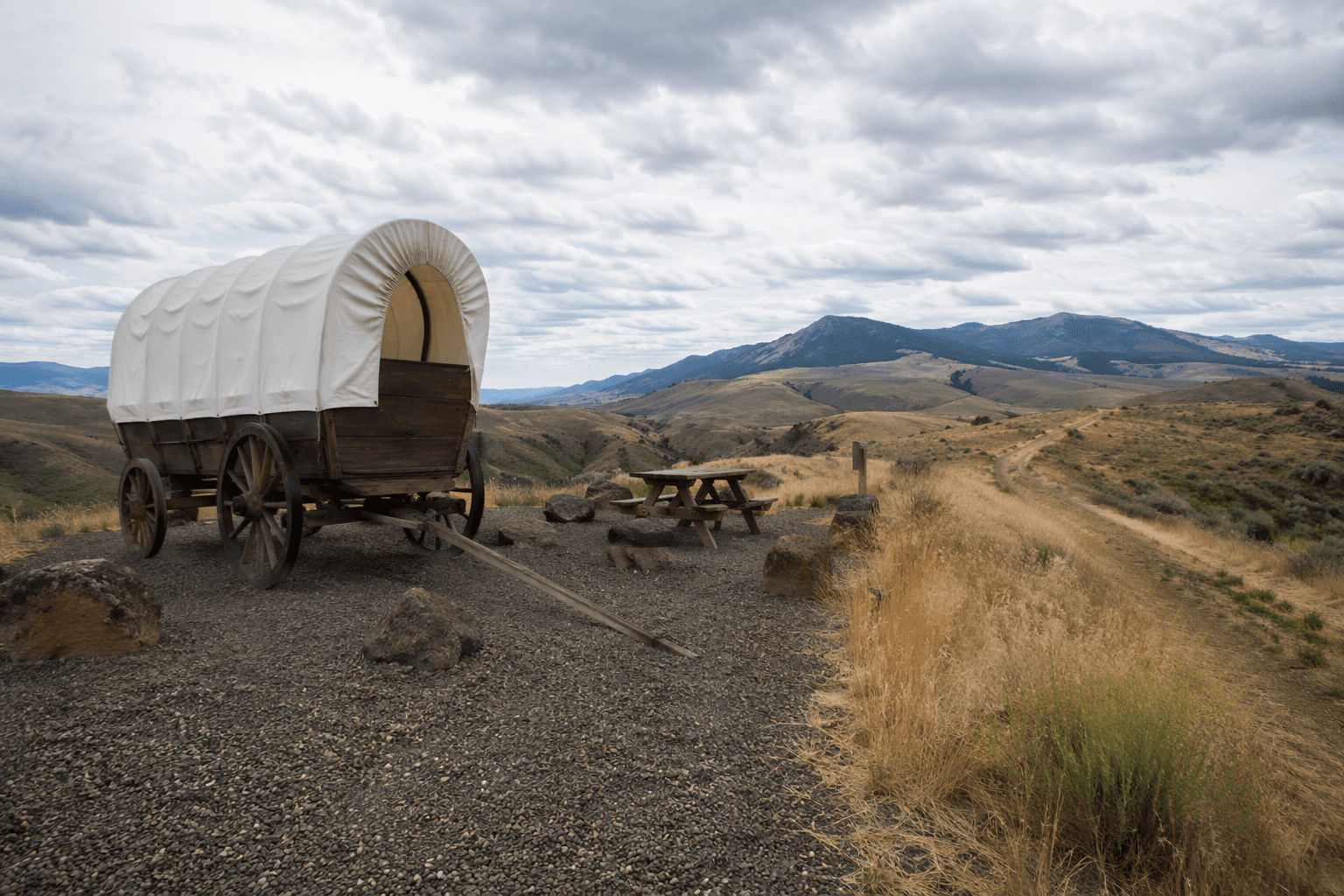
Catherine Creek and Nearby Emigrant Springs Offer Camping, Trails, History
Catherine Creek between La Grande and Union offers creekside, first-come camping and trout fishing; Emigrant Springs, 15 miles southeast of Pendleton on I‑84, adds year‑round cabins, hookups and an Oregon Trail center.

Cradled in separate corners of Eastern Oregon, these two state parks serve different visitor needs: Catherine Creek delivers a summer-season, canyon-side experience for day users and walk-up campers, while Emigrant Springs provides year‑round services, historic interpretation and overnight accommodations for I‑84 travelers and heritage visitors.
1. Catherine Creek State Park
Catherine Creek State Park sits “tucked in a canyon along Catherine Creek between La Grande and Union,” offering shaded campsites under ponderosa pines and creek‑side trails that make it a compact regional draw for Union County residents and nearby towns. “Tranquil, crystal-clear waters and towering ponderosa pines frame the landscape at Catherine Creek State Park,” and the campground is “cradled in a canyon created by the creek,” a profile that explains why visitors come for short stays, picnics and day trips.
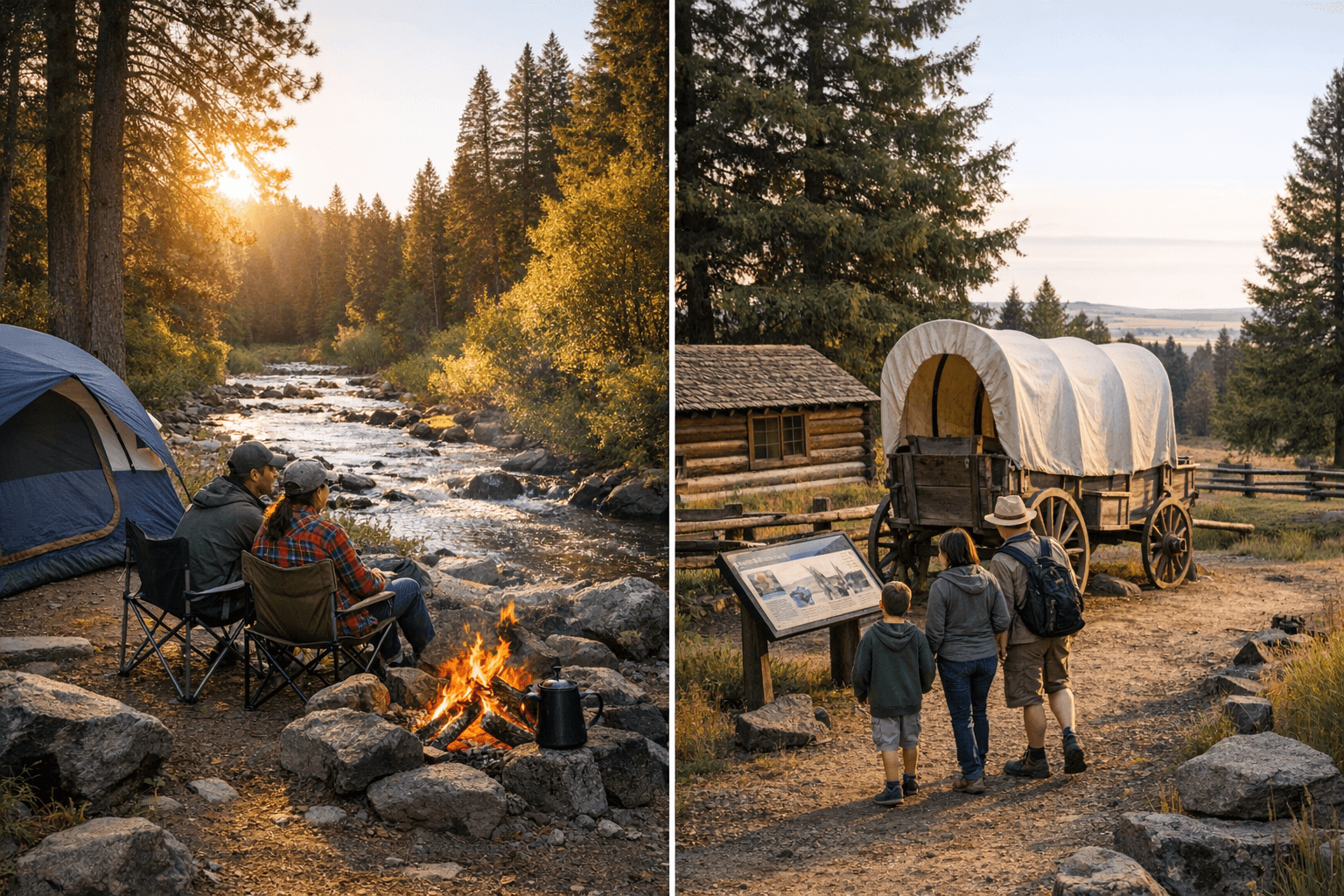
The park’s recreational mix emphasizes low‑impact, local activities: anglers can “Camp next to Catherine Creek and enjoy the thrill of landing a rainbow trout, or simply cool your heels in its icy waters,” while families can use picnic areas, play horseshoes, or “take a leisurely hike along the trail between the campground and picnic area for views of picturesque canyon scenery.” Those amenities, creek fishing, a short scenic trail, two picnic areas and a small, shady campground, position Catherine Creek as a high‑value, low‑throughput site that feeds nearby retail and food service spending in La Grande and Union when visitors seek groceries, meals or equipment.
Important operating rules and seasonality affect planning: the park “is a popular first‑come, first‑served campground and day‑use area” and State Parks states explicitly, “This park is currently a first come first serve campground. You must be physically at the park to get an empty site. At this time, you can't reserve sites for camping.” Catherine Creek Campground is closed for camping from October 6th to May 1st; the park “is open for day use throughout the year. However, the restrooms will remain closed until the campground opens.” Those dates mean overnight visitor traffic (and the local spending that comes with it) is concentrated in the spring–summer shoulder and peak season, and that restroom availability is tied to the campground schedule.
- Accessibility: Travel Oregon lists “Universal access, One campsite accessible for campers with disabilities,” which matters for visitors requiring accessible facilities.
- Picnic logistics: Two reservable picnic areas exist; when not reserved they are first‑come, first‑served, which supports midweek or last‑minute group use.
- Maps and planning: “Access key maps for this location, created and maintained by Oregon Parks & Recreation Department staff for the public,” so use official park maps for trail and parking details.
- Contact: the park page displays a text contact number: “Please text us at 1-503-855-6583.” Use that number for quick operational inquiries, though reservation capability is explicitly unavailable.
Practical features and on‑site logistics:
Policy and local implications: the first‑come, first‑served policy concentrates arrival timing (early mornings on summer weekends) and creates a visitor queue externality that can push some campers into Union or La Grande lodging and services if sites are full. ReserveAmerica branding appears on the broader reservation platform, but the State Parks copy reconciles that branding with Catherine Creek’s current non‑reservable status, an operational distinction worth noting when modeling seasonal occupancy or estimating local tourism revenues.
Nearby attractions and how Catherine Creek fits the regional offer: the park acts as a gateway to Union County Museum in Union, the Oregon Trail Interpretive Center near Baker City, Eagle Creek fishing, Hells Canyon National Recreation Area and the Wallowa‑Whitman National Forest. The towns of Union and La Grande “offer visitors full-service shopping, restaurants, community events and emergency services,” so most visitors combine a stop at Catherine Creek with broader regional itineraries.
2. Emigrant Springs State Heritage Area
Emigrant Springs State Heritage Area sits “in central Umatilla County, Oregon, approximately 15 mi (24 km) southeast of Pendleton,” positioned in old‑growth forest “near the summit of the Blue Mountains along Interstate 84.” That roadside, high‑elevation siting makes the park functionally different from Catherine Creek: it serves as both a heritage destination and a year‑round lodging node for interstate travelers and heritage tourists.
Historical assets anchor the site: the park “was the location of a well‑used campsite by emigrants along the Oregon Trail in the middle 19th century” and “contains an Oregon Trail interpretative center.” The center stands “next to a marker commemorating the visit by President Warren G. Harding in 1923, who had come to Eastern Oregon to commemorate the Oregon Trail,” which is a notable named‑person share‑hook for stories and social media, and a tangible tie to national memory that helps drive interpretive programming and visitor interest.
Facilities and programming that affect visitor demand: according to the site description, “The park is open year‑round and provides a modern campground with hook‑ups. The park also has cabins available for rent.” During summer months the park “features historical recreations of trail life in the 1850s,” a programming element that converts day visitors into multi‑hour stays and supports family tourism. Year‑round hook‑ups and rentable cabins diversify the park’s revenue base and stabilize occupancy through shoulder seasons, unlike Catherine Creek’s explicitly seasonal campground, so Emigrant Springs likely contributes steadier demand to businesses in Pendleton and along I‑84.
- Cabins and hookups: the presence of cabins and a “modern campground with hook‑ups” signals suitability for towable RVs and guests seeking turnkey stays; confirm hookup types and rates with park staff prior to travel.
- Interpretive programming: summer historical recreations of 1850s trail life expand the park’s appeal to school groups and heritage tourists; check seasonal schedules if planning around reenactments.
- Location advantage: at roughly 15 miles from Pendleton, the park is close enough for day trips into the city but remote enough to offer a forested, high‑summit experience for travelers on I‑84.
On‑site UX notes and reservation considerations:
Operational accuracy and verification: Emigrant Springs material in the available notes comes from an aggregated listing; before publishing or planning a trip, verify cabin availability, hookup specifics, reservation methods and interpretive center hours with Oregon Parks & Recreation Department or the official park page. The park’s year‑round operational profile suggests it functions differently from Catherine Creek in how it supports regional overnight stays and I‑84 corridor traffic.
Economic and policy context for Union County and the region Both parks provide distinct contributions to the local visitor economy. Catherine Creek’s summer‑focused, walk‑up model concentrates demand during the camping season and funnels day‑use spending to La Grande and Union; Emigrant Springs’s year‑round cabins and hookups smooth occupancy across seasons and attract longer‑distance travelers on I‑84. The presence of ReserveAmerica‑branded UI across Oregon park pages indicates a system‑level move toward centralized booking, but Catherine Creek’s current first‑come policy is a reminder that centralized platforms do not always reflect local operational constraints. For planners and local businesses, those distinctions matter when forecasting visitor nights, payroll needs and seasonal revenue.
- If you need an overnight site at Catherine Creek, arrive early in summer months, campsites are first‑come, first‑served and “you must be physically at the park to get an empty site.”
- Note Catherine Creek’s off‑season camping dates: “Catherine Creek Campground is closed for camping from October 6th to May 1st,” and restrooms remain closed until reopening.
- For Emigrant Springs, confirm cabin inventory, hookup types and reenactment schedules; the park “is open year‑round and provides a modern campground with hook‑ups” and “has cabins available for rent.”
- Use official park maps maintained by Oregon Parks & Recreation Department for parking and trail navigation, and for Catherine Creek you can use the displayed contact option: “Please text us at 1-503-855-6583.”
Final practical checklist before you go
Taken together, Catherine Creek and Emigrant Springs offer Union County and Eastern Oregon residents complementary outdoor options: a creek‑walled canyon for summer creek fishing and picnic gatherings, and a Blue‑Mountains heritage site that preserves Oregon Trail memory while providing year‑round lodging. Differences in reservation policy, seasonality and facilities are operational facts that shape visitor behavior, and by extension, how local economies in La Grande, Union and Pendleton capture tourism dollars. Verify current reservation and seasonal details with Oregon Parks & Recreation Department before finalizing plans, because these operational rules determine both visitor experience and the timing of visitor spending in the region.
This article was produced by Prism’s automated news system from verified source data, official records, and press releases, then run through automated quality and moderation checks before publishing. The system is built and supervised by the people who set the standards it runs under. Read our full AI policy.
Did this article answer your question?