Cottonwood Crossing Summer Institute blends field science, storytelling, college credit
Union County teens can earn 2 college credits in six days at Cottonwood Canyon, but the May 15 deadline and $350 fee make early planning essential.
Cottonwood Crossing Summer Institute gives Union County students something many rural teens rarely get: a week of college-level field work, a real research setting, and a transcripted credit before they finish high school. The catch is timing. Applications are open now, the deadline is May 15, and the June 14-19 session fills quickly.
What the institute offers
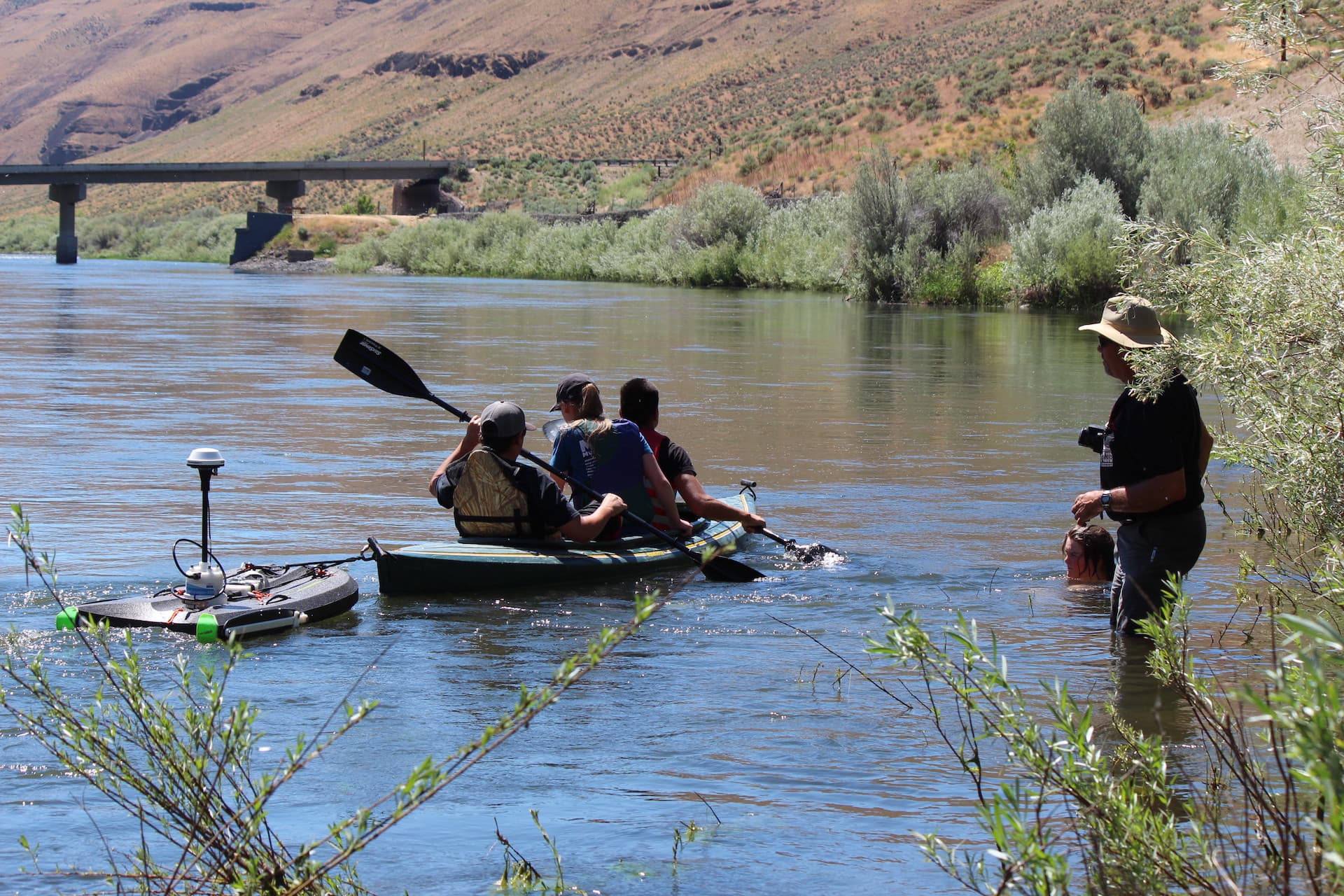
The Cottonwood Crossing Summer Institute is a week-long residential field studies program for students in grades 9-12, built around science, storytelling, and early college credit. Eastern Oregon University says the 2026 session takes place at Cottonwood Canyon State Park along the John Day River, where students are pushed beyond classroom listening and into direct observation, data collection, and creative explanation.
That mix matters in Union County, where distance can limit access to summer enrichment, lab experience, and college exposure. For a student in La Grande or anywhere else in the county, this is not just another camp. It is a chance to spend a full week learning in a setting that looks and feels like postsecondary study, while still in high school.
Who can participate and what it costs
EOU lists the institute for students who have completed grades 9 through 12. For 2026, the program runs June 14-19 and awards 2 early-college credits. The listed cost is $350, plus a $25 application fee, for a minimum upfront total of $375 before travel and any personal spending.
Scholarships and financial assistance are available, which is important for rural families trying to weigh gas, time off work, and the cost of sending a teen away for a residential program. The application deadline is May 15, 2026, or until filled, so families who wait too long could miss the chance altogether.
Because the institute is residential, transportation planning is part of the decision. Students need to get to Cottonwood Canyon State Park for the start of the week and be picked up when it ends, rather than commuting daily. The park sits along Highway 206 between Wasco and Condon, so the trip is a real eastern Oregon drive, not a quick local drop-off.
What students actually do in the field
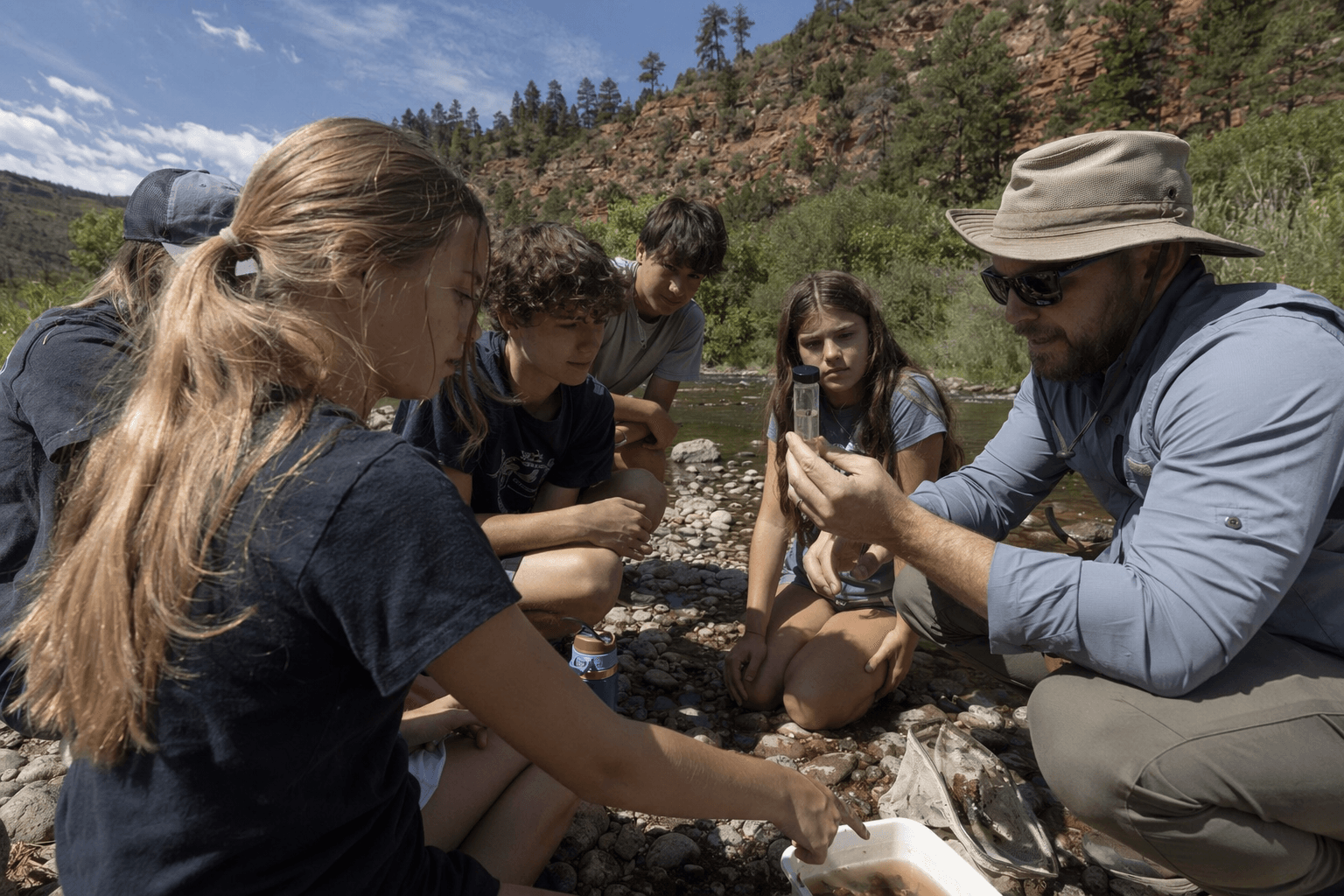
The institute is designed to be hands-on from the start. Students do stream surveys, identify macroinvertebrates, and study plant ecosystems in the field, which gives them a concrete look at how scientists gather information and draw conclusions from living landscapes. They are not just hearing about ecology, they are working inside it.
The program also includes visual storytelling. Students use photography and narrative to document what they see and explain why it matters, which adds a communication layer to the science. That combination can be especially valuable for teens who are curious about natural resources, journalism, environmental studies, education, or any career where observation and explanation go hand in hand.
Eric Carlson, the CCSI coordinator, says the program is built around curiosity and helps students learn how to think, question, and explore instead of simply memorizing facts. That philosophy gives the institute its strongest educational edge: students are treated like young investigators, not passive attendees.
Why the setting matters
Cottonwood Canyon State Park is not a generic backdrop. Oregon State Parks describes it as an 8,000-plus-acre landscape with vertical cliffs, deep side canyons, and arid grasslands along the John Day River. That kind of terrain makes the park a natural classroom for ecology, geology, botany, and place-based storytelling.
For Union County students, that setting also broadens the idea of what college can look like. Learning does not happen only in a lecture hall. Here, it happens beside the river, on the trail, and in the conversations that follow a stream survey or a plant ID. That is the kind of experience that can stick with a teenager long after summer ends.
How the partnership widens access
The Rural Engagement and Vitality Center is promoting the program as part of a larger effort to expand opportunity for rural students. The REV Center is a joint venture of Eastern Oregon University and Wallowa Resources, and EOU identifies itself as Oregon’s Rural University. That mission is not cosmetic. It is the reason programs like this exist in places where students often have fewer built-in college connections.
EOU says the projects are led by EOU faculty, EOU Capstone students, and other regional professionals. That gives participants direct contact with people already working in higher education and applied fields, which can lower the intimidation factor that keeps some rural teens from imagining college as a real option.
The partnership reach also matters beyond La Grande. In previous years, EOU described summer institutes as a way for high school students to keep learning through the summer while earning college credit. A 2024 CCSI session ran June 16-21, and Mountaineer Magazine reported that 24 high school students helped develop a state park in just six days. EOU students and faculty joined Oregon State Parks and Arlington High School teachers to lead curriculum tracks in botany, biology, creative writing, solar engineering, and exercise physiology.
That earlier example is a useful benchmark for families trying to picture the outcome. A teen can come home with more than memories. They can return with a transcripted college credit, a field notebook, a photo-and-story project, and a clearer sense of whether a science or communication path feels right.
A small detail that matters for families
One wrinkle worth checking before applying is the course list. EOU’s main CCSI page says students can choose from four course options, while its Early College Initiatives page describes five. The best move is to look closely at the current application materials before deciding which track fits best.
Even with that small discrepancy, the bigger picture is clear. Cottonwood Crossing Summer Institute is built for students who are ready to do real work in a real place, earn college credit, and see themselves differently by the end of the week. For rural families in Union County, that kind of exposure can be the difference between college feeling distant and college feeling possible.
This article was produced by Prism’s automated news system from verified source data, official records, and press releases, then run through automated quality and moderation checks before publishing. The system is built and supervised by the people who set the standards it runs under. Read our full AI policy.
Know something we missed? Have a correction or additional information?
Submit a Tip