Eastern Oregon University nearly lost during World War II, history feature says
Eastern Oregon University almost emptied out in World War II, but the same military pressures that threatened it also left a lasting imprint on La Grande.
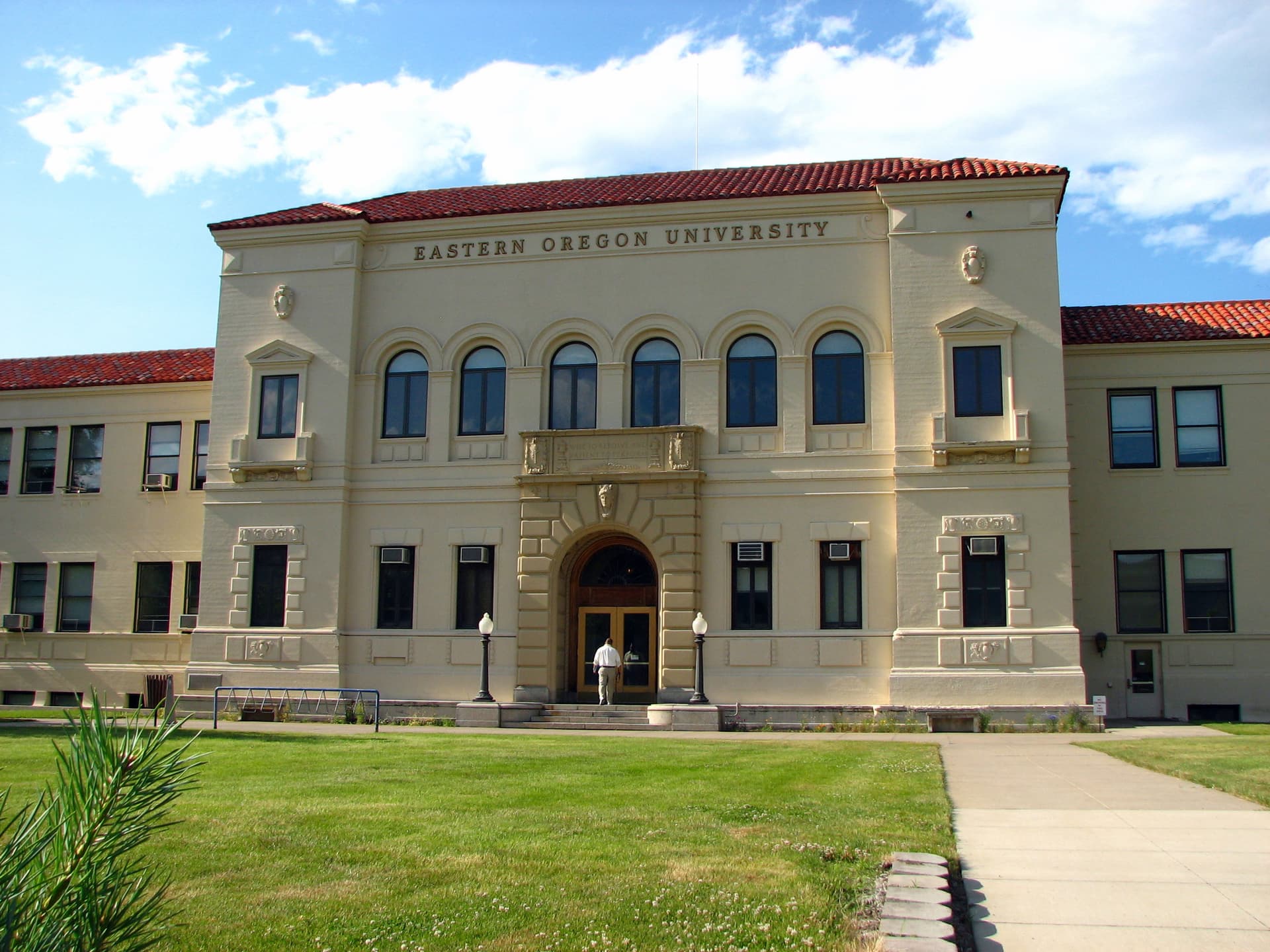
Eastern Oregon University’s military past is not tucked away in a dusty archive. It sits in plain sight on campus, in wartime photographs, in graduation traditions, and in the way the university still serves veterans and active-duty families across Union County. The story begins with a near miss: during World War II, Eastern Oregon College of Education came close to closing altogether, even as the campus was being pulled into the war effort.
A campus that nearly disappeared
When the war began, Eastern Oregon College of Education had 348 students. A year later, enrollment had fallen to fewer than 250 after nearly all of the school’s male students left to join the military. That kind of drop was severe enough that state leaders discussed whether the school should close.
The numbers matter because they show how quickly a small regional college could be destabilized by a national crisis. EOU opened in 1929 as Eastern Oregon Normal School and graduated its first class in 1930 with 88 seniors. By the time World War II hit, the school was still young and vulnerable, which made the enrollment collapse more than a temporary setback. It was a direct threat to the institution’s survival.
How wartime service became part of the university
EOU traces its military connection to 1940, when the campus was used to train pilots for World War II. The university’s ROTC history says the 354th Army Gold Club began that same year, tying military instruction to the school’s identity before the war was fully underway.
The archives make that period visible. EOU’s digital collections include 1940s images of aviation students doing daily calisthenics on campus in front of the administration building. Those photographs show the campus not as a passive backdrop but as an active training ground, where routine student life and military preparation overlapped.
The wartime program did more than fill classrooms. In April 1943, then-president Roben Maaske secured an Army Air Corps training station at Eastern. The cadets belonged to the Army Air Corps 354th Cadet Training Detachment, and the program brought the school $250,000 over 12 months. For a campus under pressure and a local economy shaped by wartime uncertainty, that money helped turn survival into service.
The local places that still carry the memory
The cadets were based at the old Sacajawea Hotel and in a residence hall on campus. Each weekday, they marched in formation from the hotel to class, turning downtown La Grande and the campus corridor into part of the same military landscape. They studied English, physics, history, geography and civil air regulations, and they logged 10 hours of flying time at the La Grande airport.
Those details make the history local in a way that broad national accounts never can. The war was not only something that happened overseas or in Washington, D.C. It reached the hotel on the corner, the airport on the edge of town, and the routes cadets took through La Grande each morning. In that sense, EOU’s wartime role became part of Union County’s civic memory as much as its academic history.
From the 1940s to today’s military programs
The military thread never disappeared. EOU says its ROTC program later became a commissioning source in 1991 and transitioned to ROTC in 2009. Today, ROTC students are commissioned as officers during the university’s spring graduation ceremonies, a visible reminder that the campus still treats military service as part of its public mission.
That mission now reaches beyond ROTC. EOU’s military programs page says the university welcomes active-duty service members, veterans, guard and reserve members and military families, and helps students navigate benefits, scholarships, grants and credit for military training. The program now spans all degree programs, and students can earn a Military Science Leadership Minor.
Taken together, those details show a continuity that runs from World War II to the present. The school that once nearly lost itself to wartime manpower shortages later built a lasting structure for military students and families. For La Grande, that means the university is not only a center for classes and athletics. It is also a record of how a small Oregon campus adapted to war, preserved itself and turned service into part of its institutional DNA.
Why this history still matters in Union County
Union County’s memory is shaped by institutions that have stayed put long enough to gather layers of meaning. EOU is one of them. Its history ties together the first graduating class of 88 seniors, the wartime enrollment collapse, the Army Air Corps cadets marching through town and the modern ROTC students commissioned at spring commencement.
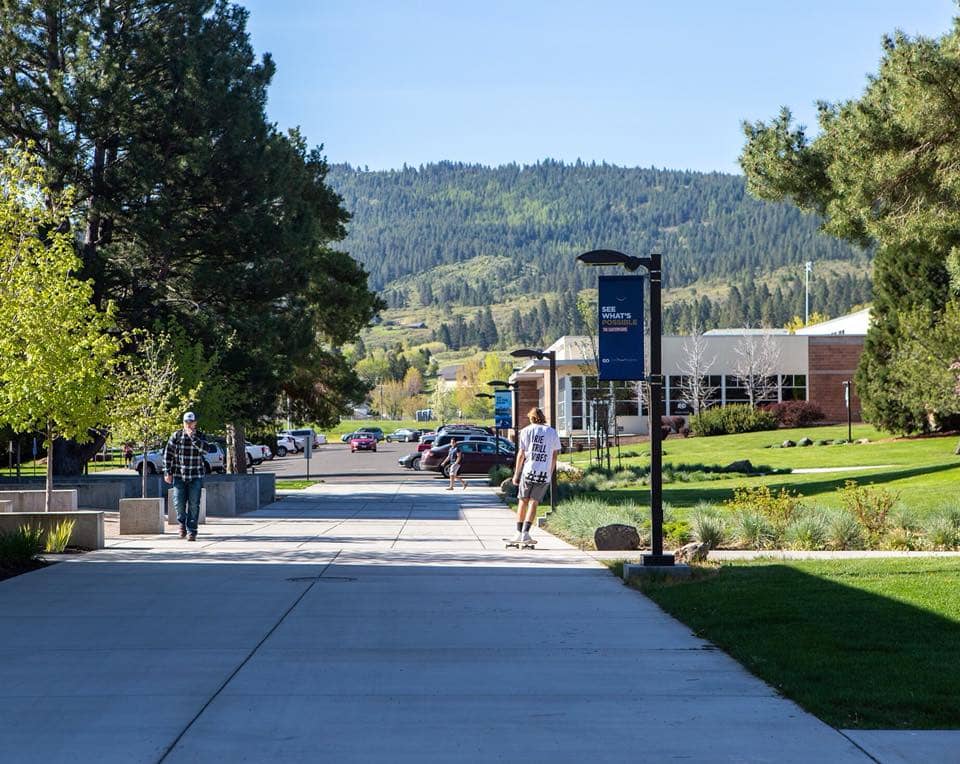
That continuity matters now because it explains why the university still carries such weight in La Grande. EOU has long presented itself as a regional institution committed to rural Oregon, and its military history reinforces that role. The campus landmarks, archive images and veteran-facing programs show a university shaped by service as much as by coursework.
For Union County, the lesson is straightforward: EOU did not just endure World War II. It was altered by it, helped by it and, in important ways, remade by it. That is why the story still belongs at the center of the county’s civic memory.
This article was produced by Prism’s automated news system from verified source data, official records, and press releases, then run through automated quality and moderation checks before publishing. The system is built and supervised by the people who set the standards it runs under. Read our full AI policy.
Did this article answer your question?