Elgin Opera House, Built in 1912, Remains a Union County Cultural Gem
Built in 1912 for just $15,000, the Elgin Opera House still draws performers and audiences to this small Union County town more than a century later.
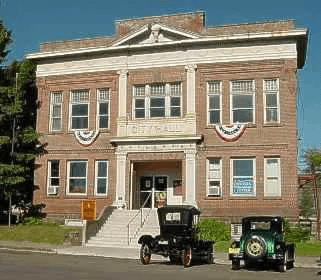
A small town in the Blue Mountains foothills is home to one of eastern Oregon's most enduring cultural institutions. The Elgin Opera House, completed and dedicated in 1912, has stood at the center of civic and artistic life in Elgin, Union County for more than a century, surviving the passage of time with its original rococo interior largely intact and its stage still active.
A Civic Project With Colorful Origins
The Opera House did not come about through purely artistic ambition. According to a historical account of the building, city leaders in 1911 moved to construct a new city hall at least in part "to sever the close proximity of a house of ill repute." Whatever the municipal motives, the project they launched would serve a dual function from the outset: housing city government offices on one side of the ledger and a performing arts center on the other. That combination of pragmatic civic purpose and cultural aspiration would define the building's identity for generations.
Architect John L. Slater of La Grande designed the structure as a two-story colonial revival brick building on a stone foundation. The contract for construction went to John Oberg of Wallowa, who completed the building at a cost of $15,000. Even by early twentieth-century standards for a small Oregon town, the design carried real architectural ambition: a decorative metal cornice crowns the facade, and pilasters flank the main entrance, lending the building a formality that still distinguishes it on Elgin's main street.
What Made It Exceptional at Dedication
When the Opera House opened in 1912, it drew immediate praise. Contemporary accounts noted that "at its dedication, the Opera House was lauded as one of the finest because of its sharp acoustics and slanted seating arrangement." Those two features, the calibrated rake of the seating and the acoustical properties of the brick interior, reflected deliberate design choices rather than happy accidents.
The original interior went well beyond functional. The building was outfitted with plush draperies, box seats, an orchestra pit, elaborate backdrops, and a rococo decor that signaled this was not a utilitarian hall but a genuine theater. For audiences in rural Union County at the turn of the twentieth century, the Opera House offered an experience that rivaled what larger cities could provide.
A Landmark Preserved
The building's architectural character and its role in local history eventually earned it recognition on the National Register of Historic Buildings, a designation described by the Opera House itself as a natural outcome: "The architectural beauty and historic background of the building made it a natural addition to the National Register of Historic Buildings."
That preservation status has been matched by active restoration work. The Opera House has been newly renovated and, according to building records, continues to feature its original motif. The renovation preserved rather than replaced the historic character of the interior, keeping the ornamental details that made the building exceptional at its opening more than 110 years ago.
The Friends of the Opera House
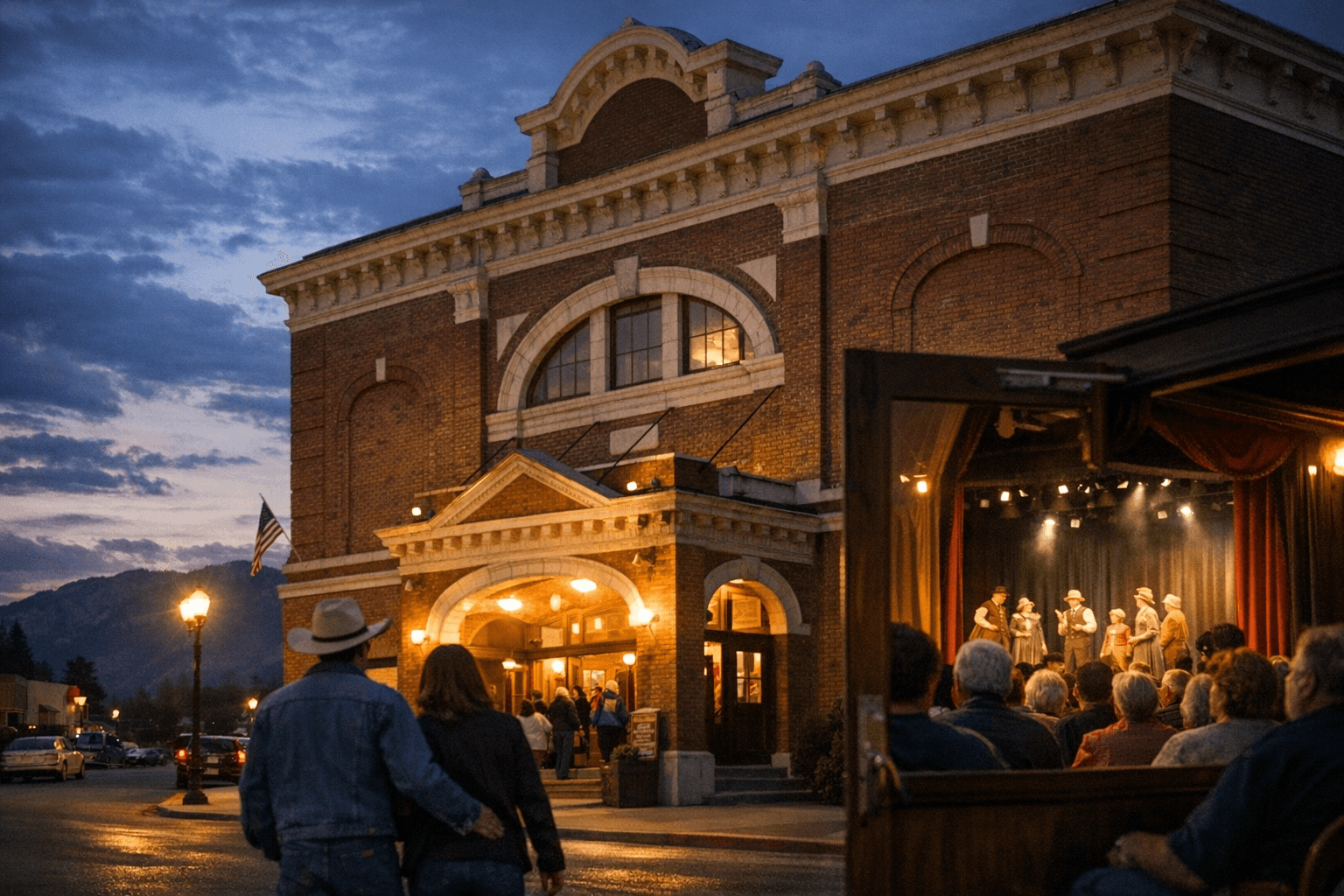
The building's continued vitality owes much to the performing arts organization that calls it home. The Friends of the Opera House, described as a highly acclaimed performing arts group, serves as the resident company and primary steward of the venue's programming. Their presence ensures that the Opera House functions as a working theater rather than a preserved relic, maintaining the live performance tradition that has been part of the building's purpose since 1912.
What's Happening on Stage
The Opera House Theater operates as an active, year-round venue. Community events fill the calendar regularly, and the programming mix extends beyond live performance: the Opera House Theater screens films, and noted performers are scheduled throughout the year. That range reflects the building's historic dual identity, simultaneously a gathering place for the Elgin community and a destination for audiences drawn by specific acts and productions.
For a town of Elgin's size, the breadth of activity at the Opera House is notable. The building functions as the cultural anchor of the community, offering residents access to film, live music, theater, and civic events under one roof that has been serving that purpose since Woodrow Wilson was in his first term.
Visiting the Elgin Opera House
The Opera House sits in the town of Elgin, located in Union County in northeastern Oregon, roughly 30 miles north of La Grande. The building's exterior, with its brick facade, stone foundation, metal cornice, and flanking pilasters, is visible from the street and reflects the colonial revival design that John L. Slater brought to the project more than a century ago.
For current event schedules, film screenings, and programming details, prospective visitors should contact the Friends of the Opera House directly or check current listings through the Opera House Theater. Programming changes seasonally, and the mix of community events, films, and visiting performers means there is typically something on the calendar for a range of interests.
The Elgin Opera House is more than a historic building. It is one of those rare civic structures that has kept its original promise across more than a century: a place where, as the building's own history puts it, "performers and patrons of the arts find a home in Elgin, Oregon.
This article was produced by Prism’s automated news system from verified source data, official records, and press releases, then run through automated quality and moderation checks before publishing. The system is built and supervised by the people who set the standards it runs under. Read our full AI policy.
Did this article answer your question?