Explore Mount Emily Recreation Area, La Grande's Outdoor Gem Two Miles Away
Just two miles from downtown La Grande, MERA packs 3,669 acres of trails, wildlife, and sweeping views of the Eagle Cap Wilderness into one community-built recreation area.
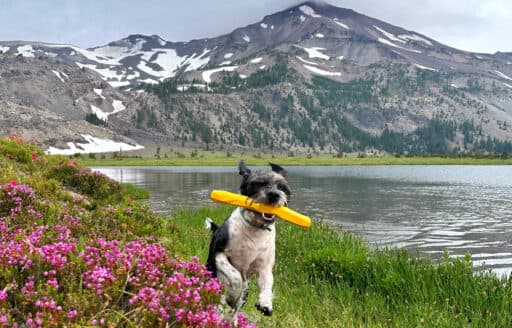
Just two miles from downtown La Grande, Mount Emily Recreation Area delivers something rare: nearly 4,000 acres of forest, rangeland, and mountain terrain that a community fought to keep public. The views from the flanks of Mount Emily alone justify the short drive, taking in the full sweep of the Grande Ronde Valley and the snow-capped peaks of the Eagle Cap Wilderness in the Wallowa Mountains. "Whatever your mode of transportation," Travel Oregon notes, "the views of the Grande Ronde Valley and the Eagle Cap Wilderness from the flanks of Mount Emily are breathtaking."
That proximity to La Grande is no accident of geography. MERA sits at the edge of a college town that Oregon Parks Forever describes as "nestled between the majestic Blue and Wallowa Mountain ranges" midway between Pendleton and Baker City, a town with "vibrant food, art, and outdoors scenes" worth a stop in its own right. For anyone traveling through Union County on Highway 30 or Interstate 84, the recreation area is essentially at the edge of town.
A Community Purchase That Created a Public Treasure
MERA did not simply exist as public land. The Mt Emily Recreation Coalition, described as "a group of motorized and non-motorized users," took the lead role in working with Union County to find funding to purchase the Mount Emily Recreation Area in 2009. That coalition-driven effort ensured the land remained accessible to the full spectrum of outdoor users rather than passing into private hands.
Management of the forest has since been guided by the MERA Forest Management Plan 2012, prepared by the Blue Mountain Chapter Oregon Society of American Foresters. The plan centers on the growth and harvest of trees while holding a broader goal: "to improve and enhance the health and dynamics of the plant and wildlife communities throughout." Improving and maintaining forest health, the plan notes, is important for all the resource uses planned for the property, a balancing act between timber management and multi-use recreation that defines how MERA operates today.
Trails for Every User, Every Season
The trail network at MERA is one of its defining features. The area includes more than 45 miles of non-motorized single-track trails, and twice that mileage in motorized trails built for ATV and ORV use. That gives the area well over 90 miles of routes across terrain that ranges from gentle forest roads to steep mountain pitches.
The non-motorized single-track owes its existence largely to volunteer labor. The Blue Mtn Single-track Trails Club, working in conjunction with the Union County Parks Department, built almost all of the single-track non-motorized trails on MERA. That partnership between a volunteer trail organization and a county parks agency has produced a network that serves hikers, trail runners, mountain bikers, and equestrians across the same landscape, often on the same ridgelines.
Trail character varies considerably across the property:
- Marked trails offer both gentle routes and challenging terrain, accessible to beginners and experienced riders alike
- Motorized trails accommodate ATVs and off-road vehicles on routes through rugged mountain terrain
- Wooded paths lead to wooden bridges, crossing drainages through the timber and rangeland
- Scenic viewpoints along the ridgeline expose the full width of the Grande Ronde Valley below
MERA is open year-round for hiking, trail running, mountain biking, and equestrian use, making it a consistent destination regardless of season.
When to Go: A Season-by-Season Breakdown
The recreation area shifts character with the calendar, and understanding those changes helps visitors plan more effectively.
Trails are generally snow-free from March through November, giving the majority of the year over to dry-ground activities. Spring brings one of the area's most-photographed features: wildflowers that are typically in full bloom from April to June, lining trails with color visible against the mountain backdrop documented in photographs by Eric Valentine.
Summer and early fall represent peak season for mountain biking, hiking, trail running, and motorized use, when the full trail network is accessible and the views across the valley are sharpest. Deer, elk, black bears, and many species of birds and other wildlife inhabit MERA year-round, but the longer days of summer extend the window for wildlife observation considerably.
Winter transforms the upper reaches of the property into backcountry terrain. At mid- to high elevations, backcountry skiing and snowshoeing become the primary draws. The variety within that winter experience is notable: ski routes range from low-angled climbs and descents along double-track roads and open areas to very steep black diamond runs through glades and natural openings. Horseback riders, hikers, snowshoers, and cross-country skiers can also enjoy marked trails at lower elevations when conditions allow.
The Eagle Cap Wilderness on the Horizon
From the upper flanks of Mount Emily, the Eagle Cap Wilderness anchors the eastern skyline. Located in the Wallowa Mountains, the Wilderness represents one of the most striking visual landmarks in northeastern Oregon and serves as a reminder of the broader outdoor geography that makes Union County a destination rather than a pass-through. MERA functions as an accessible gateway into that landscape, a place where a two-mile drive from La Grande's downtown puts visitors inside nearly 4,000 acres of working forest with one of the Pacific Northwest's iconic wilderness areas filling the horizon.
Planning Your Visit
MERA's position within La Grande makes logistics straightforward. La Grande itself offers lodging, restaurants, and services befitting a college town with established food and arts scenes. The recreation area accommodates a wide range of physical ability levels, from families looking for a short hike among wildflowers to experienced ORV riders seeking technical motorized terrain, which makes it unusual among recreation areas of its size.
A few practical points worth noting before heading out:
- Trails are generally accessible for non-motorized use from March through November; plan winter backcountry routes with appropriate avalanche and cold-weather preparation at higher elevations
- Motorized and non-motorized trail networks are separate, keeping user conflicts low across the property
- Wildlife including black bears, elk, and deer are present year-round; standard wildlife awareness applies throughout all seasons
- The trail network spans timber and rangeland managed under an active forest management plan, meaning conditions and trail character can shift with ongoing land management activity
The Mt Emily Recreation Coalition's original vision, bringing together motorized and non-motorized users under a shared commitment to public land access, remains visible in how the area functions today. The Blue Mtn Single-track Trails Club's volunteer miles of trail construction and the Blue Mountain Chapter Oregon Society of American Foresters' guiding management plan represent a level of civic investment that distinguishes MERA from recreation areas built and managed at arm's length from the communities they serve. Two miles from La Grande's downtown, the investment is easy to see.
This article was produced by Prism’s automated news system from verified source data, official records, and press releases, then run through automated quality and moderation checks before publishing. The system is built and supervised by the people who set the standards it runs under. Read our full AI policy.
Did this article answer your question?