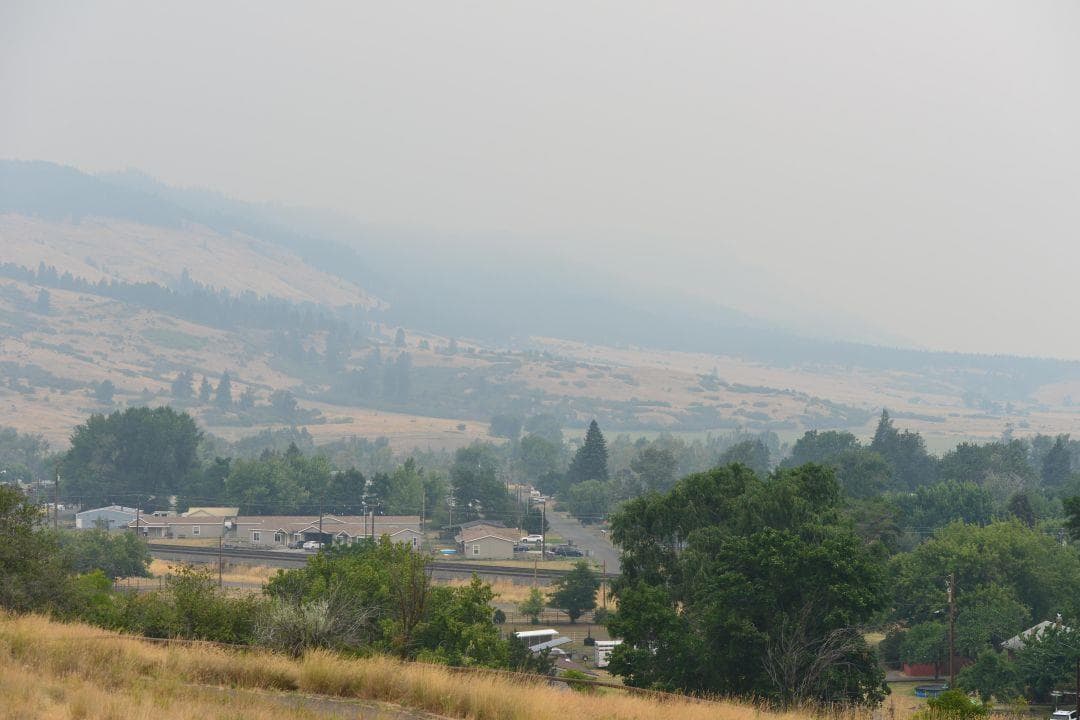
Health advisory issued for Thief Valley Reservoir after toxic bloom
Cyanotoxins above the state limit pushed Thief Valley Reservoir into a formal advisory, warning swimmers, pets and campers away from contaminated water in Baker and Union counties.

Thief Valley Reservoir was placed under a recreational use health advisory after Oregon Health Authority lab tests found cyanotoxins above the state’s recreational use value, turning an existing bloom precaution into a formal warning for visitors in Baker and Union counties. The precaution had been in place since June 12 because of a visible bloom, and the July 6 advisory added a warning for swimming, boating and family outings at the reservoir.
The biggest risk comes from swallowing contaminated water or breathing in spray, not from skin contact. People should avoid swimming and other activities that raise the chance of ingestion or inhalation in bloom-affected parts of the lake. Toxins are not absorbed through the skin, although people with skin sensitivities can develop a puffy red rash after contact with affected water.
Drinking water directly from bloom-affected areas is especially dangerous, and private treatment systems may not be effective against cyanotoxins in source water. Campers, day users and anyone relying on off-grid water setups near the reservoir should avoid drinking water from bloom-affected areas. Symptoms in people can resemble food poisoning, including stomach cramps, diarrhea, nausea and vomiting, and can progress to numbness, tingling, dizziness and shortness of breath.
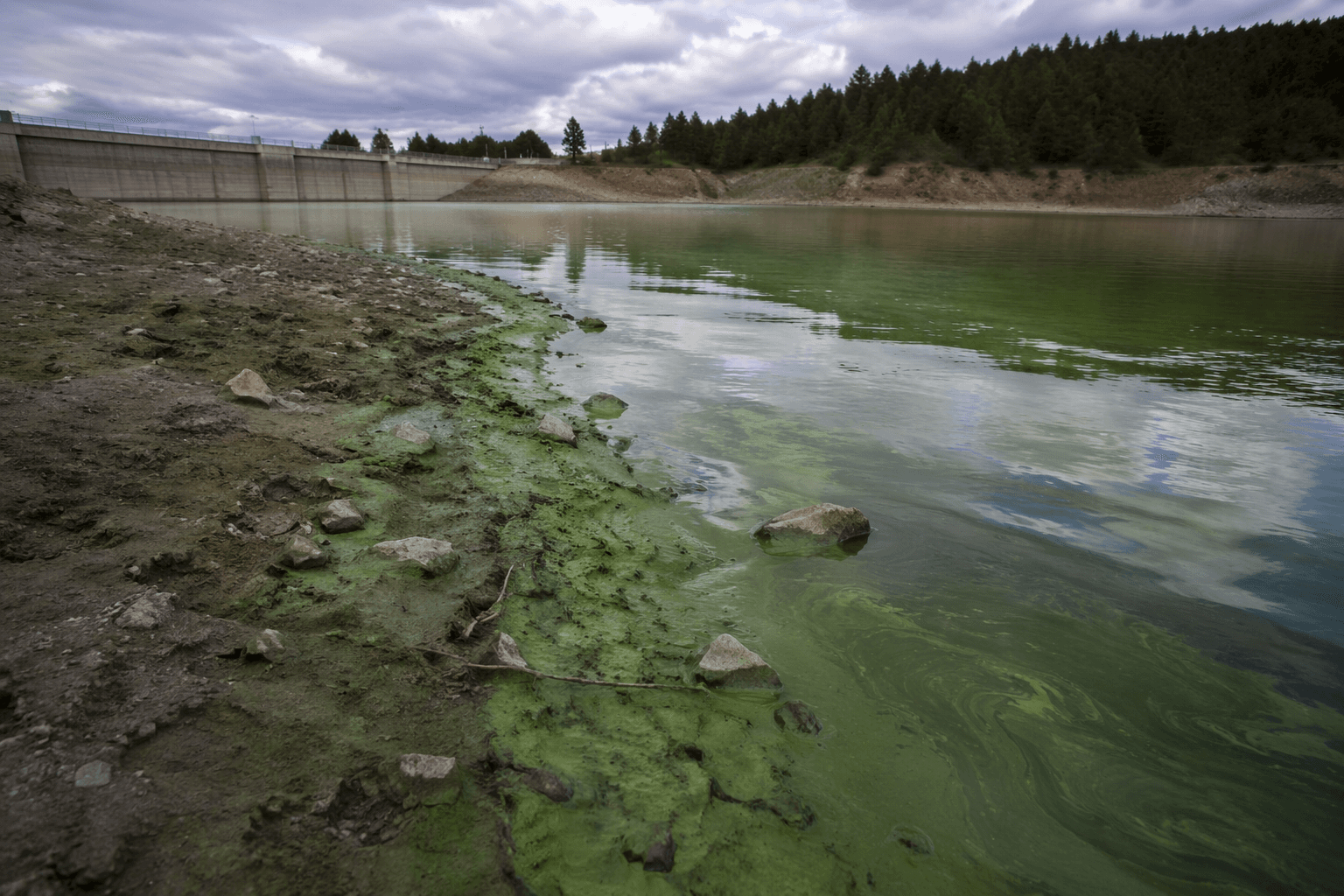
Pets face a sharper risk. Dogs can become severely ill or die within minutes to hours after exposure, with symptoms that can include difficulty walking, seizures, lethargy and loss of appetite. Keep children and animals away from water where blooms are visible and avoid any activity that could lead to a splash, gulp or spray.
Oregon’s 2026 cyanobacteria monitoring season began May 4. DEQ and local partners sample waters with heavy recreation use, a history of blooms or a visible bloom, then test the samples in a lab before deciding whether to issue an advisory. Sites are typically sampled three to four times during the season, usually from May through September, and many Oregon waterbodies are never monitored because of limited funding.
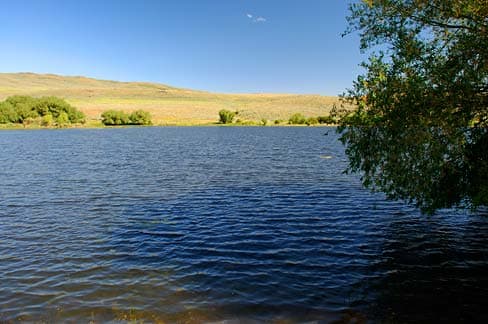
Thief Valley Reservoir has been flagged before. OHA issued an advisory for it on Aug. 20, 2025, and lifted that warning on Dec. 23, 2025, when the archive entry listed microcystin at 37.7 ug/L. Travel Oregon calls the reservoir a recreation spot in eastern Oregon’s cattle country, with scenic sage-covered hills and uses that include spring fishing and windsurfing. Behind it is Thief Valley Dam, a 390-foot-long, 73-foot-high structure with a maximum reservoir capacity of 17,600 acre-feet and a surface area of 740 acres.
This article was produced by Prism’s automated news system from verified source data, official records, and press releases, then run through automated quality and moderation checks before publishing. The system is built and supervised by the people who set the standards it runs under. Read our full AI policy.
Did this article answer your question?