La Grande asks residents to shape the city’s future for young people
La Grande put youth retention, jobs and housing on the table as it opened a roundtable on what the city should become for the next generation.
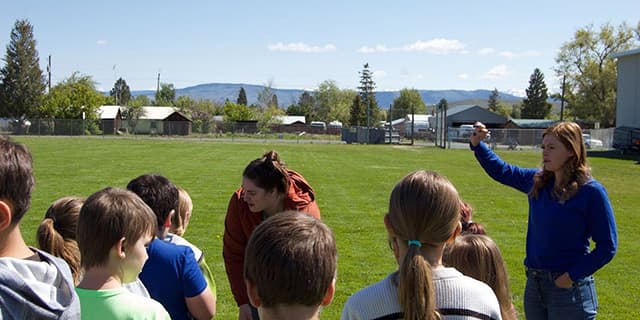
La Grande asked residents to think beyond streets and budgets and weigh a harder question: what would make the city a place where teens, young adults and young families choose to stay. The city posted its Community Roundtable, The Next Generation, on May 11, placing it alongside budget committee business, an economic development request for proposals, Pioneer Park splash pad replacement plans and summer camps registration.
The roundtable’s framing pointed toward policy, not just participation. City materials described the discussion as a conversation about what La Grande should look like for the generations that follow, with an emphasis on whether younger residents can live, work and thrive here. In a rural community like Union County, that immediately brings up workforce loss, housing affordability, childcare, schools and the question of whether students will build their lives in La Grande after graduation.
The timing mattered. La Grande’s agenda center showed a May 11, 2026 Budget Committee hearing and a second-night budget hearing on May 12, putting the roundtable in the middle of annual spending decisions. That makes the conversation more than a feel-good listening session. It arrived as city leaders were also weighing an economic development plan, suggesting the next-generation discussion could help shape actual priorities, funding requests and long-range city goals.
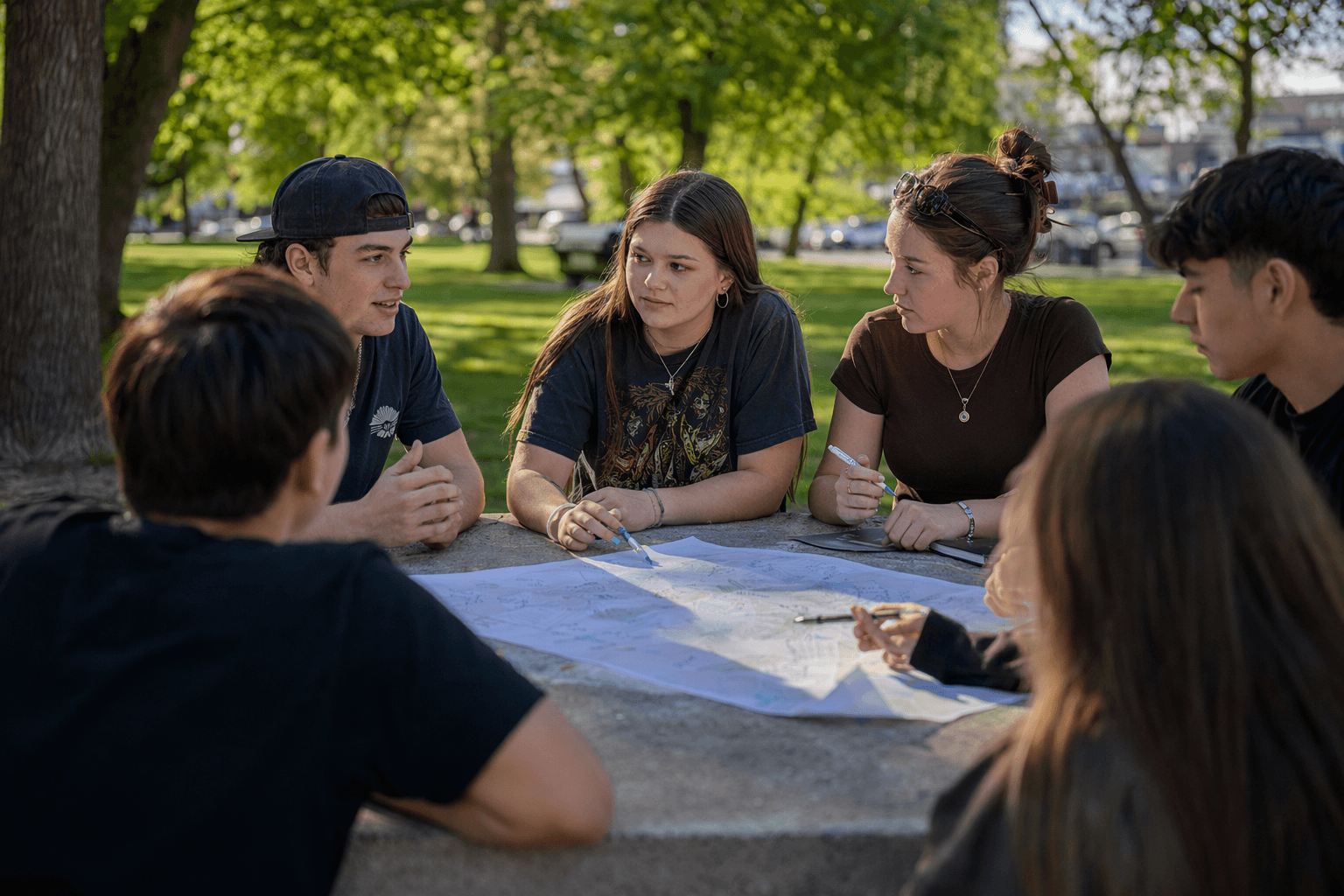
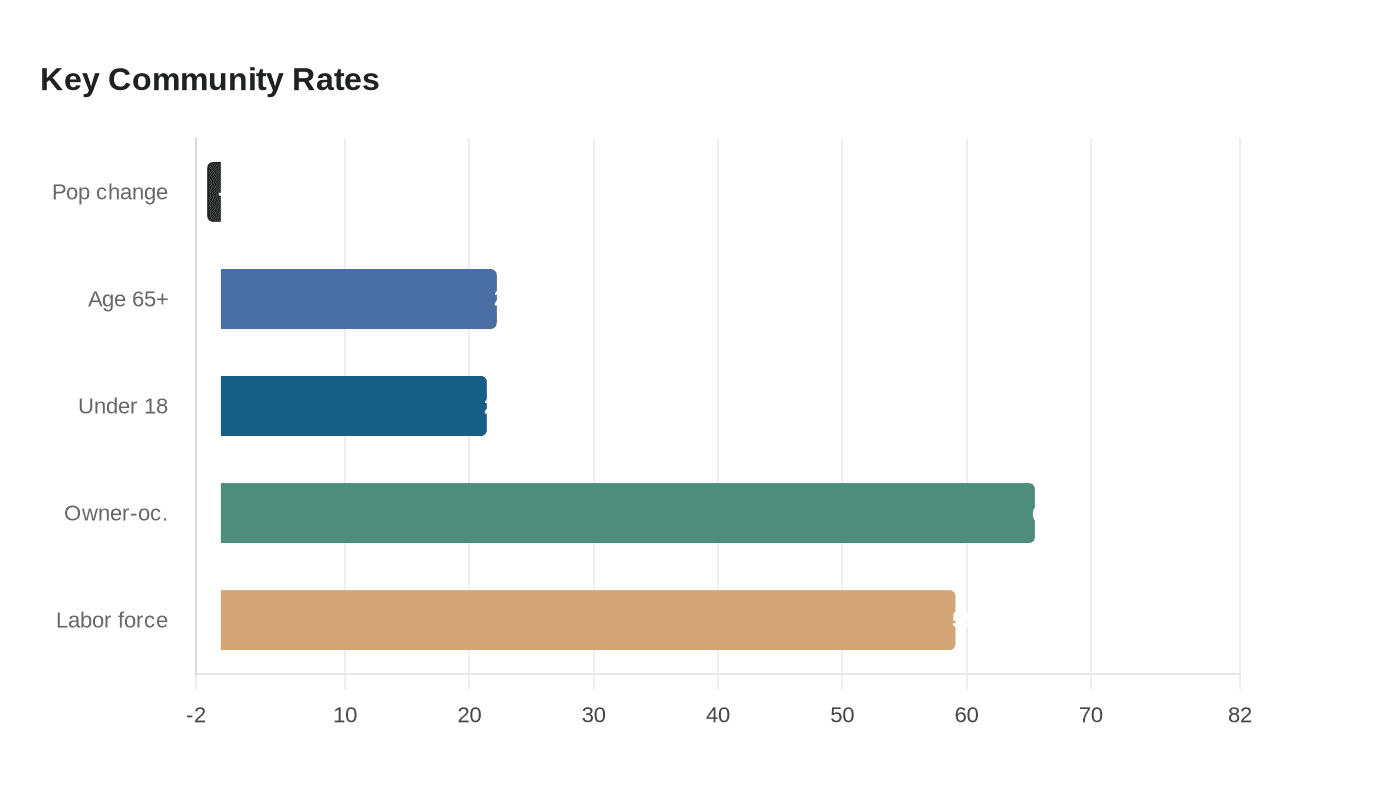
The demographics explain why the issue carries weight. Union County’s population was estimated at 25,900 in July 2025, down 1.1 percent from the April 2020 census base. About 22.2 percent of county residents were 65 or older, while 21.4 percent were under 18, a balance that underscores how much pressure falls on a smaller pool of working-age residents. La Grande itself was estimated at 13,084 people in 2026, with Census Reporter listing the city at 13,058.
Housing and the labor market add another layer. U.S. Census Bureau data for 2020-2024 put La Grande’s median gross rent at $982 and the median value of owner-occupied homes at $294,600. The city’s owner-occupied housing rate was 65.5 percent, and its labor force participation rate was 59.1 percent. Those numbers help frame the city’s challenge: keeping younger workers and families in a place where wages, rents and home prices have to line up with opportunity.
Eastern Oregon University is a central player in that equation. The university says it serves about 2,800 students, its La Grande Community Campus sits four blocks from downtown La Grande, and students ride public transit for free. EOU’s workforce and career materials also position the university as a pipeline for interns and young workers, while La Grande economic development materials describe access to a regional workforce of more than 217,000 workers across five Oregon counties and the Walla Walla and Tri-Cities metro areas. With the 2015 La Grande School District bond including $33 million for a new Career Technical Education Center, the city’s next-generation discussion landed in the middle of a broader effort to connect education, employment and downtown vitality into a future that can keep young people in town.
Know something we missed? Have a correction or additional information?
Submit a Tip