Ladd Marsh highlights Union County’s wetlands and migratory bird habitat
Ladd Marsh gives Union County a wetland identity, with spring migration, Tule Lake access and bird festivals drawing visitors, and business to La Grande.
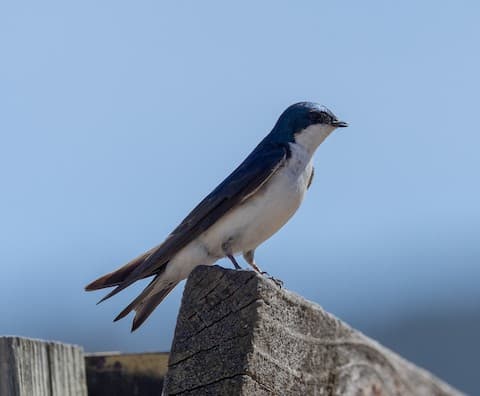
Ladd Marsh is one of the largest remaining wetlands in Northeast Oregon, giving Union County an outdoor identity built on water, migration and seasonal access instead of ridgelines and alpine trailheads. For people who want a low-barrier day trip that still feels specific to this place, the marsh ties conservation, birding and local economics together.
A valley wetland shaped by drought, not mountains
The modern conservation story of Ladd Marsh goes back to the droughts of the 1930s, when major wetland restoration efforts expanded federal refuges and state wildlife areas across North America. The marsh was managed as habitat, and it now supports breeding, nesting and migrating waterfowl, along with many other waterbirds, mammals, amphibians, fish and other birds that move through or live in the area.
La Grande and the surrounding communities sit where marsh, water and upland habitats meet, so the site shows residents a landscape that is fundamentally different from the mountain recreation image many people associate with Northeast Oregon. Wetlands give birds a place to feed and rest during migration, and they give local families, photographers and birders an accessible place to watch wildlife without a long backcountry trip.
Where to go, and when access is easiest
A practical first stop is the Tule Lake Public Access Area at Ladd Marsh. The public access area and its auto route are open daily from March 1 through July 31, from dawn to dusk, with trails open to foot traffic only. From Aug. 1 to Jan. 31, access shifts to Saturdays, Sundays, Wednesdays and federal holidays, so the calendar matters as much as the map.
For birding, spring migration is the most important window. On eBird, Ladd Marsh Wildlife Area is a premier birding destination, especially during that spring movement, when the marsh is at its most active and the variety of species is strongest. Summer still offers a workable visit, especially at Tule Lake, but the bigger draw is the way the area changes through the year as water levels, nesting activity and migration patterns shift.
What visitors can experience this season
Ladd Marsh works best as a slow visit, not a rushed one. The auto route at Tule Lake gives a straightforward way to scan for waterfowl and other wetland birds, while the foot-only trails let people move more quietly through the habitat. Because ODFW manages the site for wildlife first, the experience changes by season, and the most rewarding visits usually come early in the day, when birds are active and the light is better for spotting movement on the water.
The marsh also has become a community event space. It hosts the annual Ladd Marsh Bird Festival each May, and a May 2025 festival included poetry, art, birdwatching and STEM activities.
Why the marsh matters to La Grande’s economy
The business case for Ladd Marsh is tied to short trips and repeat visits. Birders and festivalgoers often come for the day, but those trips still send spending into La Grande for meals, fuel and other basic purchases before visitors head back out of the valley. That is especially useful because wildlife tourism does not depend on snowpack or ski season, and it gives Union County a different kind of visitor traffic than the mountain-recreation economy.
The Bird Festival reinforces that role. A May event built around birds, art and science creates a reason to visit outside the typical summer road-trip pattern, and that can bring people into downtown La Grande at a time when they are more likely to stop, browse and stay longer.
How the marsh is managed
Ladd Marsh is a long-term managed wildlife area, and ODFW’s April 2008 management plan, updated in June 2018, makes clear that not every acre is used the same way. Some sections are open for viewing and other public use, while others are managed more tightly for habitat and seasonal wildlife needs.
The wetlands in the Tule Lake Public Access Area also benefit from a partnership between ODFW and the City of La Grande, which uses treated wastewater to create habitat for wetland-dependent species. Instead of water leaving the system as a waste product, it helps sustain habitat that draws birds and visitors into Union County.
Ownership at Ladd Marsh is also split among several players. ODFW holds the majority, while the Rocky Mountain Elk Foundation owns 850 acres and the City of La Grande owns 480 acres.
The local people behind the marsh
A May 12, 2008, La Grande Observer story identified Bill Brown as the man who envisioned Ladd Marsh, placing him among the early figures who helped push the site toward protection decades ago. Friends of Ladd Marsh later formed as an all-volunteer nonprofit to work with ODFW on public education, enhancement, conservation and public enjoyment of the area.
Friends of Ladd Marsh also connects the wildlife area to broader historical context in the Grande Ronde Valley, including the southern and western portions of the marsh beyond the access area. ODFW also keeps seasonal harvest statistics for game birds.
This article was produced by Prism’s automated news system from verified source data, official records, and press releases, then run through automated quality and moderation checks before publishing. The system is built and supervised by the people who set the standards it runs under. Read our full AI policy.
Did this article answer your question?