Low snowpack after January storm raises water concerns for Union County
A Jan. 6-8 storm briefly boosted snow levels but Oregon's snow-water-equivalent remained far below normal, raising drought and water-supply concerns for local farmers and fisheries.

Oregon’s snowpack saw only modest gains from a Jan. 6-8 storm, and by mid-January remained well below the 1991-2020 median, a development that matters for Union County’s farms, municipal supply and river flows. Ten of the state’s 12 major river basins had snow-water-equivalent below 50 percent of the 1991-2020 median as of Jan. 11, with the Grande Ronde–Burnt Powder–Imnaha basin at about 53 percent and the Umatilla–Walla Walla–Willow basin around 40 percent.
Snow-water-equivalent is the standard measure of how much water is locked in the snowpack. Low readings this early in the year increase the probability of lower summer streamflows, which can trigger earlier-than-usual water-use restrictions and tighter reservoir operations. For Union County, where irrigation supports hay, wheat and cattle operations across the Grande Ronde Valley and surrounding ranchlands, that raises near-term risk to yields and feed availability if hotter, drier months follow.
The Jan. 6-8 system produced a short-term bump in snow at higher elevations. But relatively warm, sunny weather after the storm likely prompted melt, and no additional storms were in the forecast through Jan. 18 at the time of reporting. That sequence, a small recharge followed by melting and a dry forecast, reduces the chance that basin tapers will refill before spring runoff decision points for reservoirs and irrigation districts.
Lower snowpack has direct operational implications. Reservoir managers typically lean on snow-water-equivalent forecasts to set release schedules for irrigation, municipal supply and fish flows. With basin values clustered well below 50 percent in most areas, managers will likely face tougher tradeoffs between conserving storage for mid- and late-summer municipal and irrigation demands and meeting early-season streamflow targets for salmon and steelhead. Those tradeoffs can also affect short-run local markets: irrigation-dependent producers may increase groundwater pumping where available, lifting energy and fuel costs, while shortfalls can compress local feed supply and push prices higher.
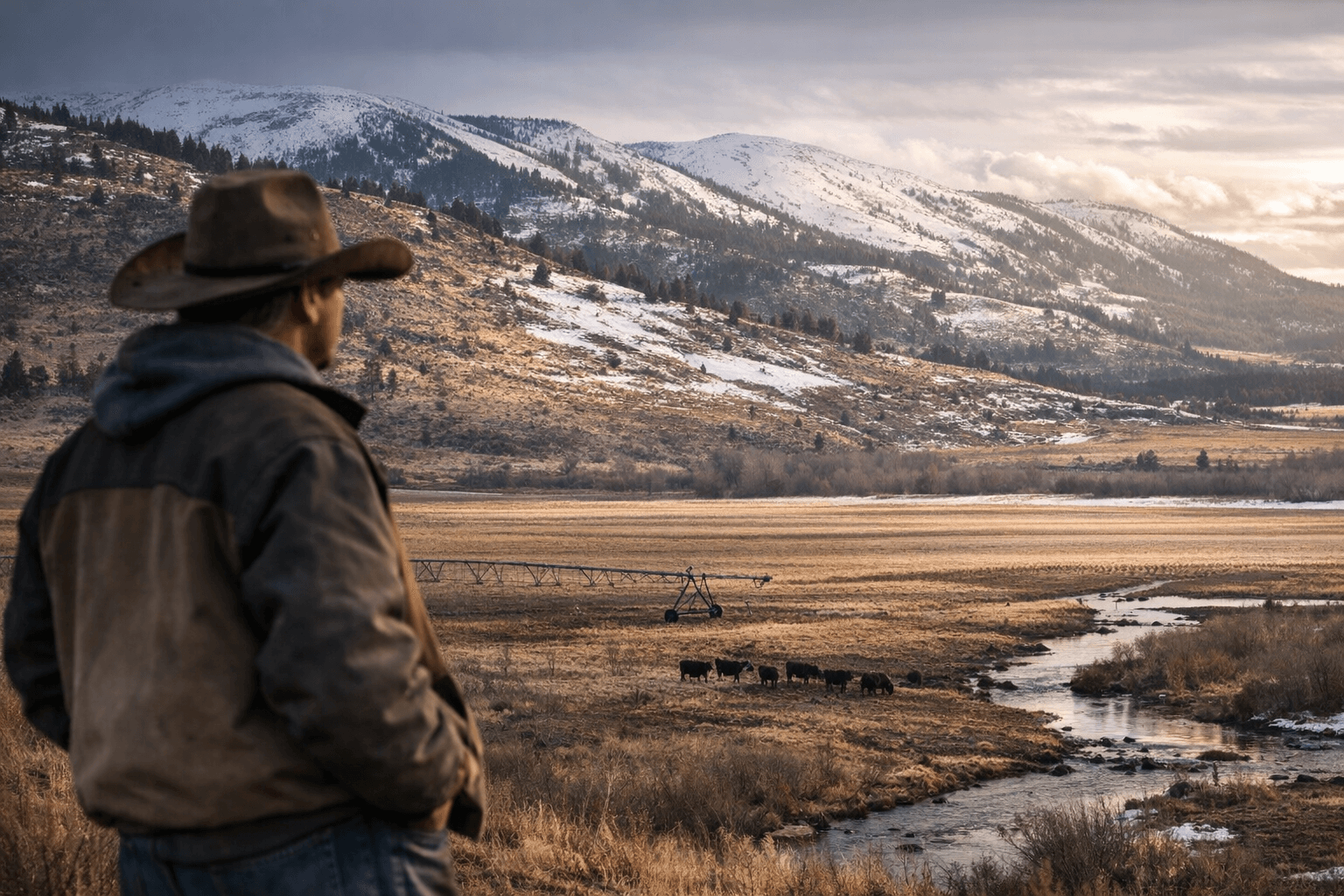
The broader context is a multi-year trend toward diminished winter snow and earlier melt driven by warmer temperatures. Using the 1991-2020 median as a baseline shows how current conditions compare to recent climatology; persistent deficits heighten the chance of drought declarations and more frequent early-season water regulations that could reshape planting and irrigation choices over coming years.
The takeaway? Union County residents should expect tighter water management this summer and consider steps to reduce demand now, conserve where possible, check irrigation scheduling with local districts and plan for higher costs or tighter supplies. Our two cents? Treat this as an early warning: tighter water months may be ahead, so practical conservation now will buy flexibility later.
Know something we missed? Have a correction or additional information?
Submit a Tip