No research notes were included in your message — the file content appears to be missing. Please paste the actual notes or article details, and I'll write the headline right away.
Union County adopted a wildfire protection plan Tuesday, replacing versions from 2005 and 2017 and unlocking eligibility for state and federal fire grants.
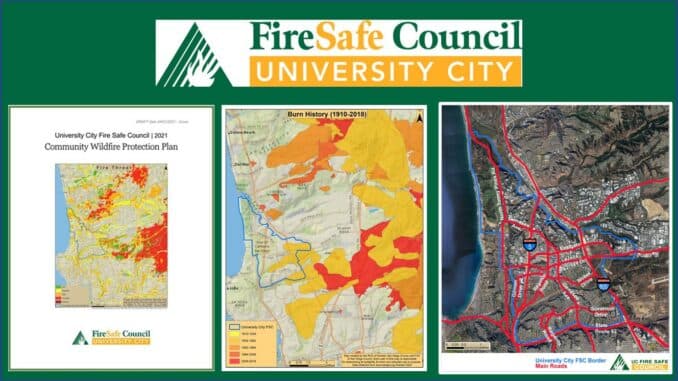
The Union County Board of Commissioners voted unanimously Tuesday to adopt the county's 2026 Community Wildfire Protection Plan, a document nearly two years in the making that replaces versions from 2005 and 2017 and positions the county to compete for state and federal wildfire mitigation funding.
Emergency Manager Nick Vora led development of the plan alongside representatives from the U.S. Forest Service, Oregon Department of Forestry, and local fire districts, presenting it at the board's April 1 regular meeting.
The updated plan meets Healthy Forest Restoration Act requirements and aligns with the National Cohesive Wildland Fire Management Strategy. Both benchmarks carry practical weight: an up-to-date CWPP is frequently a prerequisite for grant applications targeting wildfire risk reduction, meaning Tuesday's vote directly affects the county's ability to draw down outside funding for fire mitigation projects.
Despite its scope, the plan carries no regulatory burden for private property owners. It does not impose mandates on landowners, functioning instead as a coordinating framework between agencies and a strategic foundation for community action.
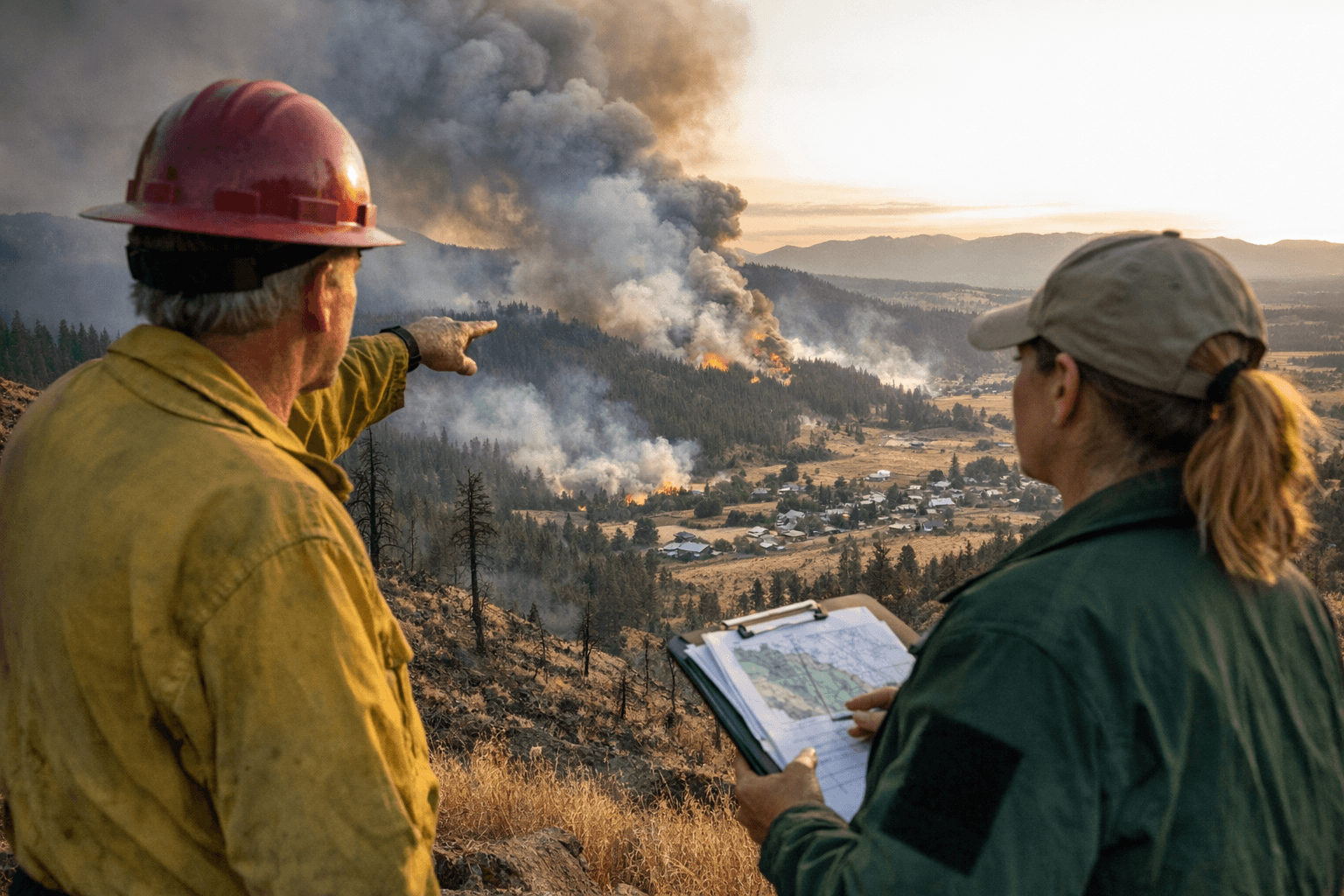
The CWPP complements Union County's existing Natural Hazard Mitigation Plan and is designed as a living document subject to continued revision. With adoption secured, implementation work moves to mapping treatment units across fire-risk areas, pursuing Firewise Community recognition for local neighborhoods, and scheduling fuels treatments on targeted parcels.
The previous CWPP dated to 2017, itself an update to the county's original 2005 document. The nine-year gap between versions reflects the scope of interagency coordination required and the evolving wildfire risk that has reshaped land management priorities across northeastern Oregon.
Know something we missed? Have a correction or additional information?
Submit a Tip