Oregon weighs higher radioactive shipment fees, impact felt in Union County
Oregon may raise a 1983 radioactive-shipment fee as Hanford waste looms for eastern routes. Union County and nearby counties would help handle any spill or accident.
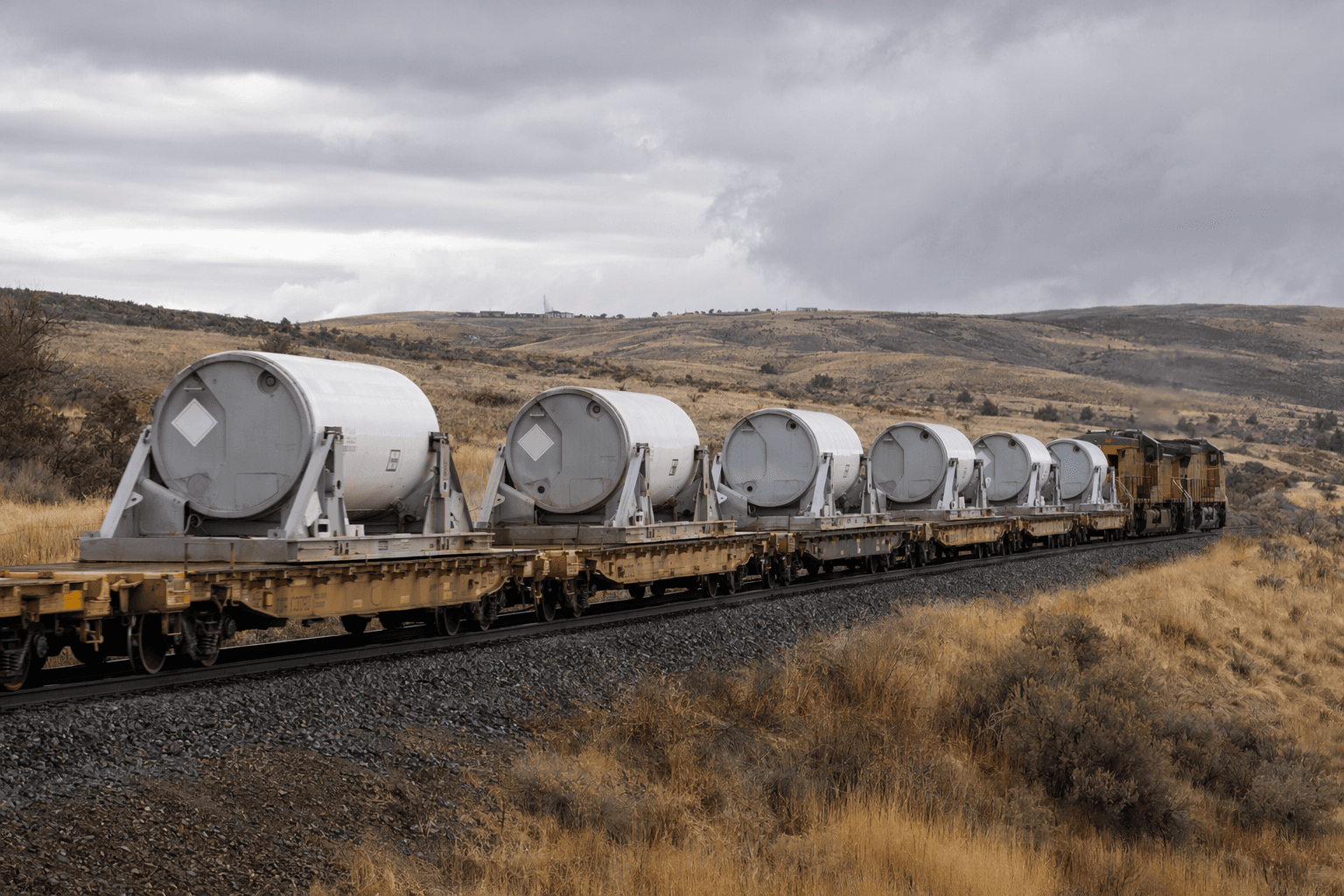
A radioactive cargo that now pays Oregon $70 a shipment could soon cost more, as state officials weigh a fee update tied to routes that run through Union County and the rest of northeastern Oregon.
The Oregon Energy Facility Siting Council is scheduled to consider the proposal at its May 15 meeting. The change would update fees that were first imposed in 1983 and have never been revised, even as the state says the transportation system, regulatory workload and public expectations around oversight have grown.
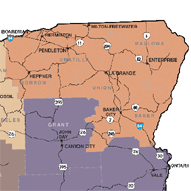
The issue matters in Union County because radioactive material moves through eastern Oregon by truck and train, often on routes that also serve Baker, Umatilla and Malheur counties. Oregon’s Department of Transportation says carriers moving radioactive material in and through the state must comply with U.S. Department of Transportation, U.S. Nuclear Regulatory Commission and Oregon Department of Energy rules.
The Department of Energy says its transport program is meant to prevent accidents and prepare the state to respond if something goes wrong. Oregon law also requires annual shipment reports to state agencies and to local governments that are trained under the emergency preparedness program, linking the fee question directly to local readiness.
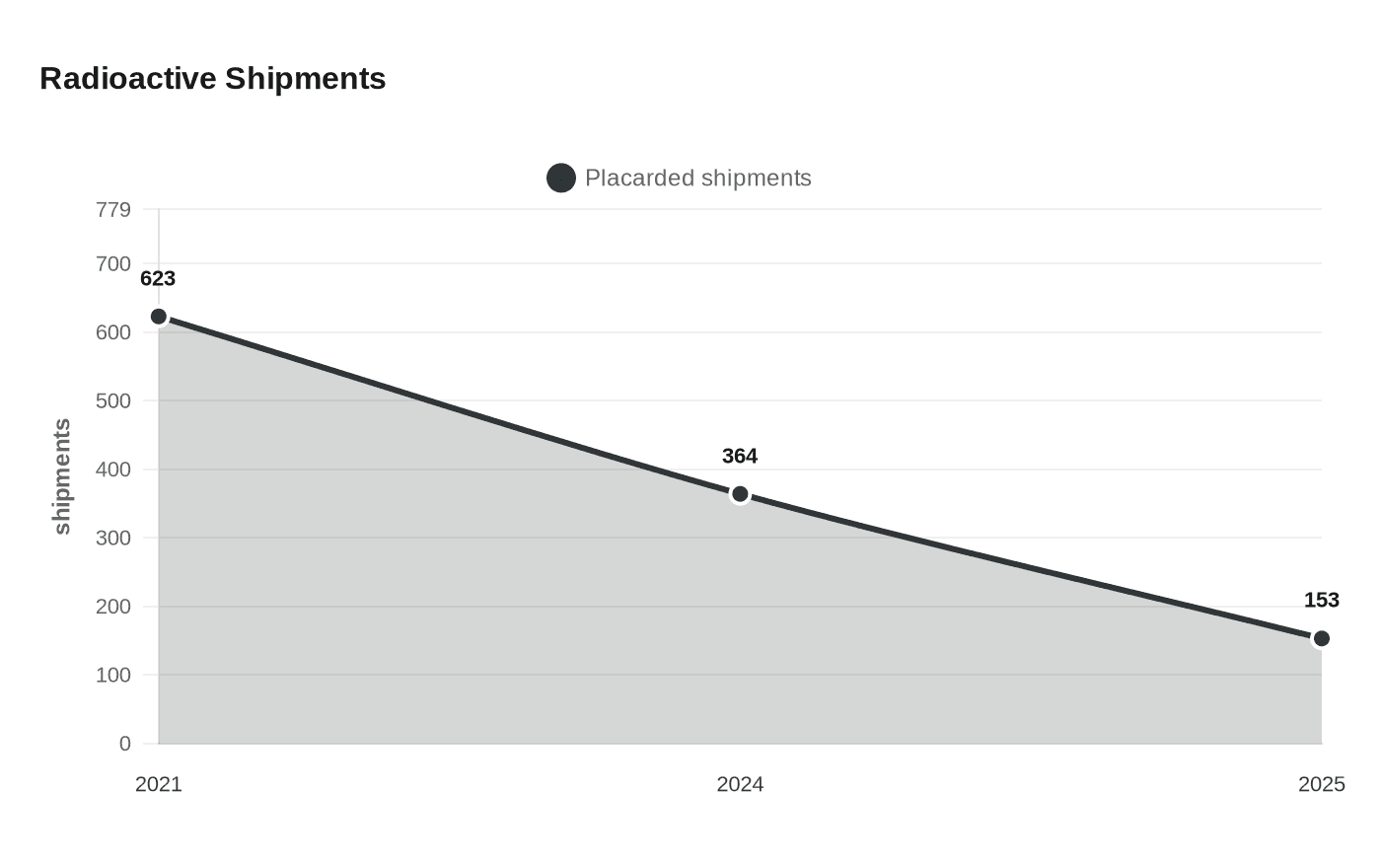
Those reports show the traffic is real, even when incidents are rare. Oregon’s 2025 report said 153 placarded shipments entered or traveled in the state safely under the permit program, with no transport accidents in Oregon that caused spillage or injury. The state says an average year brings about 400 radioactive shipments through parts of Oregon. A 2024 report cited 364 placarded shipments, while a 2021 legislative report cited 623.
The current rules include a $70 fee for certain placarded truck shipments, capped at $500 per year, along with an annual fee structure for placarded shipments of well-logging material, radiographic material and radiopharmaceuticals. Supporters of an increase argue the state should be collecting enough to cover inspections, emergency planning and taxpayer protection before the next wave of shipments arrives.
That next wave could be significant. In December 2025, Oregon officials said shipments of radioactive waste from the Hanford Site in Washington state could begin as early as 2028, though more likely in the early 2030s. Gov. Tina Kotek and U.S. Sens. Ron Wyden and Jeff Merkley objected last year to a federal proposal involving more than 30 million gallons of liquid radioactive waste moving through northeastern Oregon.
For Union County, the question is not abstract budget bookkeeping in Salem. It is whether the state’s oversight system, and the local emergency agencies expected to react first, are ready for a low-visibility hazard that could pass through town long before most residents notice.
This article was produced by Prism’s automated news system from verified source data, official records, and press releases, then run through automated quality and moderation checks before publishing. The system is built and supervised by the people who set the standards it runs under. Read our full AI policy.
Did this article answer your question?