PILT dominates Wyden town hall, raising federal funding concerns in Eastern Oregon
Union County is set to receive $1,579,842 in 2026 PILT money, as Wyden's Enterprise town hall turned on the federal-land revenue local counties cannot tax.
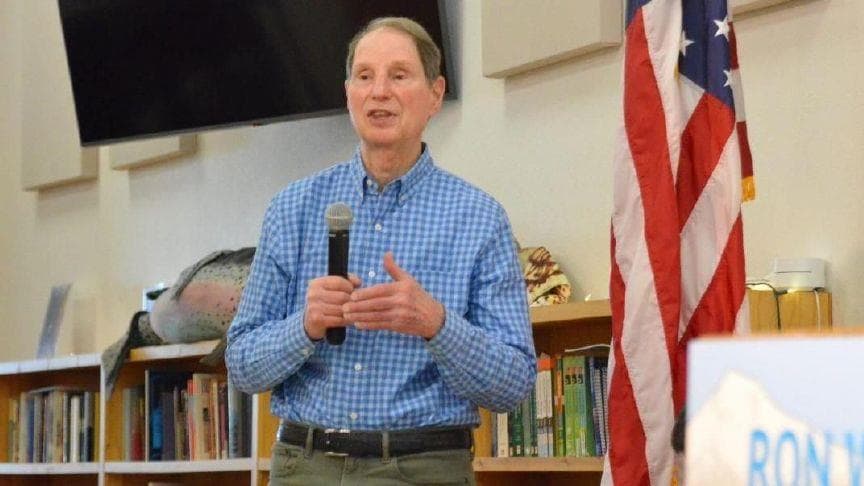
Payment in Lieu of Taxes, or PILT, was the main issue at Sen. Ron Wyden’s town hall in Enterprise, and the numbers already show why it matters in Union County. Union County is slated to receive $1,579,842 in PILT funding for 2026, while neighboring Wallowa County is set for $2,029,757, money meant to offset the property-tax revenue local governments lose on federal land.
Wyden announced June 23 that he would hold six open-to-all town halls across Eastern Oregon from July 6 to 8. His town-hall page says he has held 1,149 open meetings statewide, a practice that put county revenue and land policy at the center of the Enterprise stop.
PILT is not general aid. The federal payment is designed to compensate counties because they cannot tax federal land, and the June 29 announcement from Wyden and Sen. Jeff Merkley said Oregon counties would receive a combined $52,016,022 in fiscal year 2026. The senators said the money helps support schools, firefighters, law enforcement, road construction, public education, public safety and transportation. The formula is built from federal acreage, county population, prior-year federal revenue-sharing payments reported by the governor and inflation adjustments tied to the Consumer Price Index.
The lands that drive those payments are spread across multiple federal agencies, including the Bureau of Land Management, U.S. Forest Service, Bureau of Reclamation, National Park Service, U.S. Fish and Wildlife Service and U.S. Army Corps of Engineers. In western Oregon, the Bureau of Land Management says O&C lands cover more than 2.4 million acres across 18 counties, a legacy of federal land policy that still shapes rural budgets today. The agency also says the Coos Bay Wagon Road Act of 1939 created an in-lieu tax program for Coos and Douglas counties, another reminder that Oregon’s counties have long depended on federal compensation where the property tax base ends.
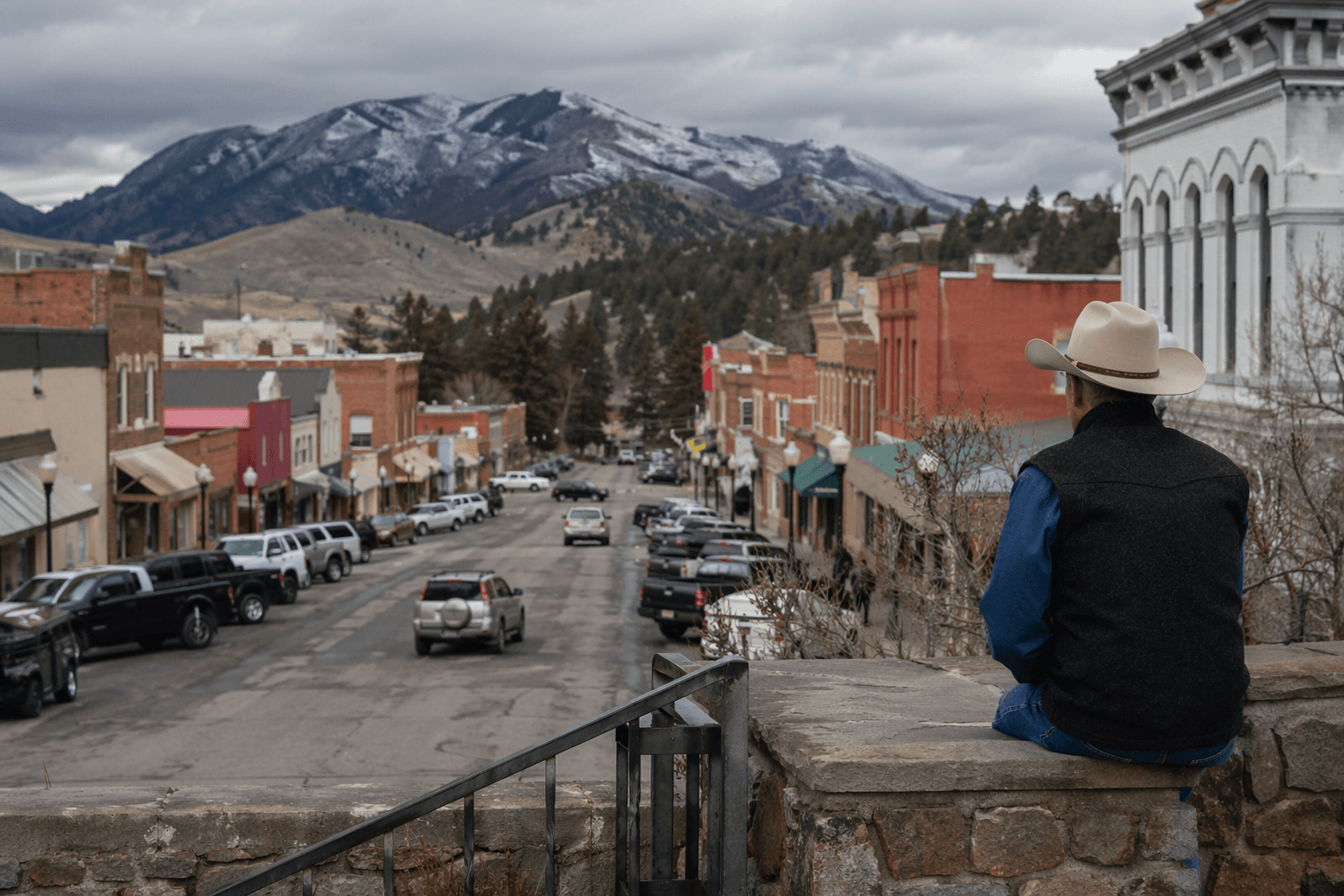
For Union County, the issue lands in a county with 806 farms and 342,913 acres in farms, according to USDA’s 2022 county profile. That land base underscores how much of the local economy and tax structure is tied to acreage, roads and public services spread across a rural landscape. The combined $3,609,599 headed to Union and Wallowa counties in 2026 shows that federal-land revenue is not an abstract policy debate in Eastern Oregon. It is a line item that helps keep county governments functioning.
This article was produced by Prism’s automated news system from verified source data, official records, and press releases, then run through automated quality and moderation checks before publishing. The system is built and supervised by the people who set the standards it runs under. Read our full AI policy.
Did this article answer your question?