Union County Commissioners Urge Senators to Support Federal Gray Wolf Delisting
Union County commissioners voted to urge U.S. senators to support federal delisting of the gray wolf to reduce livestock depredation and return management to local control.
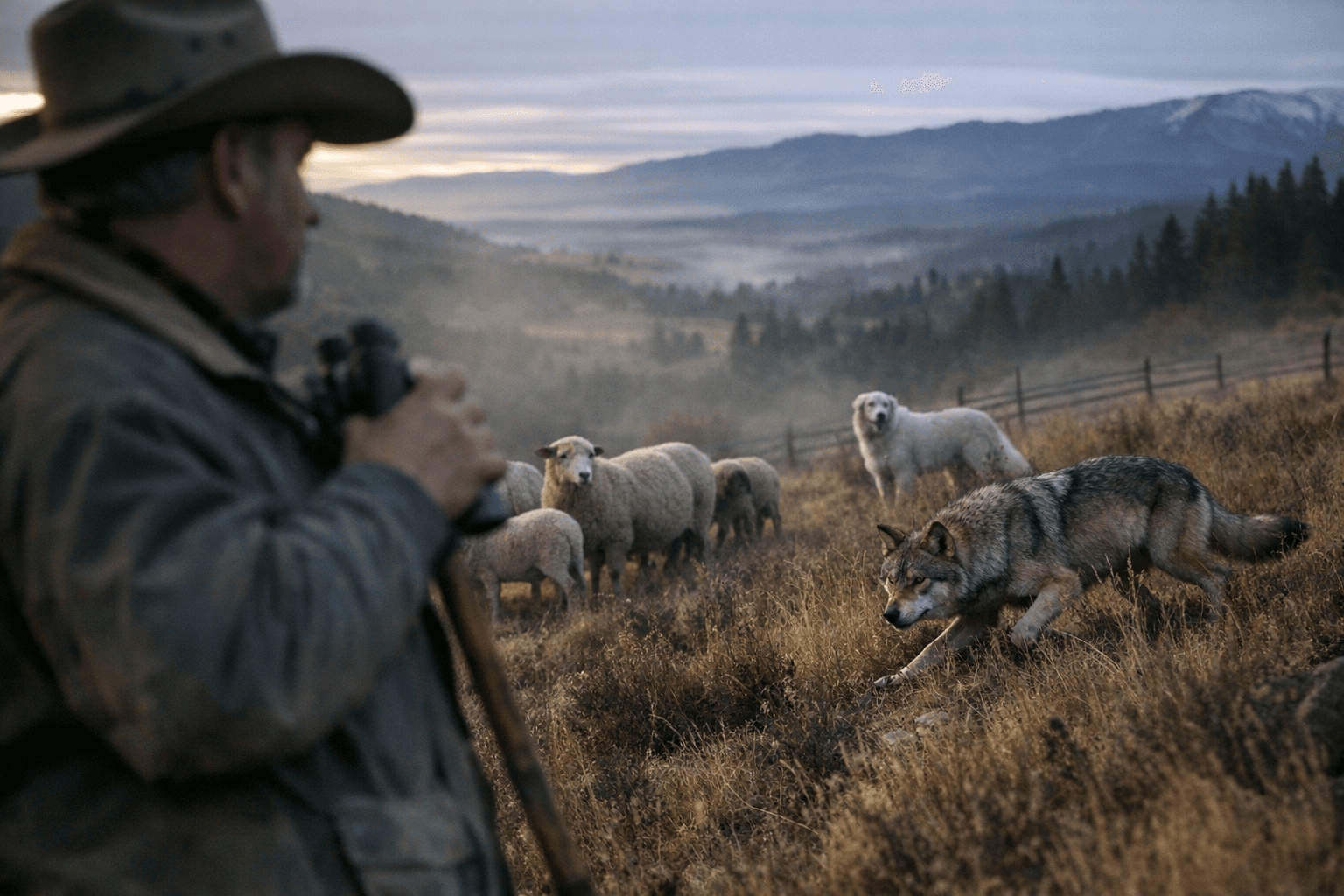
The Union County Board of Commissioners voted at its Jan. 21 meeting to approve and send a letter to U.S. senators urging support for federal delisting of the gray wolf. The letter, prepared by Commissioner Jake Seavert and adopted by the board, identifies concerns about expanding wolf populations and endorses U.S. House Bill 845 as the preferred federal avenue to remove wolves from Endangered Species Act protections.
County leaders framed delisting as a measure to give more local control over wolf management and to reduce livestock depredation impacts on ranchers. The board included the full text of the letter in its meeting materials, outlining the commissioners’ rationale and local stakeholders’ interests in seeking congressional action. The resolution asks federal lawmakers to back legislative changes that would transfer authority away from automatic federal protections for the species.
Union County officials stressed the local consequences of current federal status. The letter cites increasing encounters between wolves and domestic livestock, and says county leaders believe the shift would allow state and local agencies to implement management plans tailored to rural communities and working landscapes. Commissioner Jake Seavert authored the document that the board adopted and directed to the county’s U.S. senators.
The move places Union County in a broader national debate about how to balance species conservation with the economic realities of ranching country. At stake for local residents are grazing operations, livestock losses, and the ability of county and state wildlife managers to respond quickly in range country where depredation incidents occur. By urging senators to support H.R. 845, the commissioners are asking for congressional intervention rather than relying solely on administrative delisting processes.
Legal and policy shifts at the federal level would change how management and enforcement are carried out. Removing the gray wolf from Endangered Species Act protections would mean that protections now governed by federal law could be reallocated to states and local jurisdictions, affecting hunting rules, population controls, and compensation mechanisms for livestock losses. The board’s letter makes clear that Union County officials seek that reallocation as a path to reduce the economic burden on ranchers.
For Union County residents, the immediate consequence is a formal request from local elected officials to the county’s U.S. senators to support H.R. 845. What comes next depends on the senators’ response and any action in Congress. If the bill or similar legislation advances, local officials say management decisions would increasingly be made closer to home, with direct implications for ranching operations and wildlife policy in the county.
Know something we missed? Have a correction or additional information?
Submit a Tip