Union County landowners ask court to revoke B2H condemnation certificate
An attorney filed petitions to void the PUC certificate allowing Idaho Power to condemn land for the B2H line. The action directly affects La Grande-area property owners and access rights.

An attorney representing multiple landowners moved in court this week to rescind the Oregon Public Utility Commission certificate that authorized Idaho Power to take private land for the Boardman‑to‑Hemingway (B2H) 500 kilovolt transmission project. The filings, submitted Jan. 12, included a petition in Union County Circuit Court concerning a roughly 93‑acre parcel owned by John Collier Williams of La Grande in the Morgan Lake area west of the city, where Idaho Power previously sought easements.
The petition argues the underlying purpose for the transmission line has shifted since the PUC issued its 2023 certificate and that change invalidates the commission’s authorization to use condemnation. The legal challenge is one of several related suits that have emerged since the project advanced through state permitting. While the disputes proceed in court, Idaho Power has been granted limited entry to certain properties to conduct specific activities.
At the center of the case is the balance between state regulatory approvals and private property rights. The 2023 certificate from the Oregon PUC gave Idaho Power statutory authority to obtain rights of way, including through condemnation, to build the high‑voltage line. The new petition asks a Union County judge to revoke that certificate for the Williams parcel on the grounds the project's stated purpose no longer matches what the PUC approved.
For Union County residents the stakes are immediate. Landowners near Morgan Lake and other proposed corridors face potential loss of control over land use, temporary construction impacts, and long‑term rights of way. Limited entry orders by courts can allow utility crews onto properties for surveys or site preparation even as underlying disputes over authority and compensation are litigated. That dynamic can heighten tensions between neighbors, county officials, and the utility while the legal process unfolds.
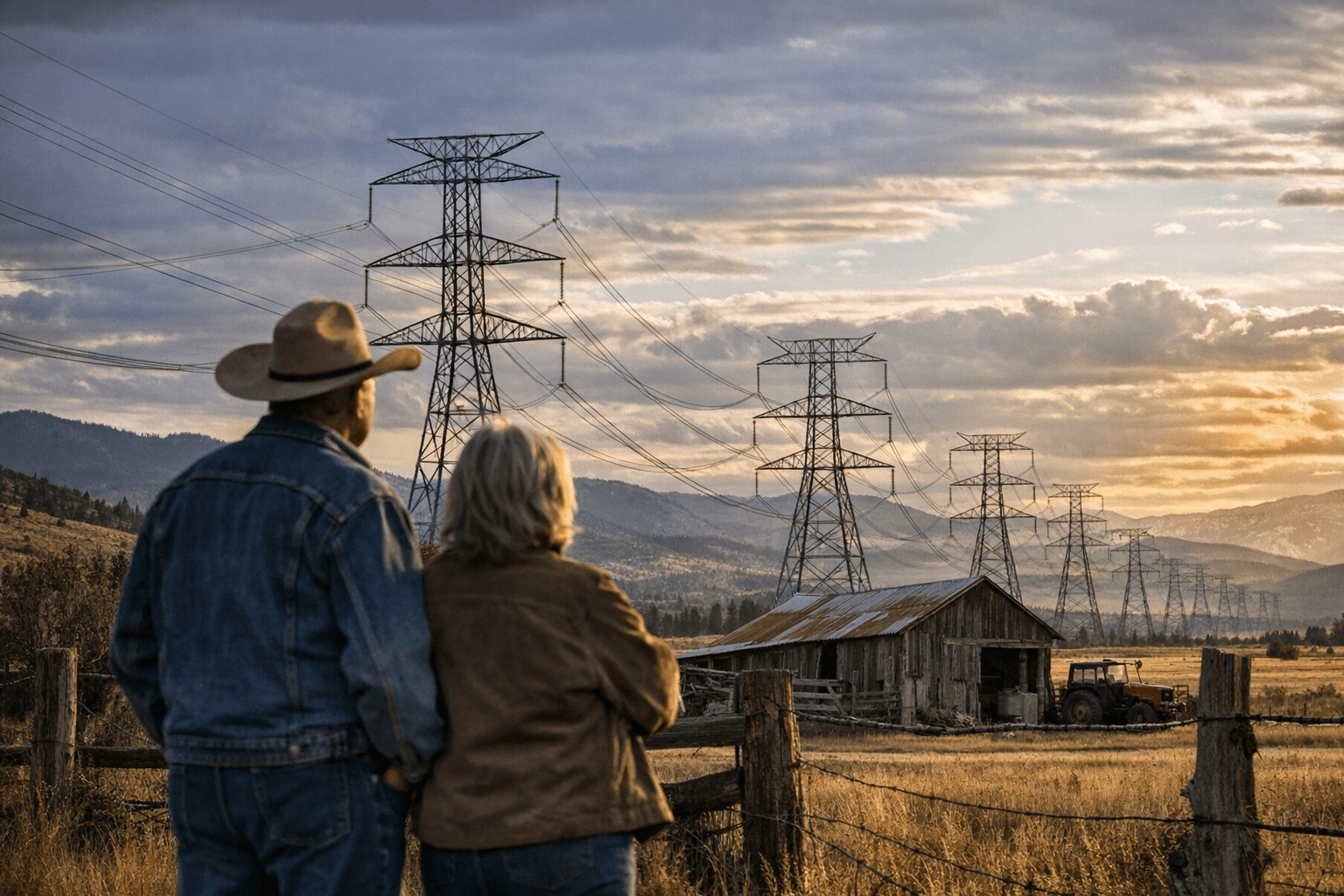
Beyond individual parcels, the litigation raises broader questions about regulatory oversight and the durability of PUC approvals. If a court finds that material changes in project purpose can nullify a certificate, utilities and regulators could face additional review demands, revised public notice requirements, or new routes for judicial checks on condemnation power. Those outcomes would affect how large transmission projects are planned and how local communities engage with permitting processes.
What happens next is a sequence of local legal steps. The Union County petition will proceed through the circuit court docket alongside related challenges elsewhere, and Idaho Power’s limited property access will continue under existing court allowances. Residents interested in the B2H corridor should monitor court filings, consult county resources about rights of way and easements, and follow PUC proceedings to track whether regulators or courts alter the project’s authorization or timeline. The case could reshape how property rights and statewide infrastructure needs are weighed in Union County and beyond.
Know something we missed? Have a correction or additional information?
Submit a Tip