Union County sends Idaho Power weed-control letter over B2H corridor concerns
Union County is pressing Idaho Power to spell out who will stop B2H weeds before they spread onto ranchland, roadsides and public ground.
Union County is asking Idaho Power to answer a basic but costly question: who will keep noxious weeds from riding the B2H project into ranchland, roadsides and public ground in Union County?
The Union County Board of Commissioners agreed Wednesday, April 15, 2026, to send a letter to the utility over weed-control concerns tied to the planned Boardman to Hemingway transmission corridor, known as B2H. County leaders and the Union County Noxious Weed Agency have been worried that construction could introduce or spread invasive species through the disturbance corridor, not just along the line itself. The county’s letter pushes the issue into the formal record and asks, in effect, whether Idaho Power’s current plan is enough to prevent a long-term infestation problem.
That question carries real financial weight for landowners and taxpayers. Union County’s weed program says noxious weeds threaten the county’s agricultural base, rangelands, waterways, parks, wildlife habitat, property values, public health and safety, and native ecosystems. The county’s concern is that once weeds are established, the cost does not stop with the utility project. It can shift to ranchers, road crews, weed districts and public agencies that are left to monitor, spray and reclaim infested ground for years.
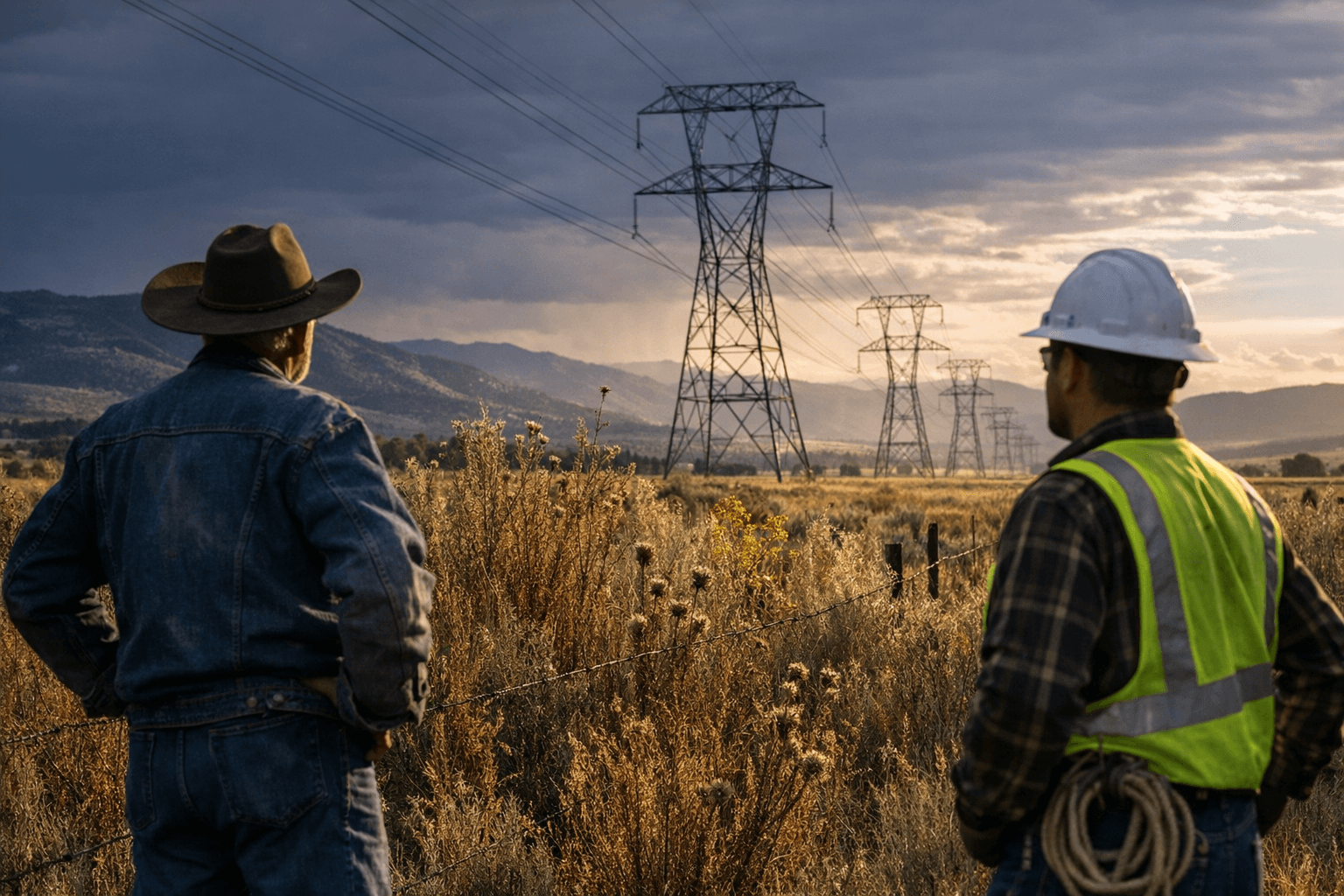
B2H is a major transmission project with a long footprint across the region. Oregon state materials describe it as an approximately 270.8-mile, single-circuit 500-kV line crossing Morrow, Umatilla, Union, Baker and Malheur counties. Idaho Power describes it as an approximately 290-mile, 500-kV line from the Longhorn Substation east of Boardman, Oregon, to the Hemingway Substation in Owyhee County, Idaho. Idaho Power says it broke ground in 2025 and hopes to energize the line as early as 2027.
The project itself has been on the books for years. Idaho Power says the concept first appeared in its 2006 integrated resource plan and was initiated in 2007. Federal approvals followed, including a Bureau of Land Management Record of Decision in November 2017 and a U.S. Forest Service Record of Decision on Nov. 9, 2018.
Union County’s action also reflects a familiar pattern. An Aug. 22, 2017 letter shows county weed supervisors from Union, Umatilla and Morrow met with the Oregon Department of Agriculture and the Tri-County Cooperative Weed Management Area to review Idaho Power’s noxious-weed plan. Oregon’s Department of Agriculture says noxious weeds can displace native and desirable economic plants and can contribute to extreme wildfire behavior, while Union County says it uses an integrated vegetation management approach to control invasive plants within county boundaries.
For Union County, the issue is no longer just whether B2H will be built. It is whether Idaho Power will be held accountable for preventing a corridor project from becoming a corridor for weeds.
This article was produced by Prism’s automated news system from verified source data, official records, and press releases, then run through automated quality and moderation checks before publishing. The system is built and supervised by the people who set the standards it runs under. Read our full AI policy.
Did this article answer your question?