Your Guide to Union County Farmers Markets, CSAs, and Local Producers
Find where to buy local produce, meat, dairy and join CSAs in Union County, plus payment, access and seasonal tips.
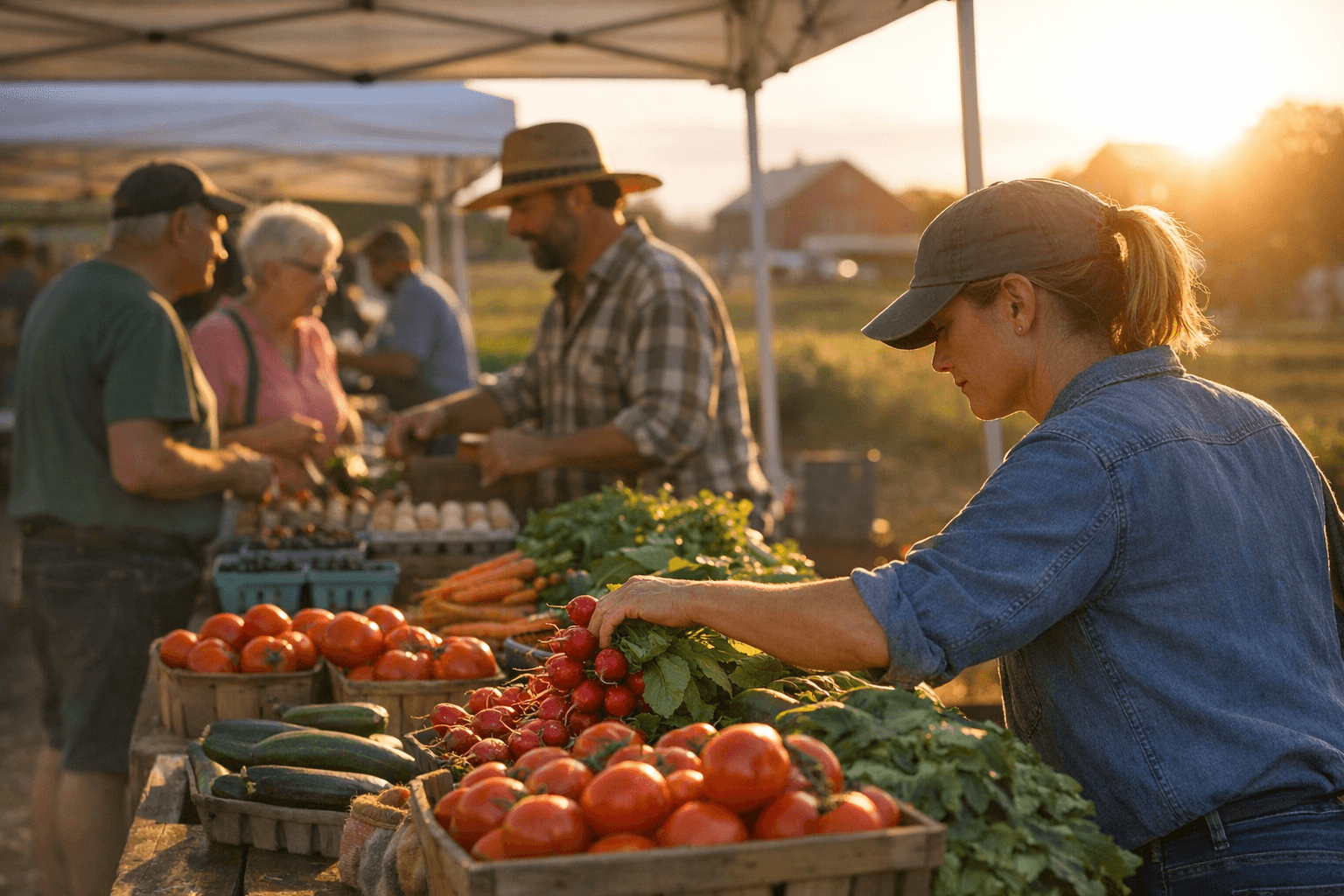
Local growers, weekly markets, CSAs and food-box programs together shape how Union County eats and supports its agricultural economy. Below is a practical, street-level guide to recurring markets, producers, food-access programs and tips to buy local across La Grande, Island City, Union, Elgin and the Grande Ronde Valley.
1. La Grande Farmers Market
La Grande Farmers Market typically runs weekly through spring, summer and early fall and is a central hub for fresh produce, baked goods, meat, eggs and prepared foods. Markets are usually held downtown or at a central park and bring together local artisans and community booths, making it a good one-stop place to compare vendors and production practices. Because schedules change seasonally, check city calendars or the market’s social pages for exact dates, hours and vendor lists before you go.
2. Island City and Grande Ronde Valley markets
Island City and nearby Grande Ronde Valley host smaller weekly markets and vendor gatherings during the warm months, focusing on garden starts, seasonal produce and local crafts. These markets are often neighborhood-level operations where growers sell direct to residents, which makes them ideal for finding early-season seedlings, rare varieties and value-added goods. Expect a more intimate shopping experience and the chance to build direct relationships with growers who may sell only a few hours on market day.
3. Union and Elgin area markets and pop-ups
Union and Elgin organize periodic markets, farm stands and holiday pop-ups that vary by season and community events. These markets can feature farmers who don’t travel to La Grande and often include specialty items like heritage apples, cider, pies and seasonal crafts that reflect the county’s agricultural rhythms. Keep an eye on city event pages and community social feeds for one-off markets tied to harvest festivals and holiday shopping.
4. Pick‑your‑own farms and farm stands
Several family farms in the Grande Ronde and Wallowa valleys run seasonal pick‑your‑own and farm-stand operations offering berries, stone fruit, apples, pumpkins and vegetables. These operations let households harvest at scale, an economical option for jam-making, canning and fall storage, while providing direct support to small growers. Hours are often listed on social media or local listings, so call ahead, produce can sell out quickly on peak weekends.
5. Meat, eggs and dairy producers
Local ranchers and small producers in Union County supply beef, pork, lamb, chicken and eggs, with some offering whole- or half-animal orders by appointment; pasture-raised and grass-fed options are available through direct contact or market vendors. Buying direct from producers lets you ask about feed, pasture management and processing timelines, and it often reduces per-pound costs if you purchase in bulk. Local co-ops and market tables can help connect buyers to producers who do not maintain public storefronts.
6. Community‑Supported Agriculture (CSA) programs
Multiple small farms in eastern Oregon operate CSA shares that run seasonally from spring through fall, and some offer winter storage shares or limited winter deliveries. Shares usually include a rotating box of vegetables and herbs and may occasionally add eggs or value-added items such as pickles, preserves or fresh bread. CSAs are a direct farm-to-consumer model that stabilizes farm income and gives households a predictable supply of seasonal produce, ask about share size, pickup locations and substitution policies before committing.
7. Produce and food‑box programs from nonprofits
Nonprofits and community organizations periodically run subsidized food-box or farm-share programs to improve food access, especially during winter months when fresh local options are scarcer. These programs often partner with local farms to source boxes at reduced prices and may include sliding-scale fees, vouchers or partnership pickup sites through libraries, community centers or churches. Contact local food banks or community organizations for schedules, eligibility and signup details.
8. Restaurants and retail sourcing local foods
Many locally owned restaurants and cafés in La Grande, Island City, Elgin and Union emphasize regional ingredients, cheese, produce and meats, from nearby farms, supporting the local food economy and offering another route to sample producers. Independent grocers and co-ops also carry Oregon-made products and seasonal items that don’t make it to large supermarkets. If you want specific producers featured on menus, ask restaurant staff, chefs often list farms or source boards and may sell local specialty products retail-style.
9. SNAP/EBT, incentives and market payment options
Some farmers markets in the county accept SNAP/EBT and participate in incentive programs that stretch benefits for fresh produce purchases; availability varies by market and season. Contact market organizers or Union County social services to confirm current participation, and ask whether markets offer matching programs, double bucks, or tokens to make purchases simpler. Knowing payment options ahead of time ensures all households can access fresh local foods without surprises.
10. Food banks, pantry partnerships and gleaning projects
Local pantries partner with farms and food rescue programs to distribute fresh produce, and volunteer-run gleaning projects may operate seasonally to recover surplus crops for community distribution. These collaborations increase food access while reducing waste and help small farms channel excess harvest to residents in need. Volunteer opportunities are a practical way for residents to support food security and learn more about local production.
- Follow seasonal calendars: expect early-summer berries, mid-summer tomatoes and peppers, and late-summer/fall squash and apples.
- Call ahead or check social pages: small producers can have limited hours and sell out fast on market days.
- Ask about growing and production practices: many small farms use sustainable methods even if not certified; asking directly provides clarity.
- Consider bulk or share purchases: buying whole/half animals or joining CSA shares lowers per-unit cost and supports producer cash flow.
11. Tips for buying local in Union County
Using these practical steps will make shopping local more efficient and help you stretch food dollars while supporting county producers.
12. Resources, contacts and institutional support
City and county event calendars, chambers of commerce and market organizers list dates, vendor applications and special events for markets across Union County. Oregon State University Extension Service and local nonprofits provide planting calendars, food-safety guidance for vendors, and directories of certified producers, use these institutional resources for reliable technical guidance. When in doubt, contact organizers directly: they provide the most current info on schedules, payment options and vendor lists.
Practical wisdom for neighbors: build a small seasonal plan, pick one market, one CSA and one producer to rely on, so you spread your food budget, deepen relationships with growers and get the best of Union County’s harvests. When you buy local consistently, you help stabilize the county’s food system and keep more dollars circulating in the community.
This article was produced by Prism’s automated news system from verified source data, official records, and press releases, then run through automated quality and moderation checks before publishing. The system is built and supervised by the people who set the standards it runs under. Read our full AI policy.
Did this article answer your question?