Bucknell move-out drive sends food, furniture to local families
Bucknell’s move-out drive is sending food, furniture and winter clothing to Union County families instead of the landfill.

Bucknell University’s spring move-out has turned dorm-room leftovers into food, furniture and winter clothing for Union County families, with collection sites open in Lewisburg through May 18.
The annual Sustainable Move Out effort is pairing Bucknell with Union-Snyder Community Action Agency and DIG Furniture Bank to collect non-perishable, non-expired food, gently used furniture, household items and winter clothing. Students can drop off donations at South Campus Building 2, West Campus Apartments and Swartz Hall, while winter clothing is also being gathered in residence halls across campus.
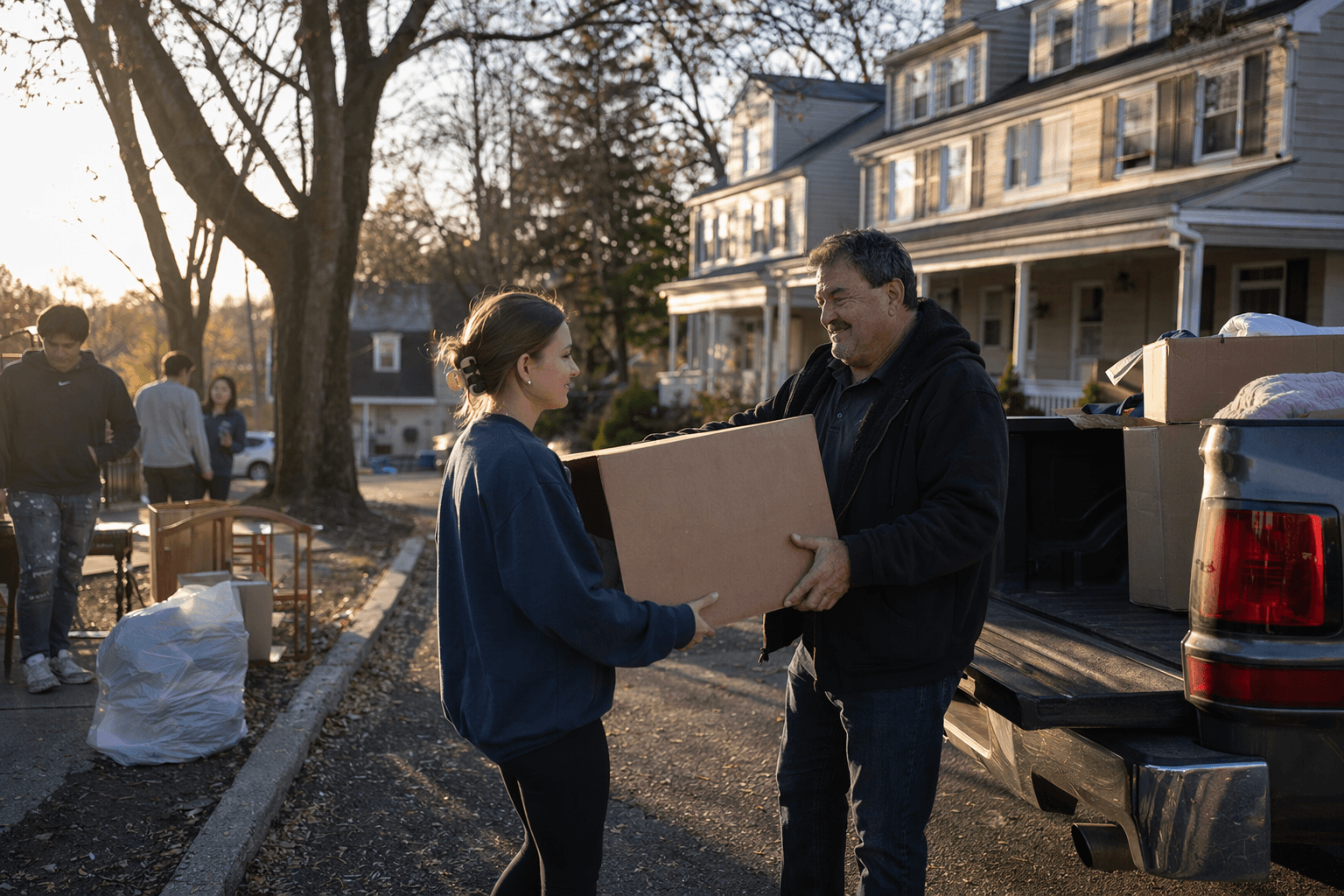
The drive has become a practical seasonal handoff in a college town where move-out week can quickly fill dumpsters with usable goods. In 2024, Bucknell said the program had been running for three years and reported collecting more than 6,000 pounds of furniture and 450 pounds of food. By 2025, DIG Furniture Bank said the move-out brought in more than 6,500 pounds of furniture and household goods, and Bucknell added four more collection sites to make it easier for students to donate instead of discard.
The most useful items often include mini-fridges, microwaves, linens and storage bins, according to WNEP-TV coverage. Those are the kinds of purchases that can be expensive for families to replace all at once, especially at the start of summer when household budgets are tight and school-year support systems are thinner.
DIG Furniture Bank serves families in Snyder, Union and Northumberland counties, giving the drive a direct local landing place for what students leave behind. The nonprofit’s new Milton headquarters is nearly five times larger than its previous space, a move that should help it sort, store and distribute more donated goods. Founder Emily Gorski started DIG out of her home in Lewisburg before the operation grew into a storage facility in Mifflinburg and later moved to Milton.
At Bucknell, the program also fits a larger sustainability push. The university says sustainability includes waste minimization and recycling, and that approach is built into a broader 10-year plan that publicly reaffirms a goal of carbon neutrality by 2030. Lynn Pierson, with Bucknell’s Office of Civic Engagement, has described sustainable checkout as a model many colleges use to steer student donations away from the trash and toward local nonprofits.
Pierson has also pointed to food insecurity in the area, especially during the summer months, which gives the donation drive added weight beyond campus. For Lewisburg, the result is immediate and visible: one part recycling effort, one part community safety net, and one more way Bucknell’s move-out season feeds local families instead of landfill waste.
This article was produced by Prism’s automated news system from verified source data, official records, and press releases, then run through automated quality and moderation checks before publishing. The system is built and supervised by the people who set the standards it runs under. Read our full AI policy.
Did this article answer your question?