Lewisburg cemetery tour spotlights Revolutionary-era settlers and local history
Lewisburg Cemetery turned Revolutionary-era names into a walk-through of Union County’s earliest history, from General Abbot Green to John Linn.
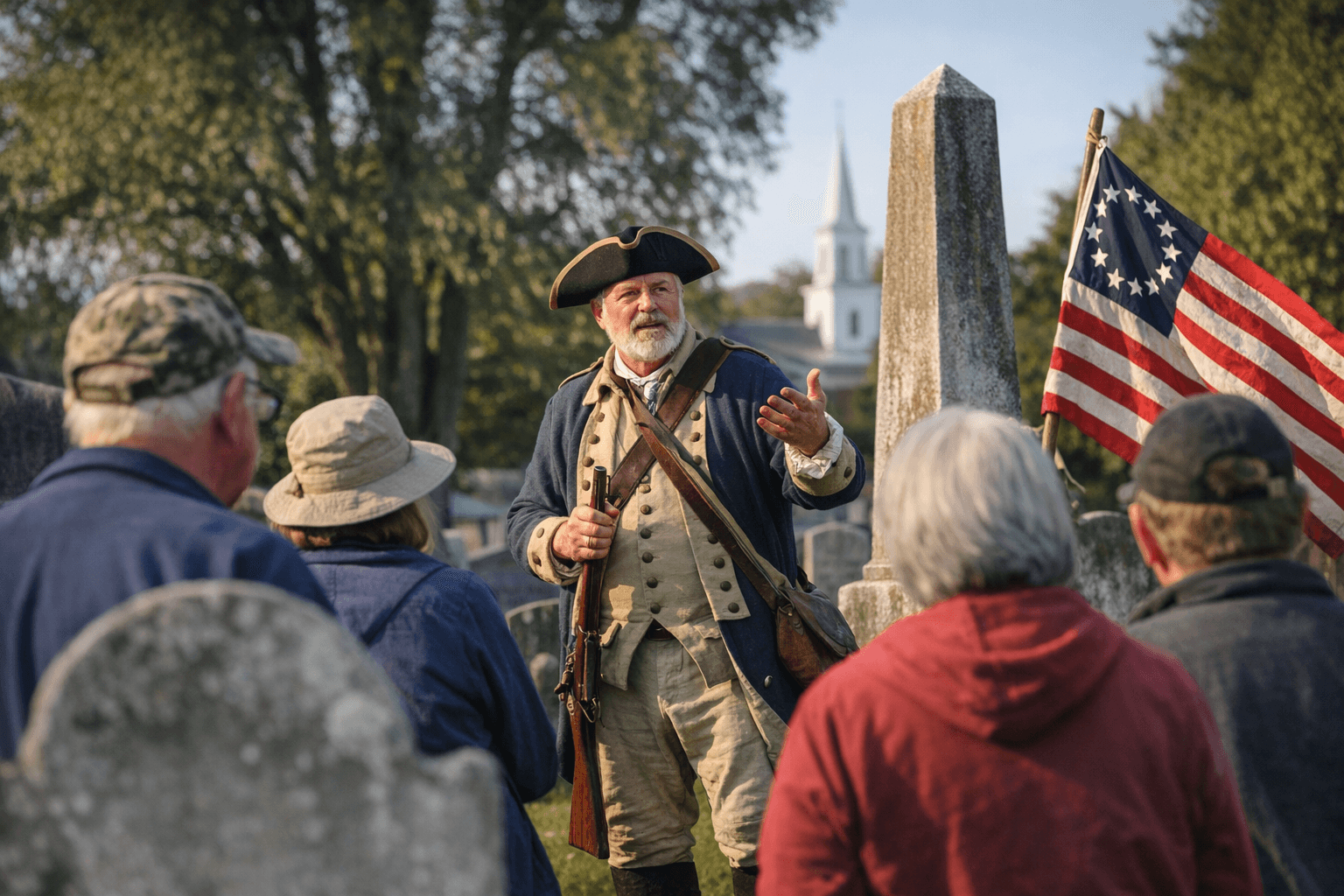
Lewisburg Cemetery put Revolutionary-era settlers back in public view Sunday as the Lewisburg Cemetery Association led Buffalo Valley Settlers: Revolutionary Stories, a walking tour built around the borough’s earliest families and the nation’s 250th anniversary.
The tour moved through the 38-acre grounds on South Seventh Street between St. Catherine Street and Bucknell University, where the cemetery association says graves were gathered from downtown churches and other older burial grounds after the cemetery opened. That shift tells part of Lewisburg’s story all by itself: before the cemetery was established, burials in town often took place in churchyards, family farms and town plots, a practice that eventually raised health concerns as the borough grew.
The cemetery association was incorporated by the Pennsylvania General Assembly in April 1848 and opened on six acres that year. A sexton’s house followed in 1849, and the grounds later expanded into what the Union County Historical Society calls the largest cemetery in Union County. The site is also part of the mid-19th-century rural cemetery movement, which meant it was designed as a landscaped public space for memory and reflection, not just a burial field.
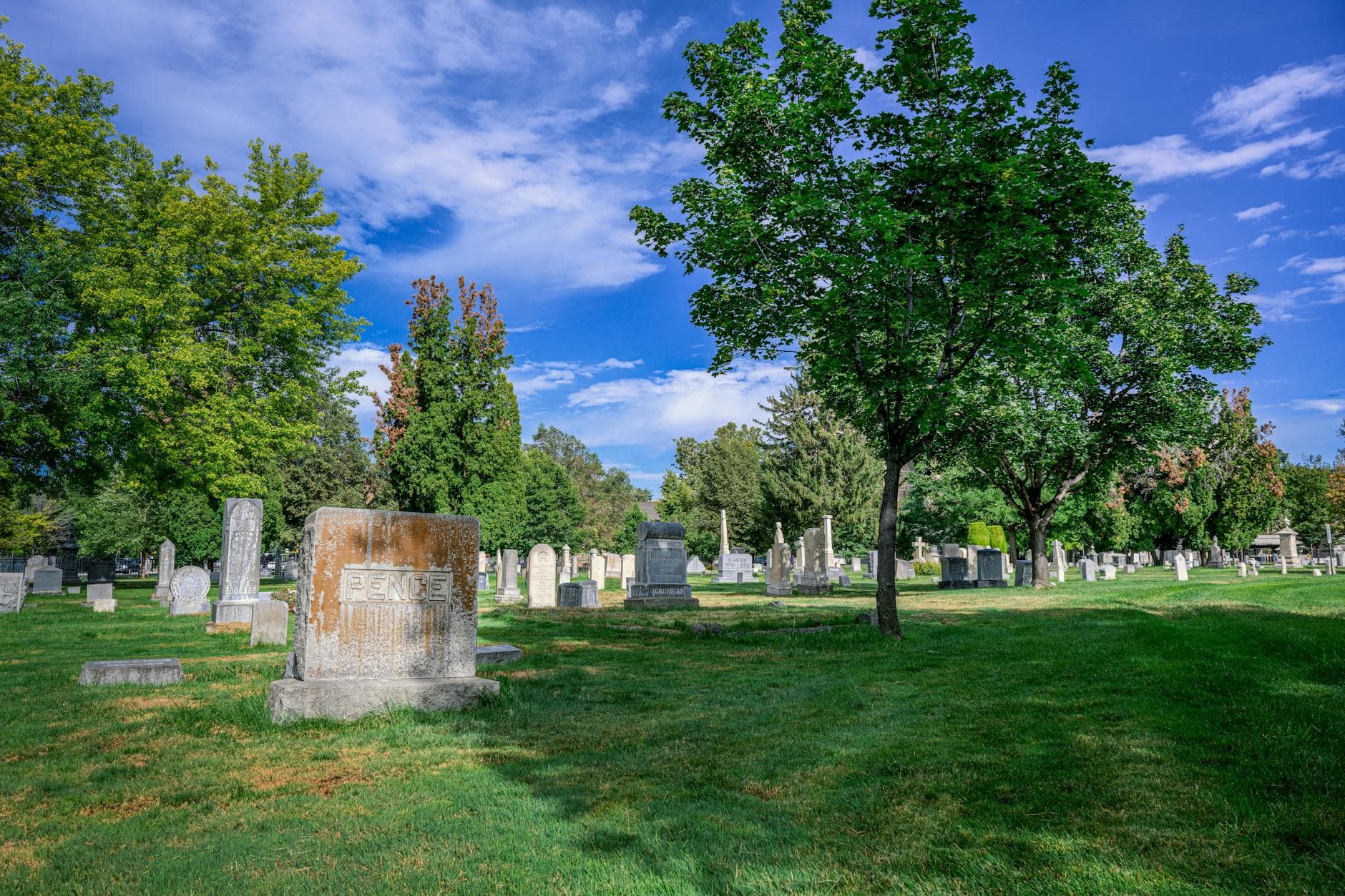
That history was the backdrop for the names highlighted on the tour and in cemetery records, including General Abbot Green, William Chamberlain, Henry Spyker, Christopher Weiser, Roan McClure and John Linn. The cemetery association says early settlers buried there include Revolutionary War and War of 1812 veterans, a reminder that Lewisburg’s oldest families lived through the years when the Buffalo Valley was still taking shape. Settlers were already present in the valley by 1750, Lewisburg was laid out in 1785, and it became a borough on March 21, 1822 before later becoming the Union County seat after 1855.
The grounds also showed how the cemetery has kept evolving. The Lewisburg Cemetery chapel was built in 1899, a columbarium with fountain was erected across from it in 2012, and the cemetery now includes a veterans section, a mausoleum, a columbarium and a cremation garden. Governed by a volunteer seven-member Board of Managers, the cemetery remains active while also preserving some of the borough’s oldest physical links to the colonial, Revolutionary and early republic eras.
This article was produced by Prism’s automated news system from verified source data, official records, and press releases, then run through automated quality and moderation checks before publishing. The system is built and supervised by the people who set the standards it runs under. Read our full AI policy.
Did this article answer your question?