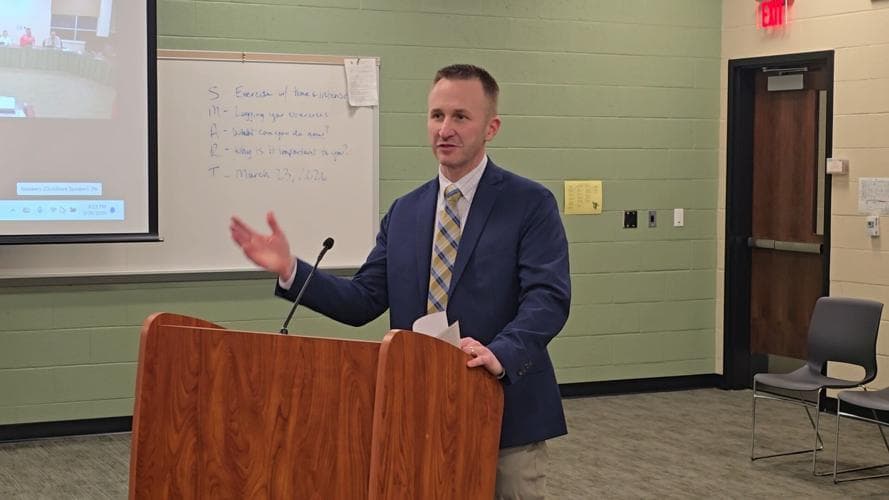
Lewisburg classroom eel program continues hands-on science lessons
Lewisburg Area students raised eels after Labor Day, fed them stream-caught macroinvertebrates and released them to a local stream.
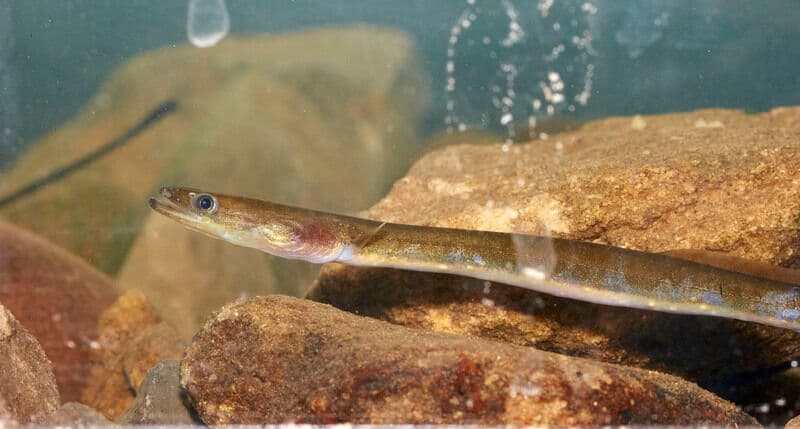
Lewisburg Area School District kept its eels-in-the-classroom program going, giving students a live look at one of the Susquehanna River Basin’s most closely watched restoration species. In Lewisburg, the historic borough on the banks of the Susquehanna River in Union County, the project turns a classroom tank into a lesson about waterways, habitat and migration.
The Susquehanna River Basin Commission describes Eels in the Classroom as an environmental education program. Its timeline says eels are dropped off in classrooms after Labor Day, then students collect benthic macroinvertebrates from streams in early fall to feed them. The eels grow through the school year, and teachers release them back into a local stream at the end of the school year so they can continue their migration journey.
The science behind the program centers on the American eel, a catadromous fish that begins its life in the little-known Sargasso Sea. The commission says American eels were once among the Susquehanna River’s most common fish species before large hydroelectric dams blocked upstream migration in the early 20th century and nearly wiped them out in the basin.
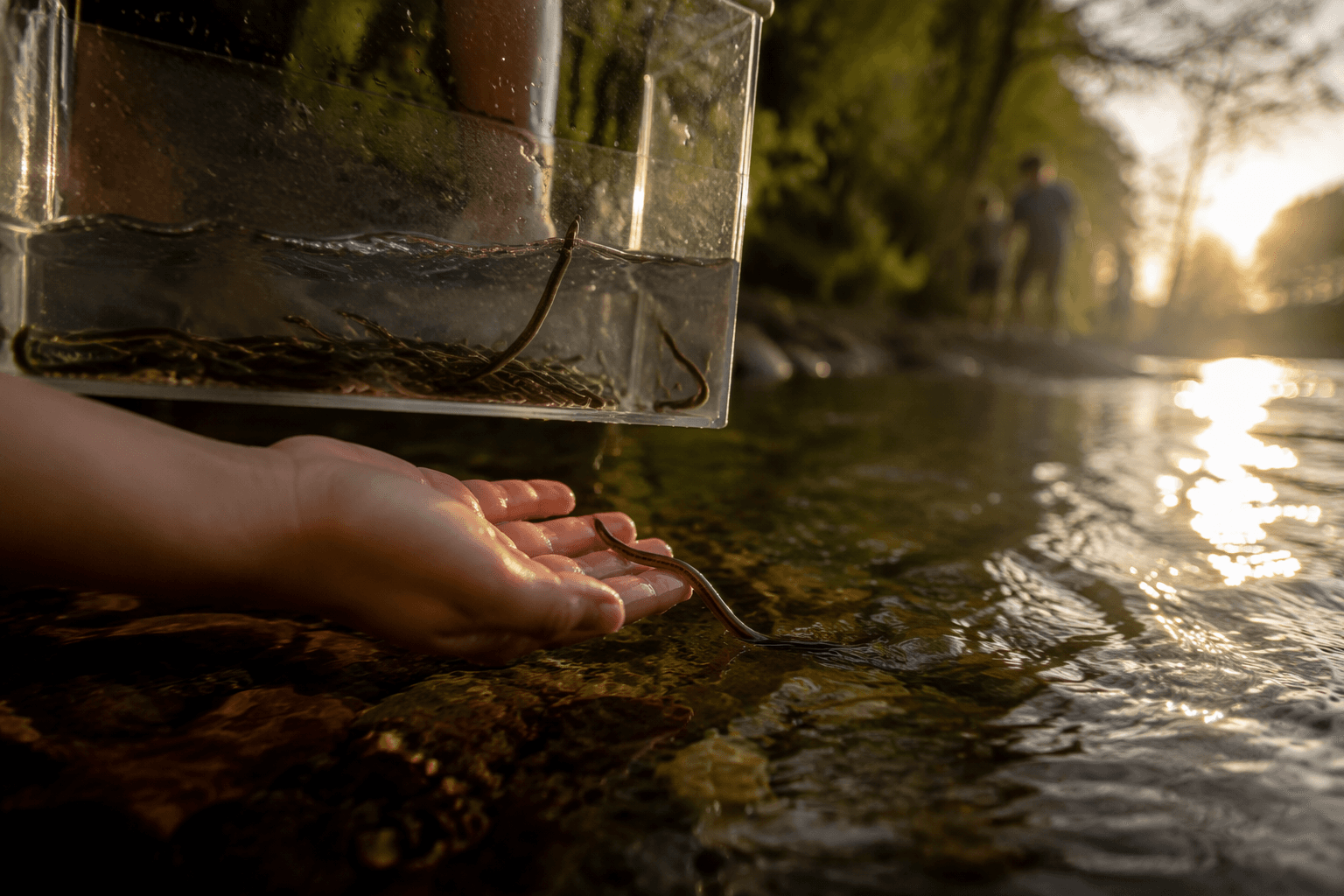
That decline is part of why the program has lasted. The commission says 2.5 million juvenile eels have been trapped since 2005 at the Conowingo Dam on the Susquehanna and at a dam on Octoraro Creek, then released back into the river at various locations. The Susquehanna River Anadromous Fish Restoration Cooperative approved the American Eel Restoration Plan for the Susquehanna River Basin on Dec. 5, 2013, and the commission says it has actively monitored American eel restoration in the basin since 2015.
For Lewisburg students, the work is hands-on in a way that connects directly to the Susquehanna watershed. They are not only watching a native species grow in the classroom, but also learning how stream insects become food, how dams altered fish movement and how local streams fit into a much larger restoration effort. When the eels are returned to a local stream, the lesson leaves the classroom and reenters the river system that shaped Lewisburg in the first place.
This article was produced by Prism’s automated news system from verified source data, official records, and press releases, then run through automated quality and moderation checks before publishing. The system is built and supervised by the people who set the standards it runs under. Read our full AI policy.
Did this article answer your question?