Mifflinburg Buggy Museum Drives Cultural Tourism and Community Health
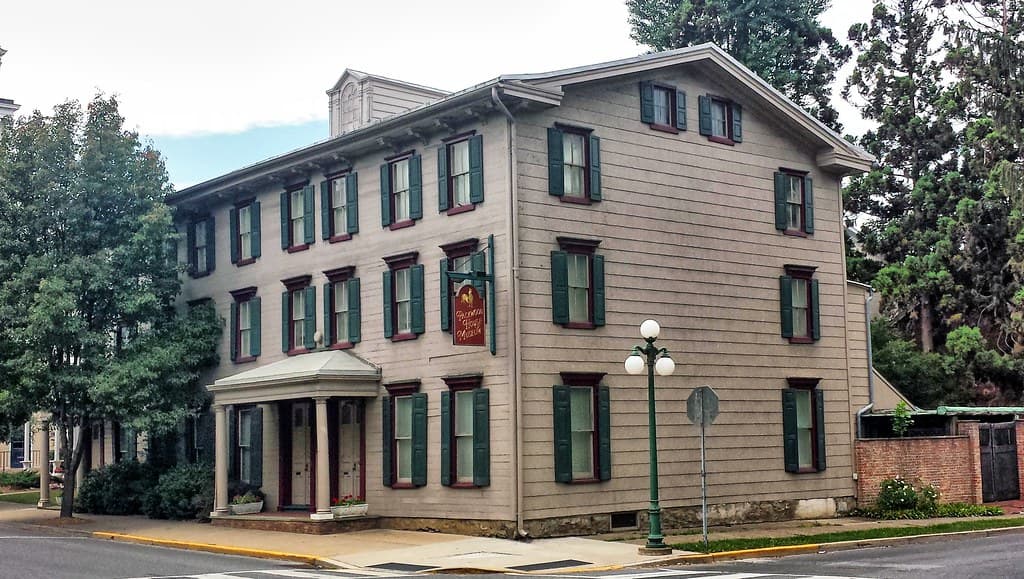
The Mifflinburg Buggy Museum in the West End of Union County preserves late-19th and early-20th century buggies and sleighs and keeps alive the borough’s legacy as a carriage and buggy manufacturing center once nicknamed "Buggytown, USA." Its rotating exhibits, school programming and ties to events such as the annual Christkindl Market make the museum an anchor for local cultural tourism with implications for education, economic stability and community well-being.
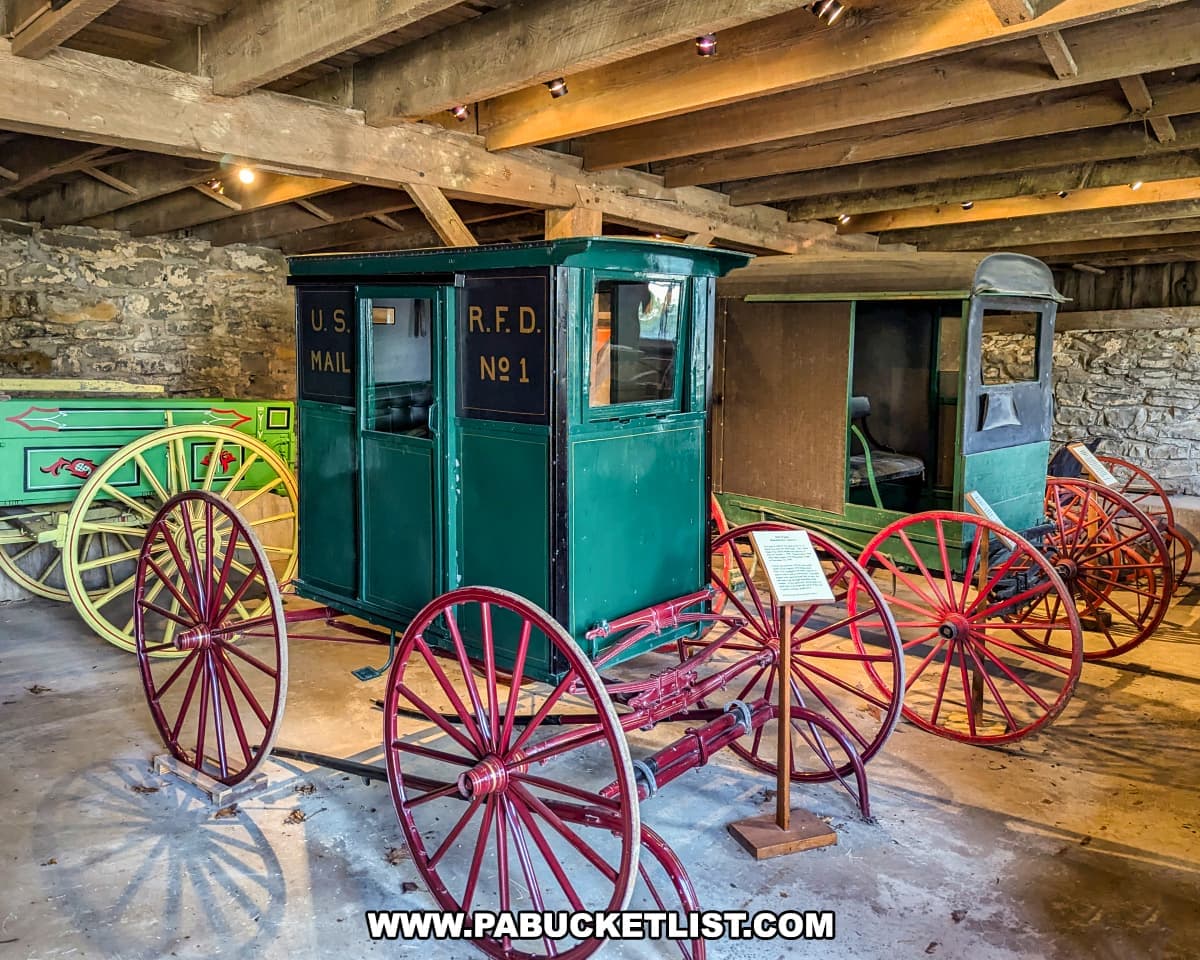
The Mifflinburg Buggy Museum remains a focal point of cultural life in the West End of Union County, preserving a collection of late-19th and early-20th century buggies and sleighs that reflect the borough’s historic role as a carriage and buggy manufacturing center. Known historically as "Buggytown, USA," Mifflinburg’s industrial past is interpreted through rotating exhibits, seasonal tours and local history programs that draw residents and visitors alike.
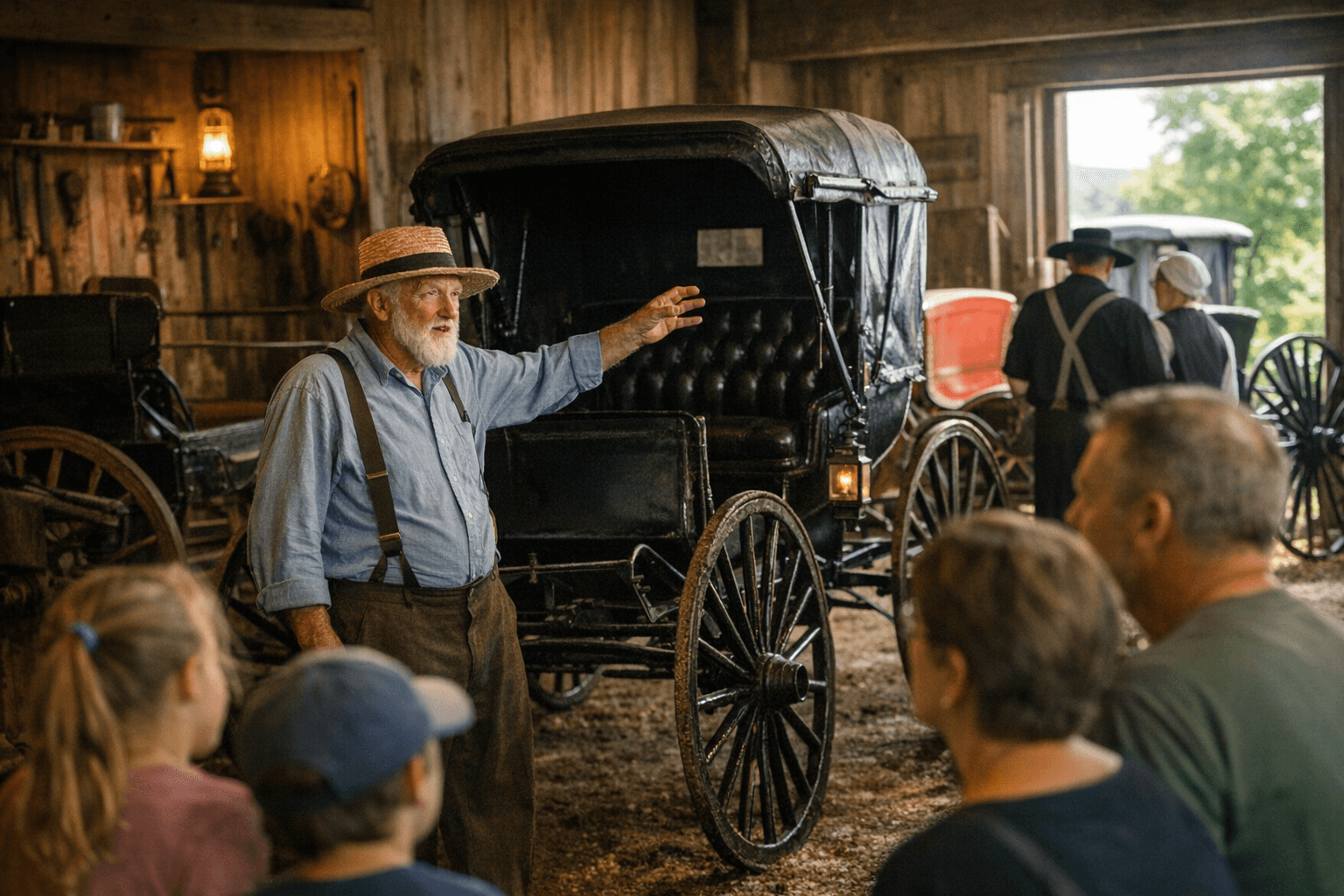
The museum’s educational programming for schools connects students with local history, offering classroom teachers a tangible way to discuss industry, craftsmanship and community development. Tied into community events such as the annual Christkindl Market, the museum also plays a role in local tourism circuits that bring foot traffic to downtown businesses and seasonal vendors.
Beyond heritage preservation, the museum’s presence has public health and social equity dimensions. Cultural institutions contribute to determinants of health by supporting local economies, creating jobs, offering learning opportunities for youth and fostering social cohesion. Participation in community events and shared cultural experiences can reduce social isolation and support mental well-being, particularly in rural and semi-rural areas where organized public spaces are limited.
At the same time, access remains a concern for equitable benefit. Transportation barriers, school budget constraints and physical accessibility can limit who participates in museum programming. Ensuring that students from lower-income households and residents without reliable transportation can attend exhibits and events requires deliberate outreach and coordination between the museum, school districts, social service agencies and local government.
For policymakers and community planners, the museum highlights opportunities to integrate cultural institutions into broader economic and public health strategies. Investment in transit links, school partnerships, outreach funding and inclusive programming can extend the museum’s reach and multiply its benefits for community health and resilience. Coordinated support also helps small businesses that rely on visitor spending during seasonal events.
As Union County looks to strengthen the West End’s economic and social fabric, the Mifflinburg Buggy Museum is more than a repository of artifacts. It is an active community asset whose programs intersect with education, local commerce and well-being. Prioritizing equitable access and cross-sector partnerships will help ensure that the museum’s cultural and health-promoting value is shared across the community.
This article was produced by Prism’s automated news system from verified source data, official records, and press releases, then run through automated quality and moderation checks before publishing. The system is built and supervised by the people who set the standards it runs under. Read our full AI policy.
Did this article answer your question?