Mifflinburg Buggy Museum preserves rare carriage factory, Union County history
The Mifflinburg Buggy Museum protects the nation’s only intact 19th-century carriage factory open to the public, turning Union County history into a living local asset.
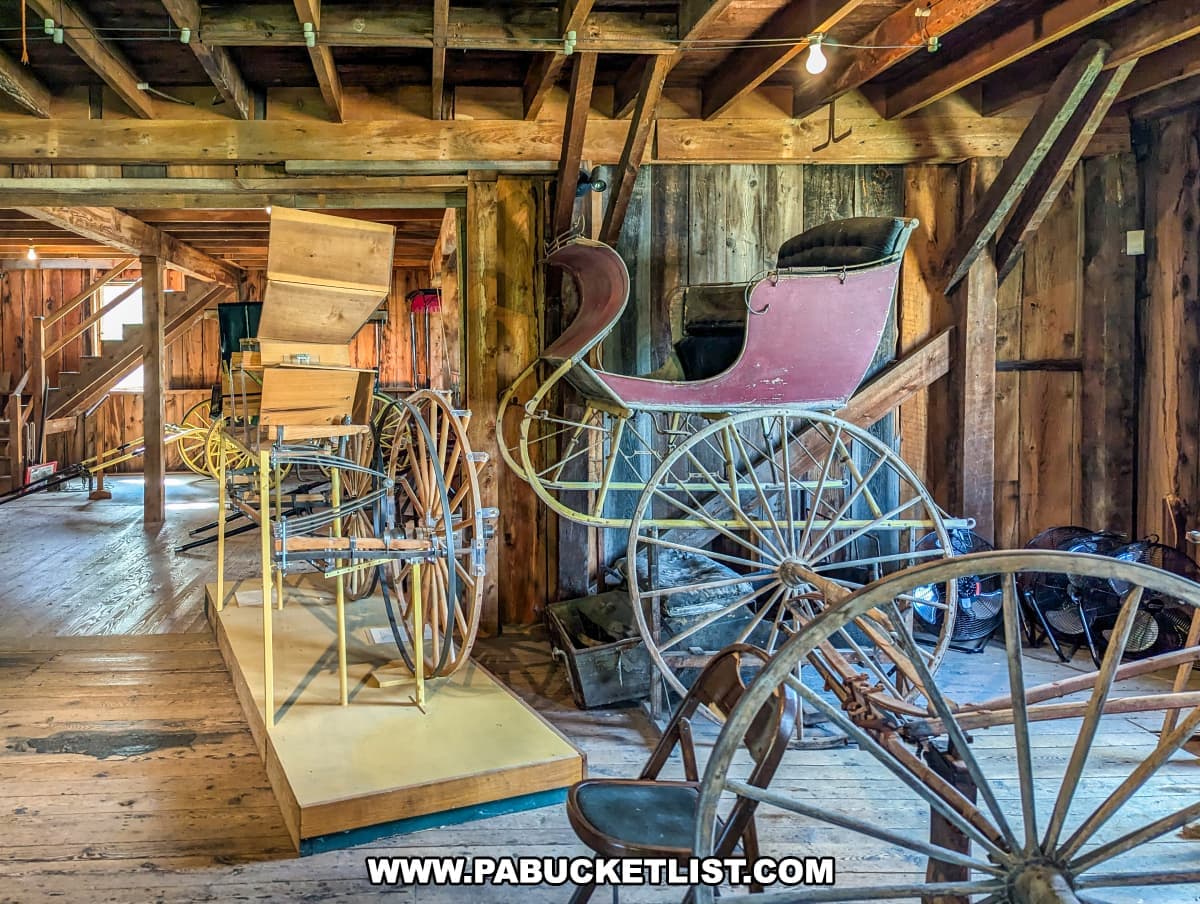
The Mifflinburg Buggy Museum is not just another heritage stop in central Pennsylvania. It preserves the only intact 19th-century carriage factory open to the public in the United States, making a small borough in Union County one of the clearest places left to see how horse-drawn transportation was built, sold and lived with in the industrial age.
A rare place you can only experience in Mifflinburg
What sets the museum apart is its scale of survival. Visitors do not just see a display of old vehicles, they move through a preserved historic complex that includes the Heiss family home, a reconstructed carriage house, the original buggy factory, the original showroom and a modern visitor center. That combination lets the site tell a fuller story than a single exhibit room could ever manage.
The museum’s significance reaches beyond nostalgia. In an era when so many small-town factories have vanished or been converted beyond recognition, this complex still shows the working and social world that supported carriage making. That rarity matters economically and culturally because it gives Mifflinburg a destination that cannot be duplicated elsewhere, one that draws people interested in history, field trips, family outings and the region’s transportation legacy.
Why Mifflinburg became Buggy Town, USA
Mifflinburg’s buggy story begins long before the museum. The borough started as two villages, Youngmanstown and Greenville, which were known together as Mifflingsburgh by 1803 and officially became Mifflinburg in 1827. Buggy making arrived in 1845, and from there the trade took hold with unusual force.
Local heritage material says more than 80 coach makers operated in Mifflinburg over the next 84 years. Those producers made about 5,000 vehicles a year and sold them nationally, a reminder that this was not a backwater craft shop but a serious manufacturing center. That scale helps explain why the borough earned the nickname Buggy Town, USA, and why its history still carries weight in Union County today.
The Heiss family complex and the factory that survived
The museum’s historic core centers on the William A. Heiss family complex. William A. Heiss manufactured carriages, wagons and sleighs from 1883 to 1920, part of a crowded local industry in which a historical marker says he operated one of about ninety separate buggy factories in Mifflinburg.
After William Heiss died in 1931, the building was used for storage until its contents were rediscovered nearly 50 years later. That rediscovery became crucial. In 1979, the historic importance of the three-building complex was confirmed when it was placed on the National Register of Historic Places, giving formal recognition to what local history had preserved in place.
The museum’s claim to national importance rests on that survival. The site is described as preserving the only intact 19th-century carriage factory open to the public in the United States. For a small Union County borough, that distinction matters. It means the museum is not simply preserving local memory, but safeguarding a national industrial story that would be difficult, if not impossible, to reconstruct elsewhere with the same authenticity.
What visitors see inside the museum
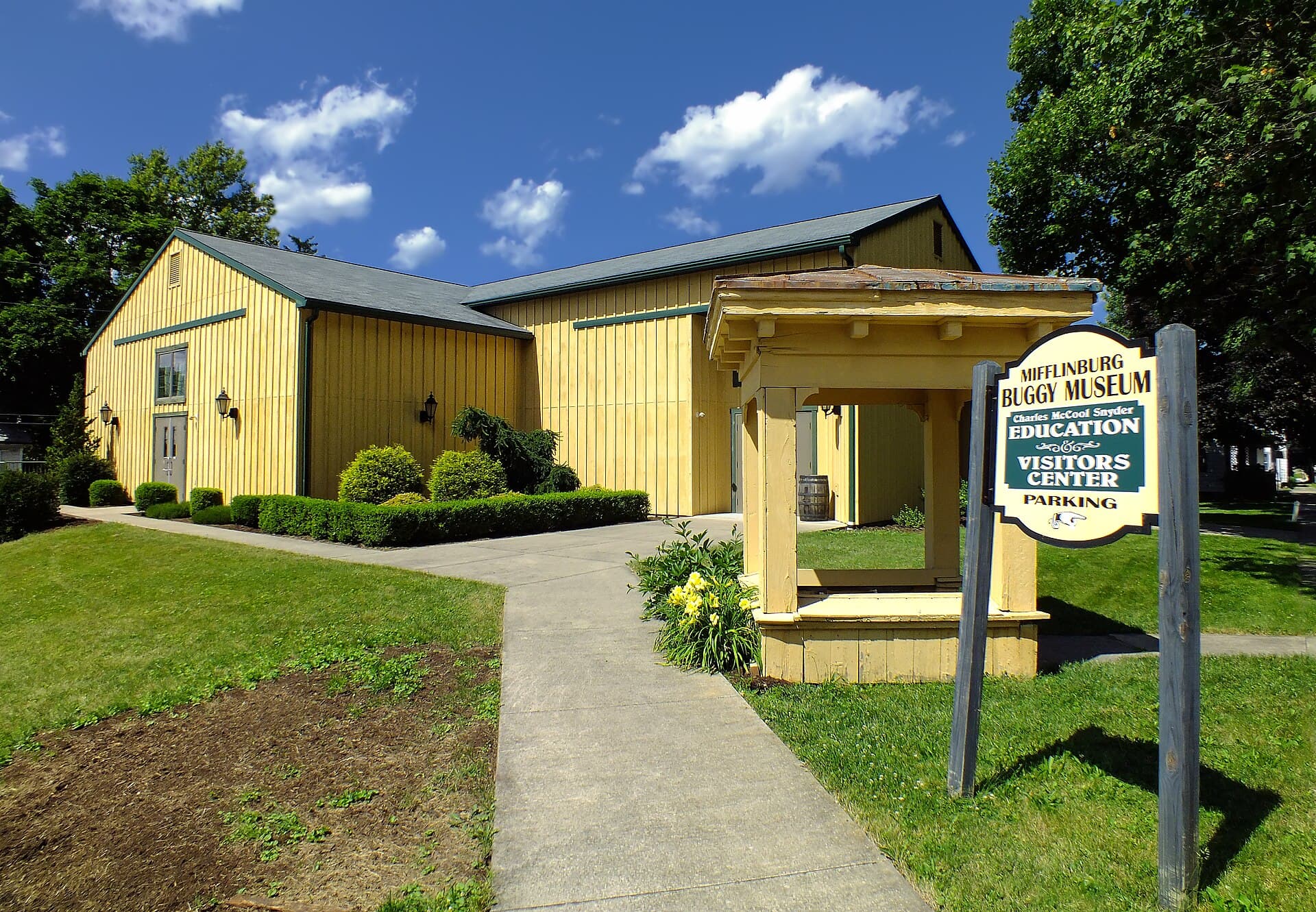
The modern visitor experience is designed to make the history tangible. The visitor center includes an introductory video, permanent and changing exhibits, a self-guided exhibit, a hands-on workbench, a gift shop and restrooms. That mix gives the museum a practical edge: it works as both a serious interpretive site and an easy stop for families and casual travelers moving through central Pennsylvania.
The museum also emphasizes guided tours through the Heiss family home, the reconstructed carriage house, the original buggy factory and the original showroom. That layout matters because it places the business, the household and the workspaces side by side. Visitors can see how carriage production shaped not just one trade, but an entire local way of life.
The museum’s exhibits and workbench are especially valuable for younger visitors and school groups because they connect the finished vehicles to the craftsmanship behind them. Instead of treating buggies as static antiques, the site shows the labor, tools and decisions that went into making them.
Why the museum matters to Union County now
For Union County, the museum is more than a tourist stop. It is one of the county’s few truly distinctive identity assets, a place that gives Mifflinburg a story visitors cannot get by stopping at a generic historic marker or a broader regional museum. It links the borough’s present to a time when local manufacturing reached well beyond county lines and helped define Pennsylvania’s place in transportation history.
That also raises the stakes for preservation. If local support fades, the county risks losing one of its strongest one-of-a-kind attractions, along with the economic spillover that comes from visitors who eat, shop and spend time in town. More important, it would weaken the visible connection between today’s Mifflinburg and the craft labor that made the borough nationally known.
The museum’s value lies in what it keeps intact: a working-class industrial landscape, a family complex, and the evidence that a small borough once produced thousands of vehicles a year for customers far beyond Union County. That is not a generic heritage tale. It is a rare, place-specific record of how the region helped move America before the automobile era.
Planning a visit
The museum is located at 598 Green Street, Mifflinburg, PA 17844. Its regular schedule runs seasonally from spring through fall, with special tours and events in winter. That seasonal rhythm keeps the site connected to community life while also making room for visitors who want to see one of central Pennsylvania’s most unusual historic resources up close.
Anyone who steps inside finds more than buggies and carriages. They find the surviving workshop of an industry that once shaped Union County, and a reminder that the county’s history is still visible when preservation holds.
This article was produced by Prism’s automated news system from verified source data, official records, and press releases, then run through automated quality and moderation checks before publishing. The system is built and supervised by the people who set the standards it runs under. Read our full AI policy.
Did this article answer your question?