Mifflinburg seeks $8.1 million PENNVEST funding to curb sewer rate hikes
Mifflinburg’s $8.083 million sewer financing bid could decide whether households see rate relief or another jump. Leaders face a July 29 PENNVEST deadline.
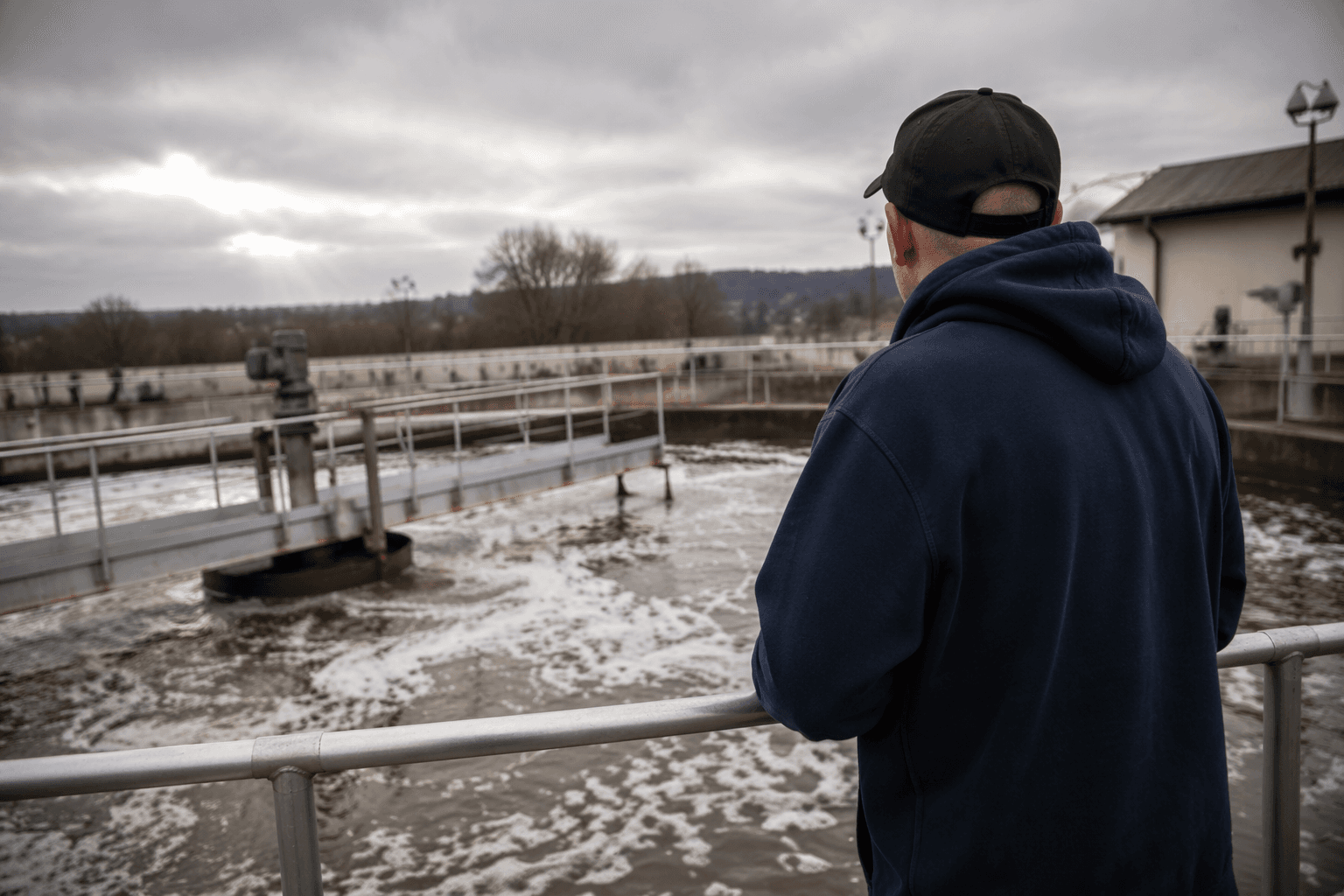
Mifflinburg Borough took another pass at a funding request that could shape what sewer customers pay next. If the borough secures the $8,083,000 it is asking from PENNVEST, officials may be able to soften or avoid a rate increase; if the request falls short again, more of the cost could land on households and businesses.
Project Manager Rob Rowe said the filing deadline is July 29, putting a hard clock on the borough’s effort to line up outside financing before more of the burden shifts locally. The resubmission signals that Mifflinburg’s sewer system still needs substantial investment and that borough leaders are still searching for the most affordable way to pay for it.
PENNVEST, Pennsylvania’s financing program for drinking water, wastewater, stormwater and non-point source projects, was authorized under the Pennsylvania Infrastructure Investment Authority Act of March 1, 1988. The program is often used by municipalities that need major infrastructure work but cannot absorb the full cost through sewer rates alone, making it a critical backstop for towns like Mifflinburg.
That need has already been visible in the borough’s recent sewer work. In 2025, Mifflinburg issued public bid notices for the Market Street Sewer Project and for the Woodland Estate Sewer Main Replacement Project, showing that the system has required phased work in more than one part of town. Separate borough notices also said the sewer system was receiving requests for available sewer EDU connections, a sign that capacity and system management have remained active concerns.
The borough had also been patching together help from other sources. In September 2024, officials said they would use the last of Mifflinburg’s ARPA funds to repair sewer pipes, another indication that the work has been treated as essential infrastructure rather than optional improvement. Local public-notice language has also tied some sewer construction to state or federal wage rules and grant funding requirements, reinforcing that these are public projects with costs that must be managed carefully.
For residents, the stakes are practical. Sewer systems are largely out of sight, but when they need repair or replacement, the question quickly becomes who pays. A successful PENNVEST package could give Mifflinburg breathing room and help keep bills stable. Another rejection would likely push the borough closer to passing more of the expense to ratepayers, making the financing decision as important as the pipes themselves.
This article was produced by Prism’s automated news system from verified source data, official records, and press releases, then run through automated quality and moderation checks before publishing. The system is built and supervised by the people who set the standards it runs under. Read our full AI policy.
Know something we missed? Have a correction or additional information?
Submit a Tip