Protests erupt in Lewisburg over memorial relocation
Lewisburg moved the Purple Heart Memorial 50 feet on Market Street, and protests followed as veterans challenged the borough's decision near Memorial Day.
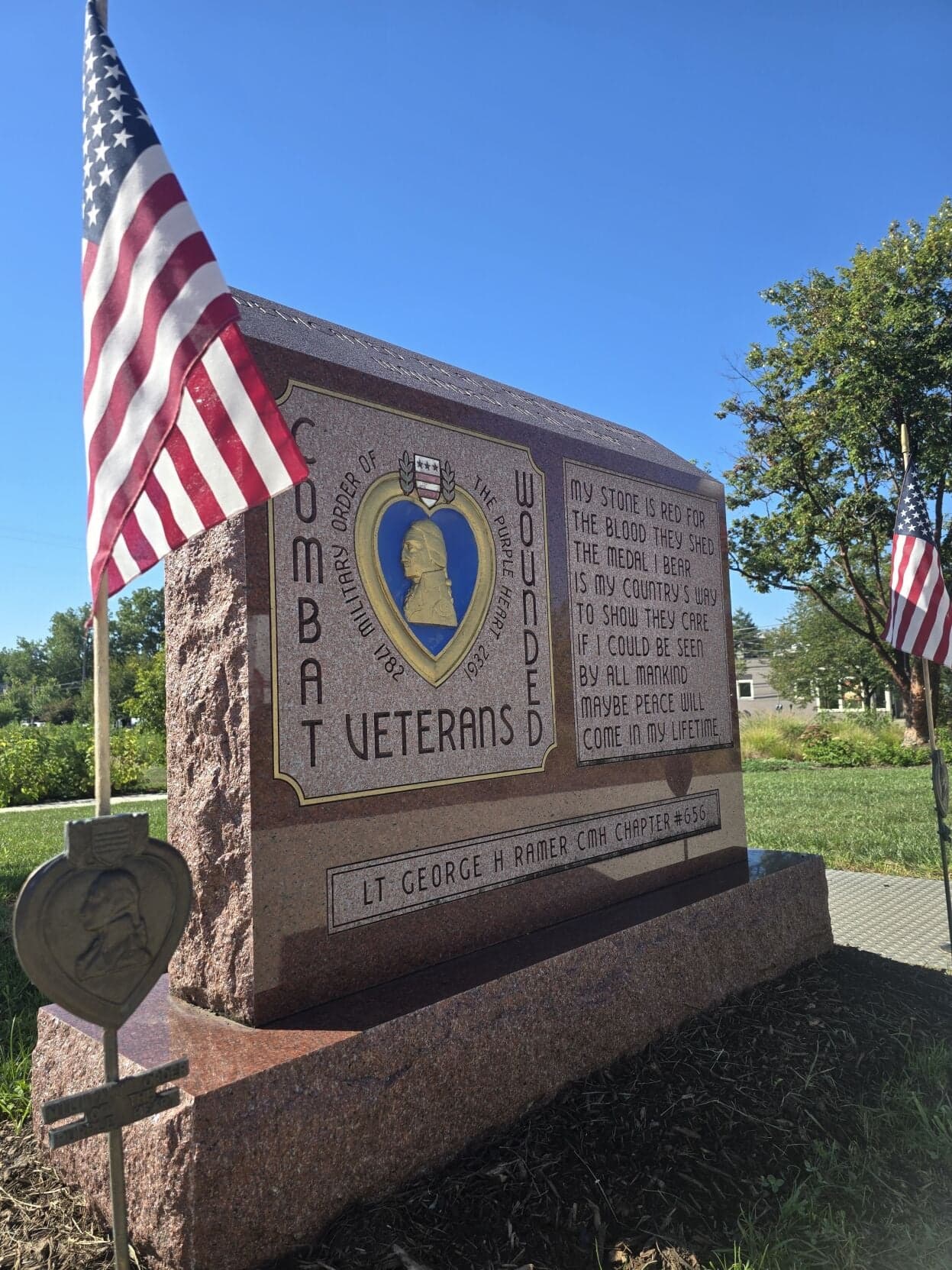
Lewisburg Borough Council approved moving the Purple Heart Memorial 50 feet on Market Street, and the decision drew protests from veterans and other residents who saw the shift as poorly handled and insufficiently explained.
The monument was tied to a bus stop project, and Board Vice President Bina said the new location would be a “nicer and more prominent space” closer to the American flagpole. The move shifted the memorial away from its original spot and into a more visible position, but it also raised immediate questions about who weighed the change, what public input came before the vote, and how much say veterans had in a symbol meant to honor military service.
The backlash was especially sharp right before Memorial Day, when a report said veterans were angered by the plan. In Lewisburg, where people notice changes along Market Street and in the downtown core, even a 50-foot relocation carries more weight than a simple landscaping decision. The borough’s downtown commercial district and adjacent neighborhoods are listed on the National Register of Historic Places, and that historic setting has made the memorial’s placement part of a broader argument over how public spaces should be used and remembered.
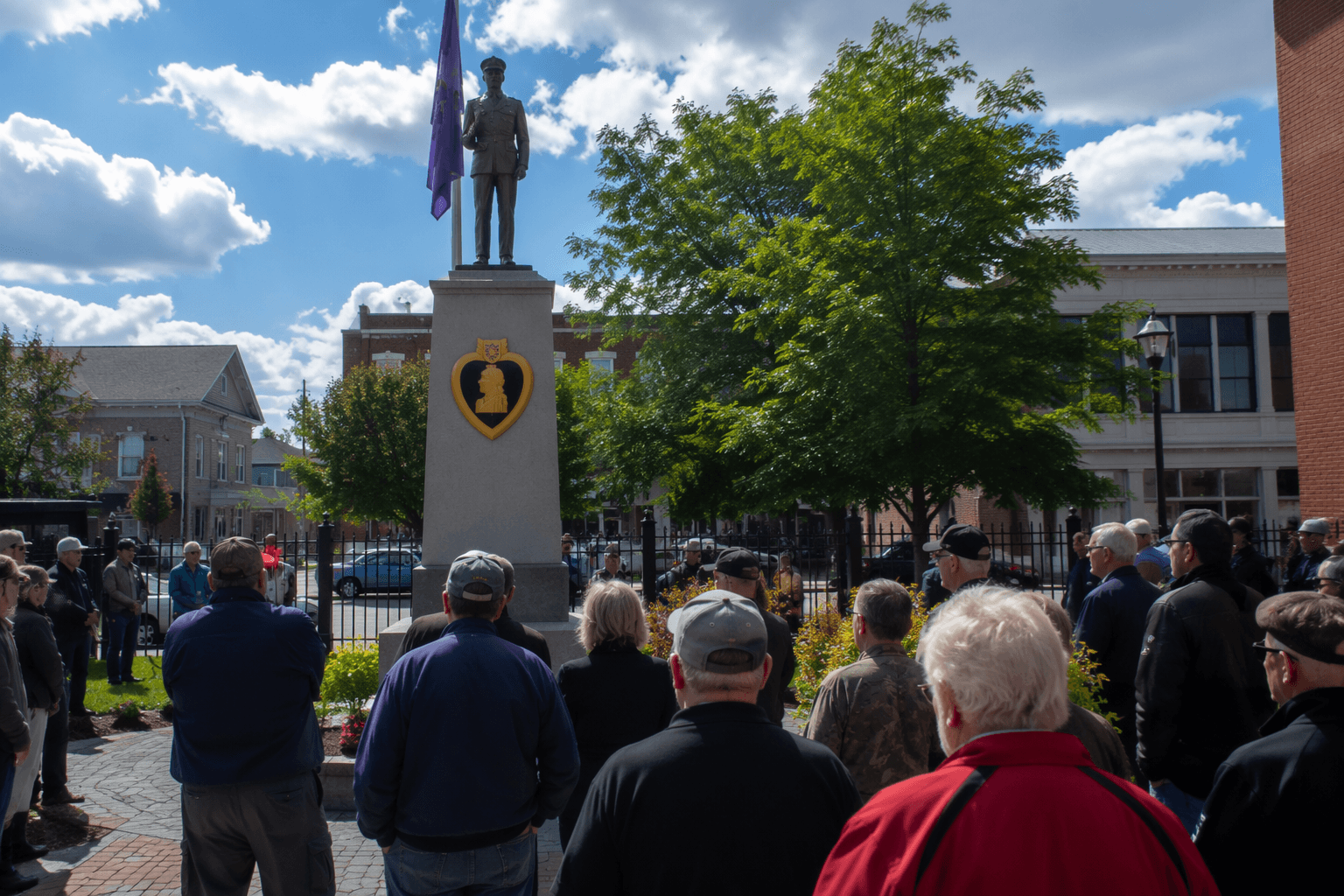
The dispute also touched a deeper local tradition of veterans’ recognition. Union County holds an annual Veterans 4th of July Celebration and parade, and the Purple Heart Memorial sits within that civic landscape of remembrance and service. For some residents, moving the monument suggested a practical borough project. For others, it looked like municipal authority overriding the meaning attached to a visible public marker.
A later report said the dispute over the Purple Heart Memorial’s placement continued after the move, showing that the controversy did not end once the monument was reset closer to the flagpole. In Lewisburg, the issue became less about one object’s location than about trust in how borough leaders handle decisions that change the town’s public memory.
This article was produced by Prism’s automated news system from verified source data, official records, and press releases, then run through automated quality and moderation checks before publishing. The system is built and supervised by the people who set the standards it runs under. Read our full AI policy.
Did this article answer your question?