SUN Area Tech Students Restore Historic Vehicles, Strengthen Local Workforce
Students at SUN Area Technical Institute in New Berlin have completed ongoing career-technical projects, including restoration work on historically significant vehicles tied to Mifflinburg’s manufacturing past. The hands-on training supports local nonprofits and historical organizations while advancing workforce-ready skills that matter for Union County’s economy and public policy priorities.
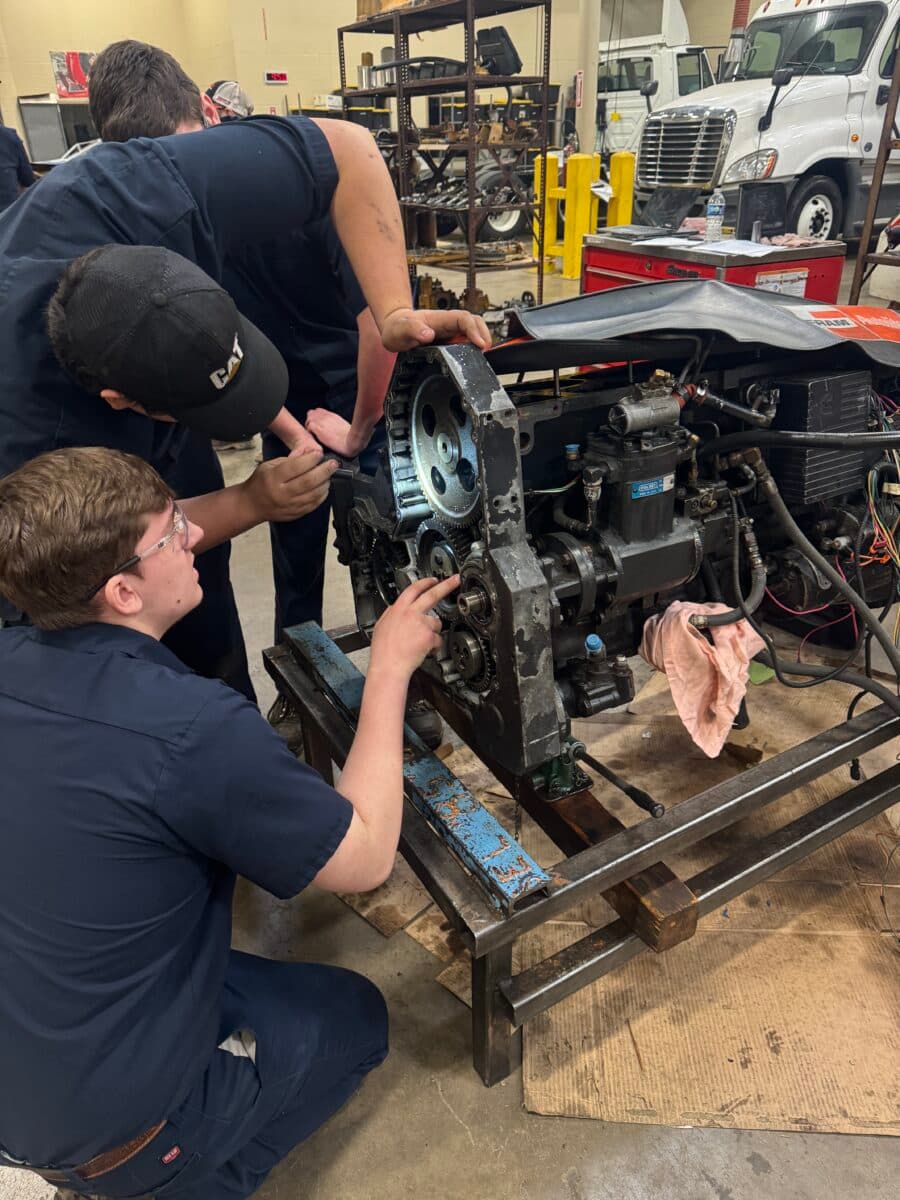
On January 2, 2026, SUN Area Technical Institute displayed ongoing career-technical education work that merges vocational training with community preservation in Union County. Collision-repair and related programs at the New Berlin campus are using real restoration projects to teach practical skills, connecting students to the region’s industrial heritage and local nonprofit partners.
The student projects include restoration of historically significant vehicles tied to Mifflinburg’s manufacturing past, providing trainees with applied experience in metalwork, body repair, paint matching and project management. Those projects serve dual purposes: they give students portfolio-quality work and they supply local historical organizations and nonprofits with restored artifacts that help preserve and interpret the community’s manufacturing story.
The program’s value is both educational and civic. For students the hands-on curriculum creates direct pathways into skilled trades, shortens the distance between classroom learning and employment, and builds competencies that local employers consistently seek. For local institutions the work reduces restoration costs, enhances exhibits and fosters partnerships that knit the technical institute into the county’s cultural and economic ecosystem.
The projects also carry policy implications for Union County officials and education leaders. Career-technical programs that produce measurable workforce outcomes strengthen the case for stable funding at the school-district and county levels and for closer coordination with regional economic development plans. Elected officials and school board members who decide budget priorities face a choice about investing in programs that demonstrably connect graduates to local jobs and community assets. Greater transparency about outcomes, placement rates and partnerships would help voters evaluate those decisions at the ballot box and in public forums.
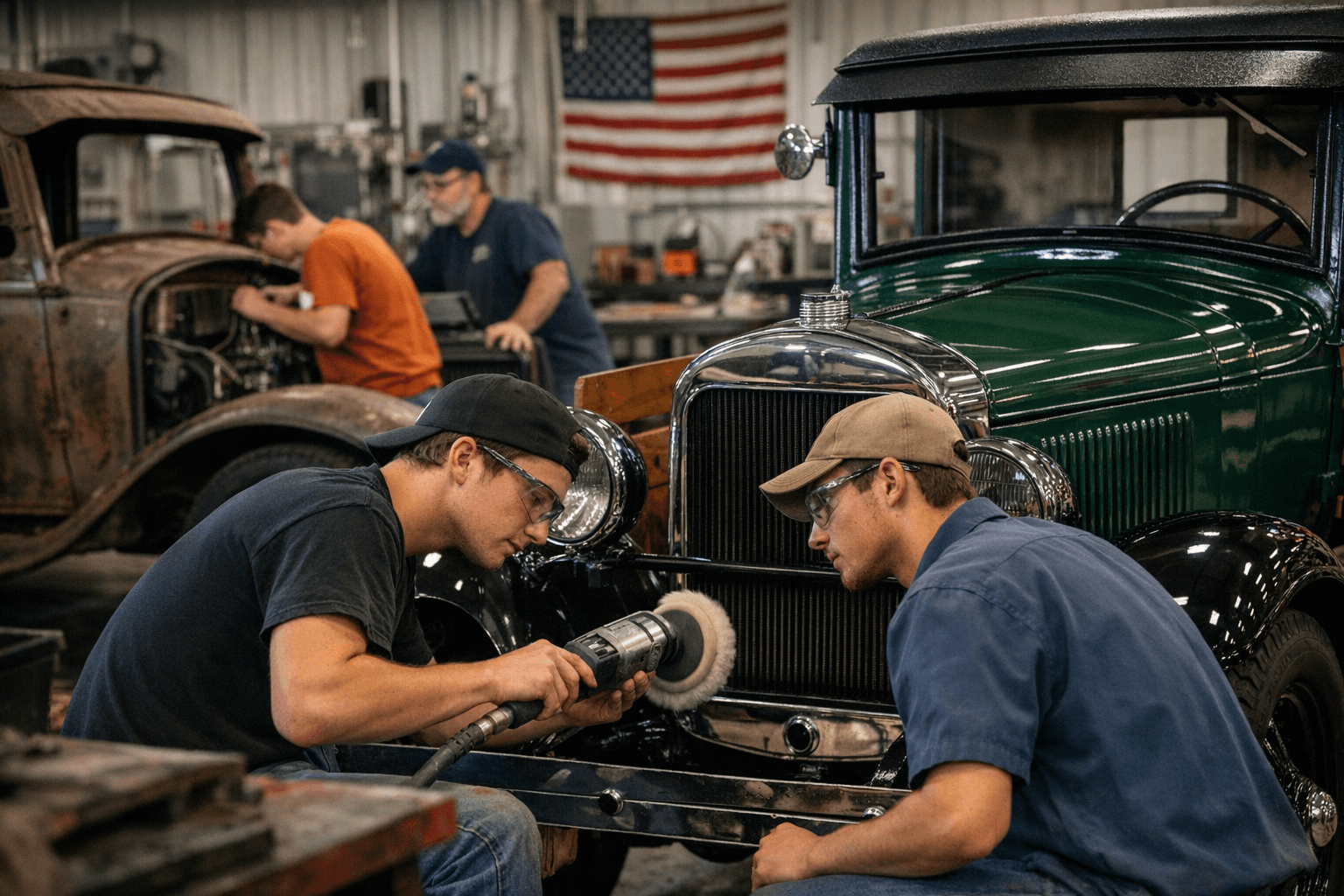
Institutionally, SUN Area Technical Institute’s model underscores the role of vocational education in a balanced educational system. By aligning instructional projects with community needs, the institute creates accountability to local stakeholders and offers a replicable template for other districts seeking to boost civic engagement through practical education. Community organizations that benefit from the restorations gain a tangible incentive to support student learning and to participate in workforce planning conversations.
For Union County residents, the immediate impacts are visible: preserved local history, students earning marketable skills, and nonprofit partners receiving restored items that enrich public displays. Longer term, a steady pipeline of skilled workers can attract employers, reduce commuting pressures and anchor economic activity locally. As policymakers weigh education and economic development choices, programs like SUN Area Technical Institute’s collision-repair projects provide concrete evidence of how vocational training can serve both learners and the wider community.
Know something we missed? Have a correction or additional information?
Submit a Tip