SUN Tech Students Restore 1927 Model T for Local Museum
SUN Area Technical Institute collision-repair students in New Berlin collaborated with the Mifflinburg Buggy Museum to restore a 1927 Ford Model T Country Club/Suburban built by the Mifflinburg Body Company. The project preserved a tangible piece of local manufacturing history while giving students hands-on training and highlighting the role of vocational education in community heritage and workforce development.
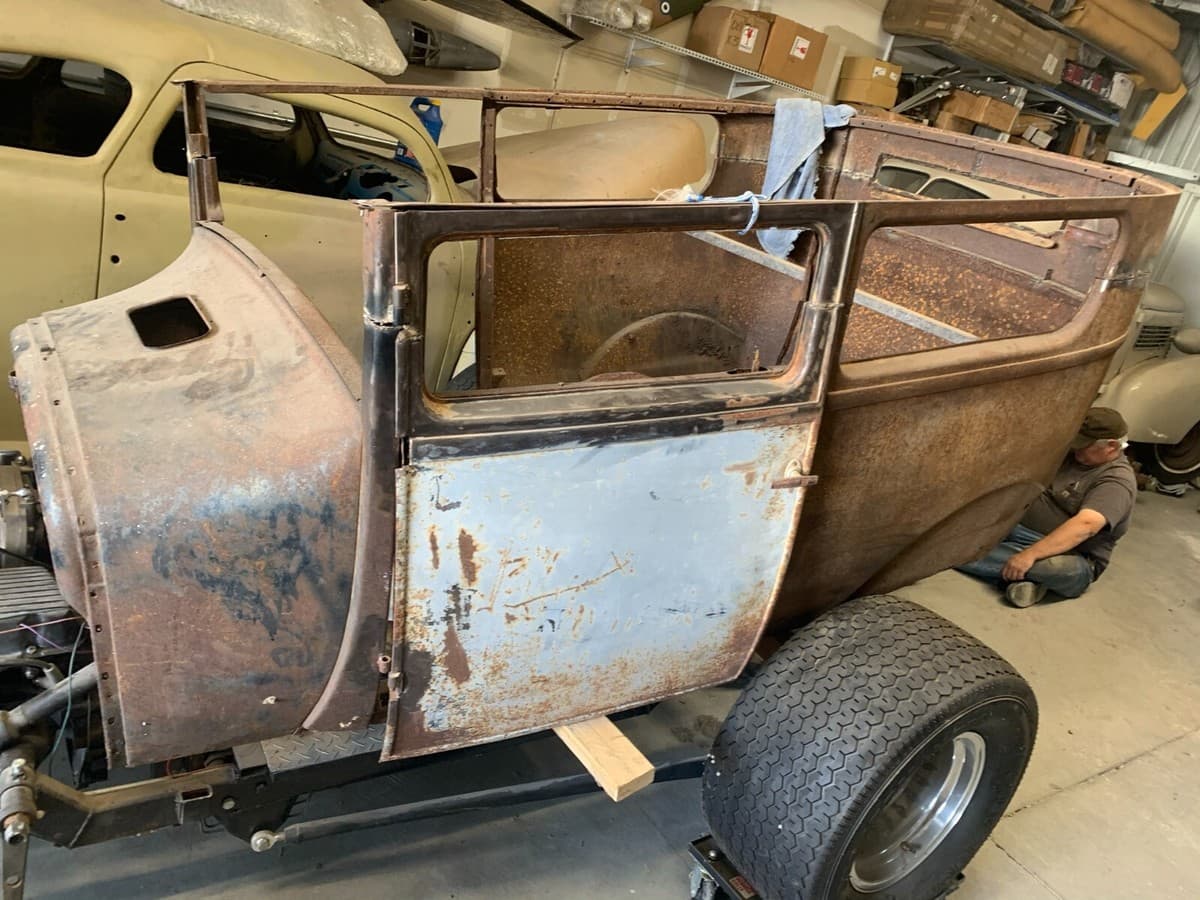
On January 2, 2026, students in the Collision Repair Technology program at SUN Area Technical Institute in New Berlin completed a collaborative restoration of a 1927 Ford Model T Country Club/Suburban that was originally constructed by the Mifflinburg Body Company. The vehicle will be preserved by the Mifflinburg Buggy Museum as part of the borough’s industrial and transportation history.
The project was led by Jon Reeder, Collision Repair Technology instructor at SUN Tech, and engaged students in tasks typical of modern collision-repair work, including body straightening, surface preparation, metalwork and finishing. Beyond technical skills, the restoration required project planning, documentation and coordination with museum staff, giving students experience in preservation standards and working with community stakeholders.
The vehicle’s provenance links directly to Mifflinburg’s past as a center for buggy manufacturing and coachbuilding. Returning the Model T to museum care preserves a physical artifact of that manufacturing legacy and strengthens the Buggy Museum’s collection, which supports local tourism and civic identity. For Union County residents, the restored car offers a tangible connection to the borough’s industrial roots and enhances the museum’s ability to tell the story of regional transportation and craftsmanship.
Institutionally, the partnership illustrates how career and technical education programs can serve dual community functions: training a skilled workforce while contributing to cultural preservation. The project underscores the practical value of sustained funding for vocational programs, the benefits of hands-on learning for student employability, and the potential for school-museum collaborations to expand public access to local history. Local budget decisions and school board priorities that affect vocational program capacity can therefore have ripple effects on both economic development and cultural preservation.
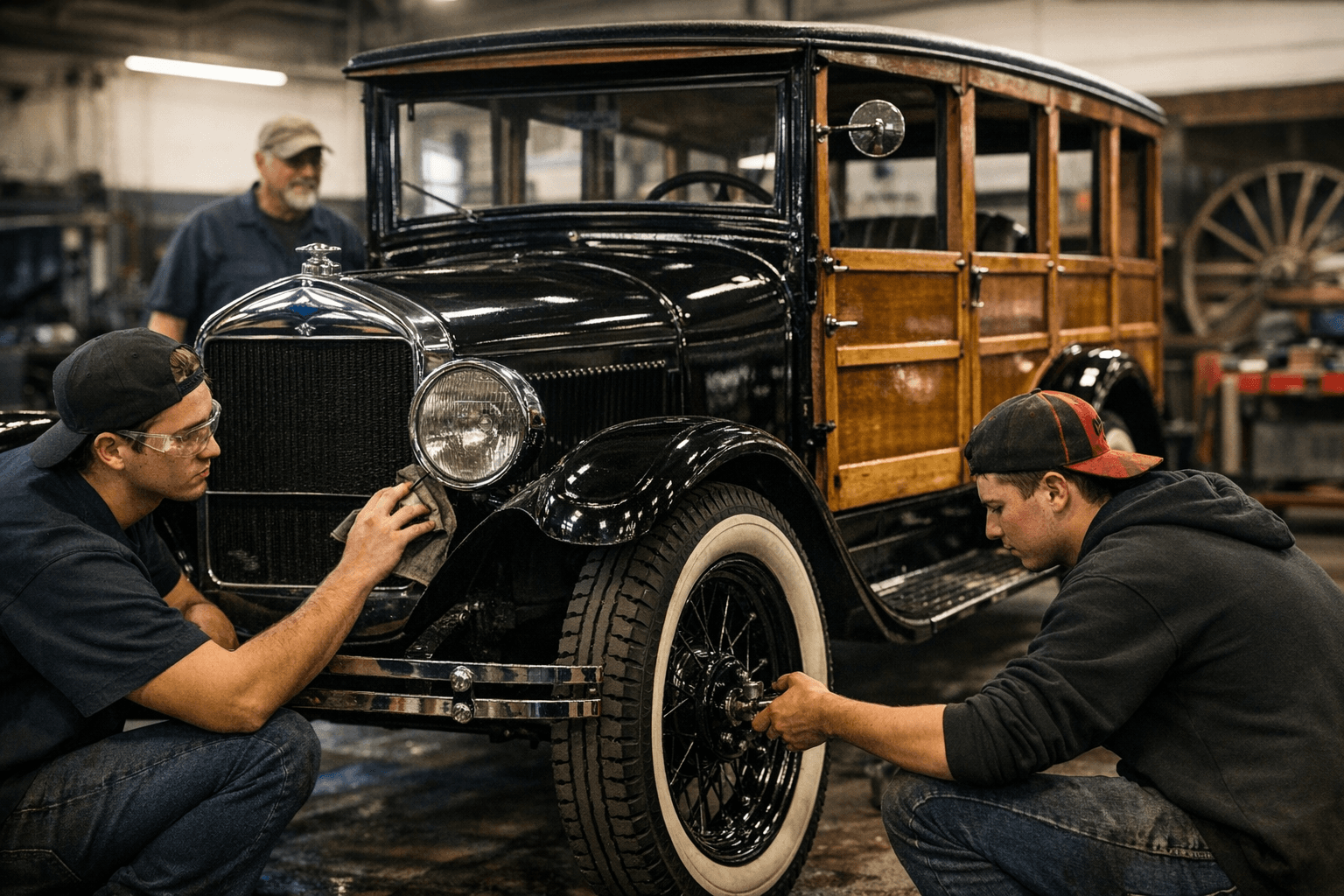
The restoration also creates civic engagement opportunities. Museum exhibitions, public displays and school-led outreach can bring residents into the preservation process and broaden support for technical education. Municipal and county leaders may view similar partnerships as low-cost investments that yield workforce-ready graduates and bolster small-scale cultural tourism.
As the restored Model T enters the Mifflinburg Buggy Museum collection, the project stands as a case study in how technical instruction and community institutions can cooperate to preserve history while preparing students for careers. For voters and policymakers in Union County, the work highlights choices about resource allocation for vocational training, museum support and local heritage initiatives that shape both present opportunities and the preservation of the past.
Know something we missed? Have a correction or additional information?
Submit a Tip