Transitions of PA Served 442 Union County Residents in Past Year
Transitions of PA served 442 Union County residents last year, a hidden crisis caseload pressing for more shelter beds, counselors, and county funding.
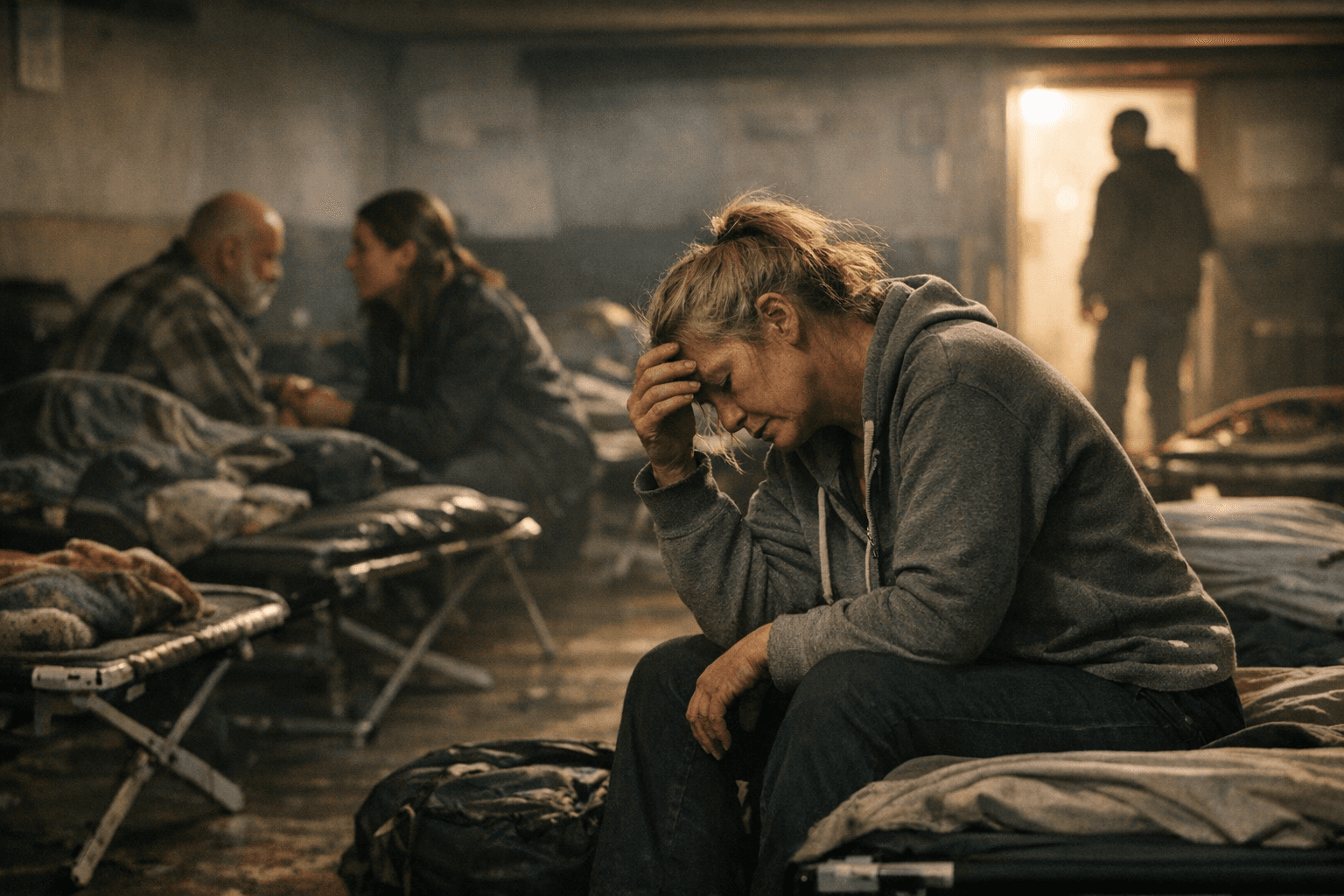
442 Union County residents turned to Transitions of PA over the past 12 months for crisis intervention, shelter, legal advocacy, or counseling tied to domestic violence, sexual assault, stalking, or human trafficking. That caseload, drawn from a single county in the organization's three-county service region, positions the Lewisburg nonprofit as Union County's primary safety net for survivors and places measurable pressure on the county and state systems that fund and partner with it.
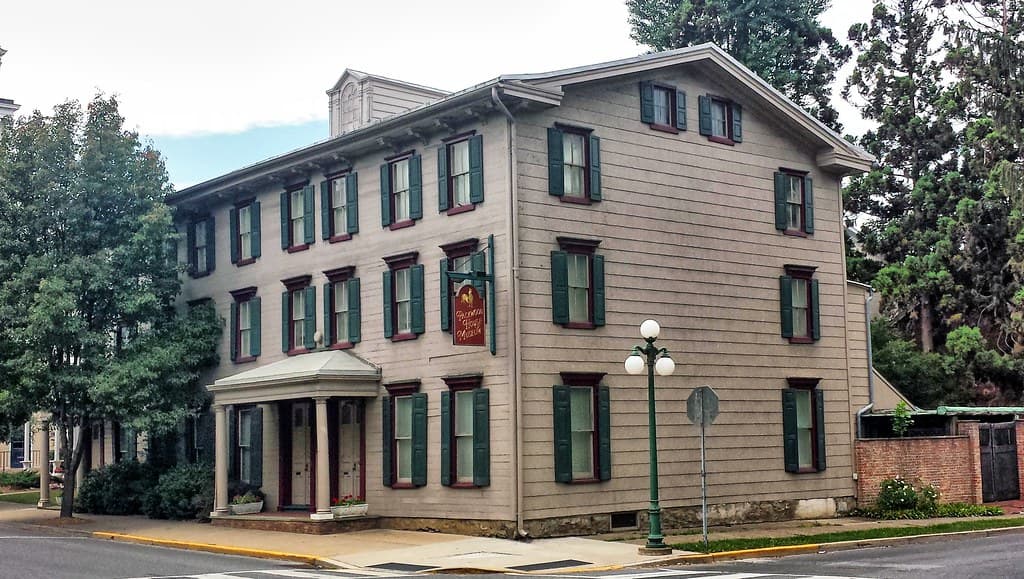
The organization, headquartered at 120 S. Third Street in Lewisburg and led by CEO Mae-Ling Kranz, operates across Union, Snyder, and Northumberland counties with a service menu that touches nearly every institution involved in a survivor's recovery: emergency shelter for those fleeing abusive homes, medical advocates who accompany patients at area hospitals, legal advocates who guide survivors through criminal and civil proceedings, and counselors providing individual and group therapy. When a survivor enters Union County Court of Common Pleas to seek a Protection From Abuse order, Transitions' civil legal representation team can stand alongside them.
Survivors needing immediate help can reach Transitions at any hour by calling the toll-free 24/7 crisis hotline at 1-800-850-7948. The Union County office at 120 S. Third Street takes calls at (570) 523-1134 for non-emergency intake, safety planning, and referrals to counseling or legal services.
Housing is the most structurally strained piece of the network. Transitions' rapid re-housing and permanent supportive housing programs are referral-only, accessed through Pennsylvania's 2-1-1 coordinated entry system. A survivor who calls the hotline after fleeing an abusive home does not automatically receive a placement; that survivor must first complete a separate eligibility assessment through 2-1-1, reachable by call or by texting a zip code to 898-211. Advocates have consistently flagged that intake requirement as the gap most likely to leave high-risk survivors without safe housing during the critical hours after leaving.
At 442 residents served in Union County alone, Transitions carries verified proof of demand heading into budget and grant cycles. The concrete ask to county commissioners and state legislators is more shelter beds, additional counseling slots, and sustained cross-agency coordination connecting Union County's law enforcement agencies, courts, hospitals, and Children and Youth Services office into a coordinated response. Prevention programming in local schools, another pillar of Transitions' work, depends on the same funding.
This article was produced by Prism’s automated news system from verified source data, official records, and press releases, then run through automated quality and moderation checks before publishing. The system is built and supervised by the people who set the standards it runs under. Read our full AI policy.
Did this article answer your question?