Union County Historical Society offers courthouse records for local research
Union County residents can trace deeds, wills, newspapers and family properties at the courthouse, where the historical society’s research library is open three days a week.
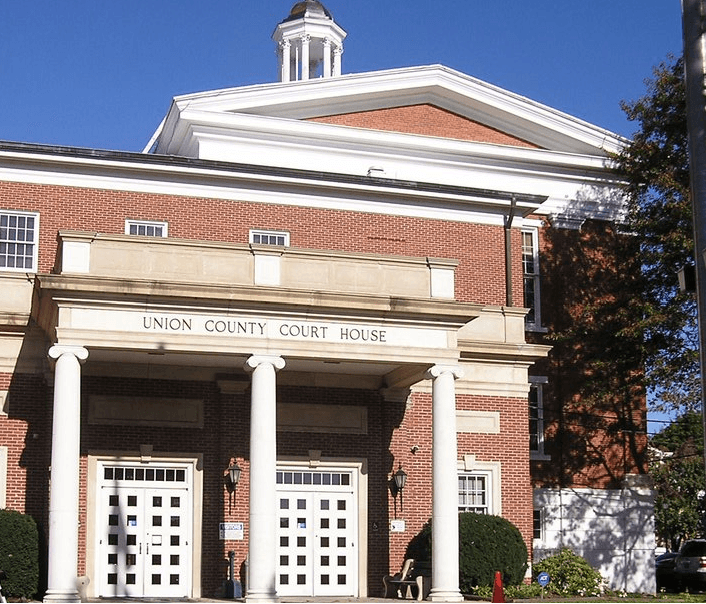
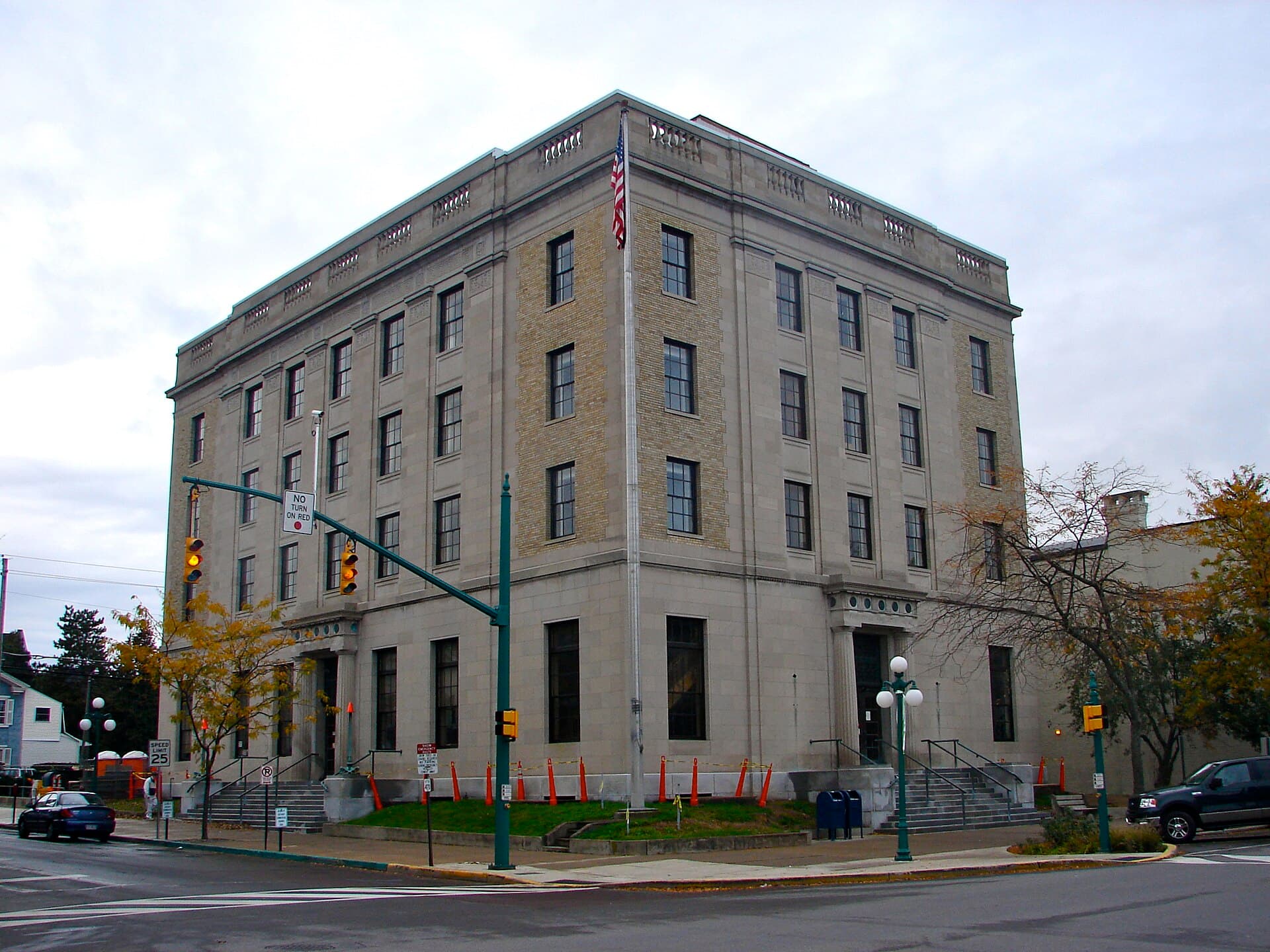
The Union County Courthouse in Lewisburg is the first stop for Union County research: the Union County Historical Society keeps its public records there for in-person research. The society’s research library is at 103 S. 2nd Street, and its posted hours are Monday, Tuesday and Thursday from 9 a.m. to 3 p.m., with the office closed from noon to 1 p.m.
Its courthouse library includes genealogical resources, history publications, a microfilm newspaper archive and research services. In practical terms, that gives researchers several ways to test the same family story against records of legal ownership, probate, and local reporting. The courthouse is also the central place for public property and estate research, which makes it the logical starting point when the question is not just who lived somewhere, but who legally owned it and when.
Match the record to the question
Different questions point to different county offices, and that is where many searches either succeed quickly or stall out. The Union County Recorder of Deeds records deeds, mortgages, releases, easements, subdivisions and restrictions. If you are tracing a parcel, checking an old farm transfer, or trying to figure out when a house or lot changed hands, that office is the paper trail that usually matters most.
The Union County Register of Wills handles probate of wills, appointment of estates without a will, and estate records. That is the right stop when a family land transfer may have followed a death, or when the ownership history makes more sense through an estate than through a simple deed search. Deeds and Orphans’ Court records reach back to 1813.
Marriage research works on a different timeline. Marriage license dockets begin in 1885, so anyone looking for an earlier union may need to rely on church records, family papers, newspapers or other secondary material. That is one of the most common dead ends in county research: a family line may be well documented in deeds and estates long before marriage licensing becomes available in county dockets.
A practical search path through Union County records
A good Union County search usually moves in stages.
1. Start with the courthouse record that matches your question.
If you need land ownership, go to the Recorder of Deeds. If you need inheritance or an estate transfer, start with the Register of Wills. If you are checking a legal dispute or a guardianship matter, Orphans’ Court records may be the right trail.
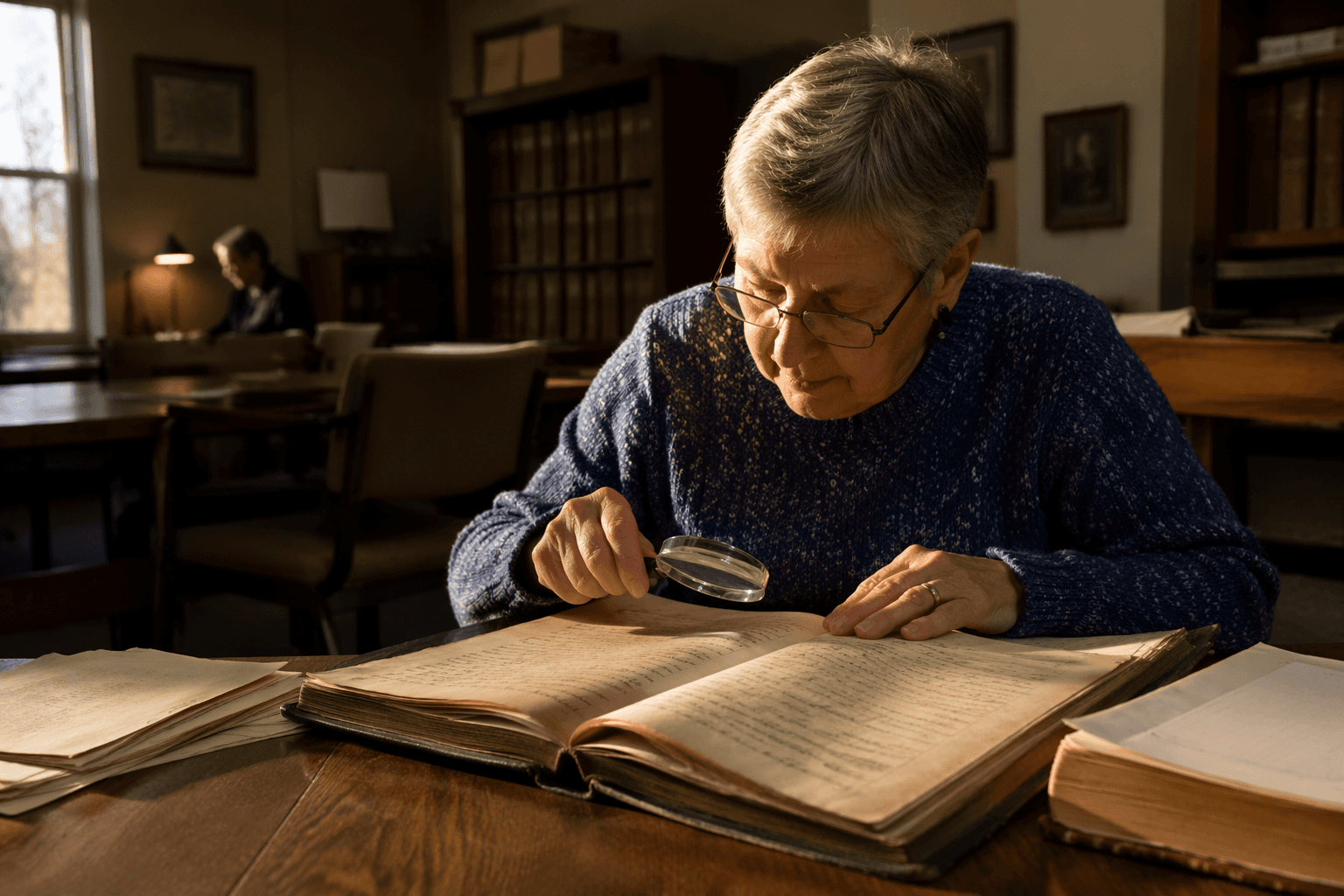
2. Use the historical society’s courthouse library to widen the net.
The library’s genealogical resources, history publications and microfilm newspaper archive help connect the legal record to names, dates and places that do not always appear in a deed index.
3. Cross-check the paper trail with newspapers and publications.
The society’s online journal, ACCOUNTS of Union County History, preserves stories before they are lost, and its archive also includes newsletters and the Once Upon A Time collection. That collection features newspaper articles about individuals, extended families, businesses and properties, which is especially useful when a house or farm changed names over time.
4. Keep a second path open through digital databases.
Its office offers access to Ancestry.com, Fold3 and Newspapers.com, while the Pennsylvania Newspaper Archive provides a searchable gateway to historical Pennsylvania newspapers. That mix is useful when the courthouse record exists but the family connection is fuzzy.
The museum collection is part of the paper trail too
The historical society’s research value is not limited to documents. Its museum collection includes more than 10,000 artifacts tied to Union County history, with materials relating to agriculture, photography, banking, churches, schools, colleges, advertising and deeds from the 17th and 18th centuries. That range gives researchers another way to understand the county’s past, especially when a written record is thin or a family name has changed over generations.
Many of those materials are interpreted at the North Water Street Gallery, the Dale-Engle-Walker House, the Kantz Log Cabin, the Milk House and the Wagon Shed. For property research, that matters because a building’s age, function and landscape often explain why a record appears where it does. A farmhouse, a school site or a church lot can leave a different kind of evidence than a town residence or a commercial block.
The Dale-Engle-Walker site adds a local timeline
The Dale-Engle-Walker House and farm were bequeathed to the Union County Historical Society in 2001, and the society restored the c. 1793 stone house to interpret the county’s agricultural history and early Pennsylvania life. The site includes the restored Engle’s dairy shed and a replica Wagon Shed, and the society offers tours of the 1793 Dale-Engle-Walker House and the Kantz Log Cabin.
It is tied to Ulster Scot immigrant Samuel Dale, his family, tenant farmers, the Engle family dairy farm and Charles and Rosemary Walker. One tour listing places the Dale property in the Dale family, worked by tenant farmers, until 1929, while another places the Engles’ dairy and vegetable farm there in the 1940s.
Why the county’s early timeline matters
Union County was created on March 22, 1813, from Northumberland County. Its first county seat was Mifflinburg, the seat moved to New Berlin in 1815, and Lewisburg became the county seat in 1855 and remains so today.
Union County’s 2020 census population was 42,681. The historical society has promoted the county’s history for more than a century, and its monthly programs, newsletters, annual banquets, school programs and historic-site restoration all feed the same research ecosystem.
This article was produced by Prism’s automated news system from verified source data, official records, and press releases, then run through automated quality and moderation checks before publishing. The system is built and supervised by the people who set the standards it runs under. Read our full AI policy.
Did this article answer your question?