Amistad camping guide, fees, passes and boat rules for Del Rio visitors
Lake Amistad is free to enter, but boaters still need the right pass and campers need to plan around no hookups, shared water only at Governors Landing.
Amistad National Recreation Area charges no entrance fee, but it does charge lake-use fees for watercraft that require state registration, and its campgrounds run on a simple, self-contained setup with no hookups at most sites. If you are leaving Del Rio with a boat, camper, or both, that makes a quick day trip very different from an overnight stay, especially if you want running water, trailer parking, or an easy launch close to town.
Know the fees before you launch
The lake-use pass system is straightforward. A one-day pass costs $4, a three-day pass costs $10, and an annual pass costs $50 for the U.S. side of the reservoir. You can buy those passes at the visitor center or at fee machines at Diablo East, Rough Canyon, and Box Canyon, which gives you several ways to handle the paperwork before you get on the water.
The visitor center is on U.S. Highway 90 west of Del Rio, and it is set up for people arriving with boats and trailers. It has designated oversized-vehicle parking, trailer parking, and card-only payment, so bring a card and do not count on paying with cash. The park also sells America the Beautiful passes.
Choose the right campground for the rig you bring
Campgrounds are generally open year-round, and fees range from $6 to $10 per site, but most sites are built for a simple stay rather than a resort-style one. All campgrounds have vault toilets, most sites can accommodate RVs, and most sites have no hookups, so self-contained water and power matter.
Governors Landing is the best-known exception on the water-access side. It is the only campground with running water to shared spigots, and it also gives you access to some of the park’s most popular swimming areas. The site can fit RVs up to 28 feet, which makes it a better fit for smaller trailers and shorter motorhomes than for longer rigs.
If you need more room, San Pedro is the stronger choice because it is better suited for larger RVs. The RV dump station with potable water is along the road to Diablo East.
Plan the water day around the crowds you can actually face
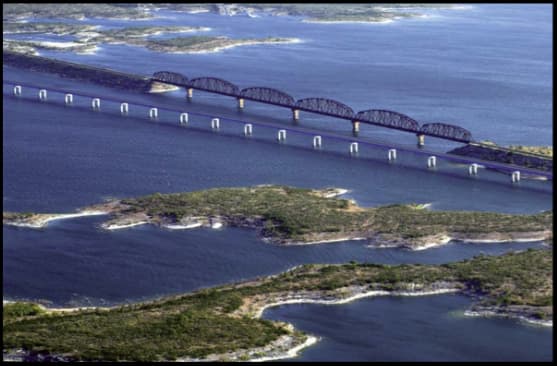
Amistad’s boating area is much larger than a single marina or cove. The park boundary extends 74 miles up the Rio Grande, 25 miles up the Devils River, and 14 miles up the Pecos River, so a casual outing can turn into a longer run than you expected.
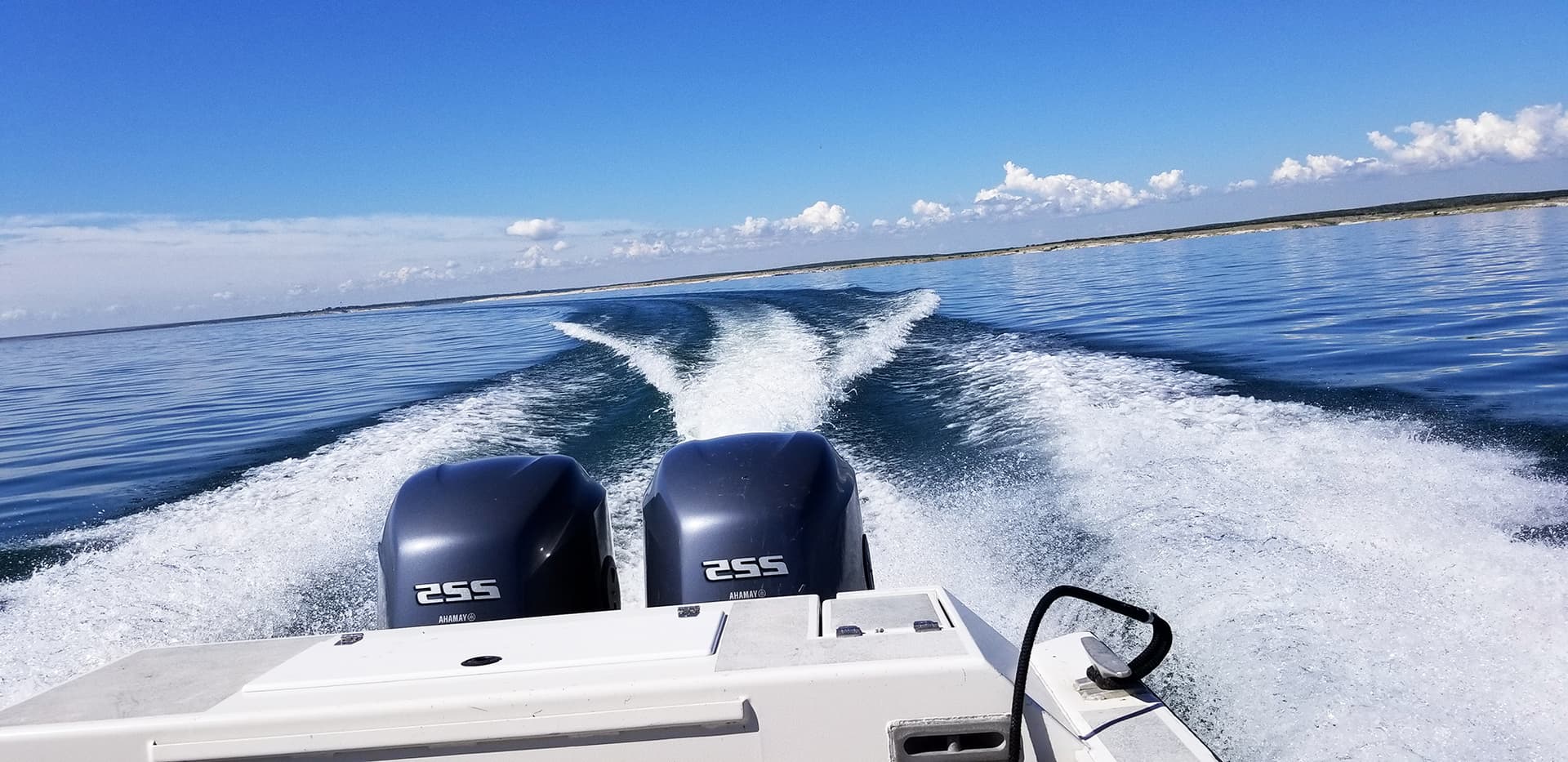
Boat traffic can range from only a handful of vessels to more than 200 when a major fishing tournament is underway, so launch timing and return planning matter even on what looks like a quiet morning. If you are coming from Del Rio for a short outing, buy the pass first, launch where you intend to fish or swim, and do not assume the lake will feel empty once you clear the ramp.
Why anglers keep returning
Amistad is built around rocky structure, steep drop-offs, and rocky points and shorelines. The predominant fish species include largemouth bass, smallmouth bass, catfish, and white and striped bass, giving the lake a mix that works for both casual fishing and more serious trophy hunting.
Texas Parks & Wildlife has worked with local organizations to place Christmas-tree fish habitat near the Governors Landing camping area, adding cover in a part of the lake many visitors already use. The all-tackle record list includes blue catfish, channel catfish, flathead catfish, freshwater drum, and multiple gar records.
A lake with deep history and a long visitor cycle
Amistad Dam was completed and dedicated in 1969 as part of a binational effort with Mexico, and the U.S. side was officially designated Amistad National Recreation Area on November 28, 1990. The cultural story reaches far deeper than the modern park boundary: NPS history materials place the area’s human record back nearly 5,000 years, and the broader Lower Pecos and Amistad region contains pictographs and archaeological materials more than 5,000 years old, with some evidence stretching beyond 10,000 years.
The park logged 912,283 recreation visits in 2022, down from 1,267,900 in 2019, and long-term annual visitation has ranged from about 448,000 in 1969 to 2,573,966 in 2009.
This article was produced by Prism’s automated news system from verified source data, official records, and press releases, then run through automated quality and moderation checks before publishing. The system is built and supervised by the people who set the standards it runs under. Read our full AI policy.
Did this article answer your question?