Del Rio blood drive aims to ease critical shortage
AB-negative, B-negative and O-negative supplies have dropped to critical levels, and Del Rio’s June 11 drive will try to refill the stock before more patients are affected.
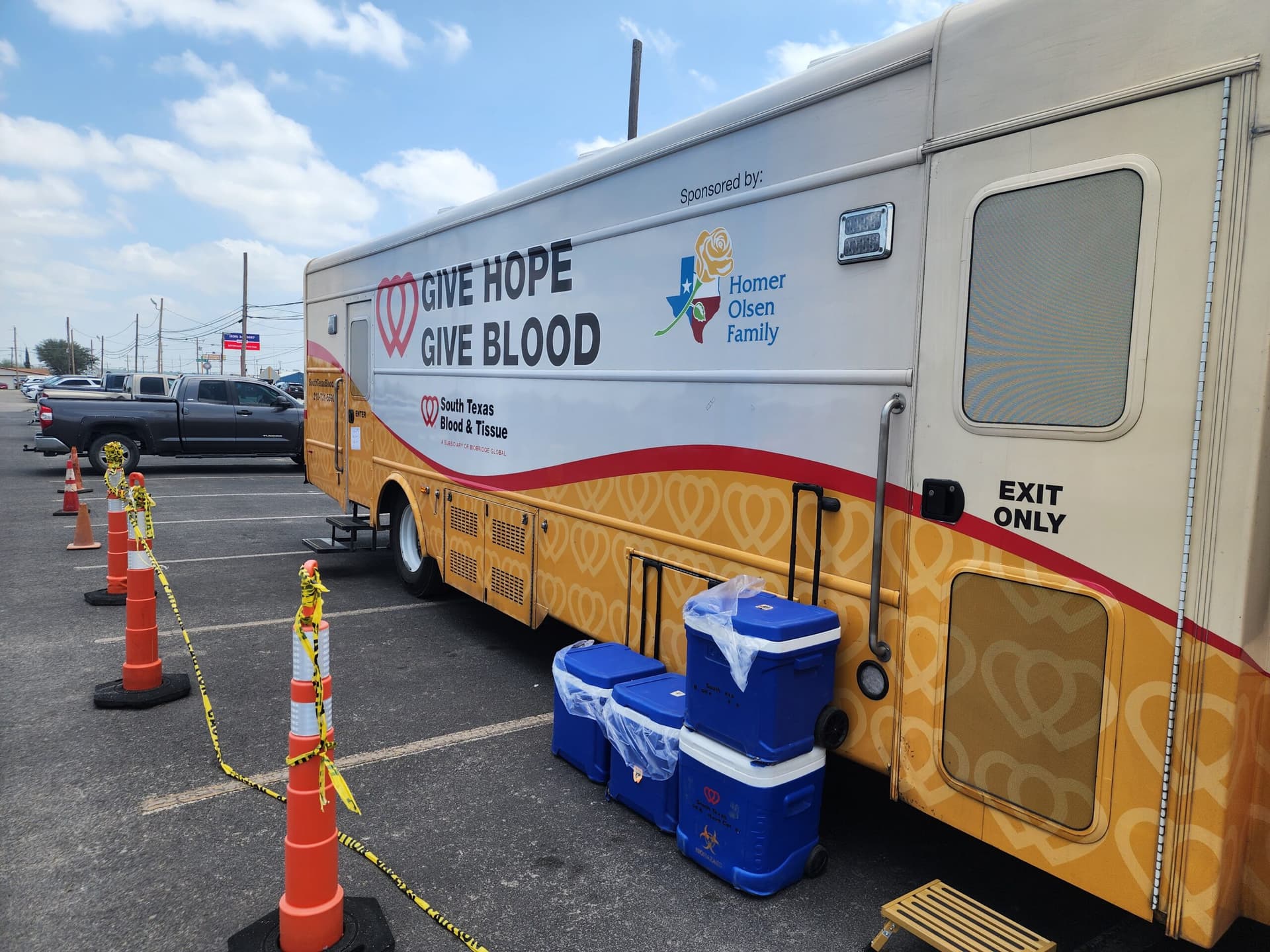
Supplies of AB-negative, B-negative and O-negative blood have fallen to dangerously low levels, and South Texas Blood & Tissue is asking Del Rio residents to step in before the shortage reaches local patients. Kelli Baker, the organization’s district supervisor, said the system has gone to “critical status,” with many blood types under 20 units.
The blood drive will run Thursday, June 11, from 9 a.m. to 2 p.m. at the Del Rio Chamber of Commerce and Visitors Bureau, 1915 Veterans Blvd. The chamber’s calendar and South Texas Blood & Tissue’s donor portal both list the Del Rio collection, and the portal identifies Coleman Manning as the primary coordinator for the mobile drive.
Baker warned that low inventory could have immediate consequences in a border county like Val Verde, where trauma care, surgeries and emergency treatment depend on a steady blood supply. If a major accident brings multiple patients to the hospital, Baker said the shortage could leave responders short or force surgeries to be postponed.
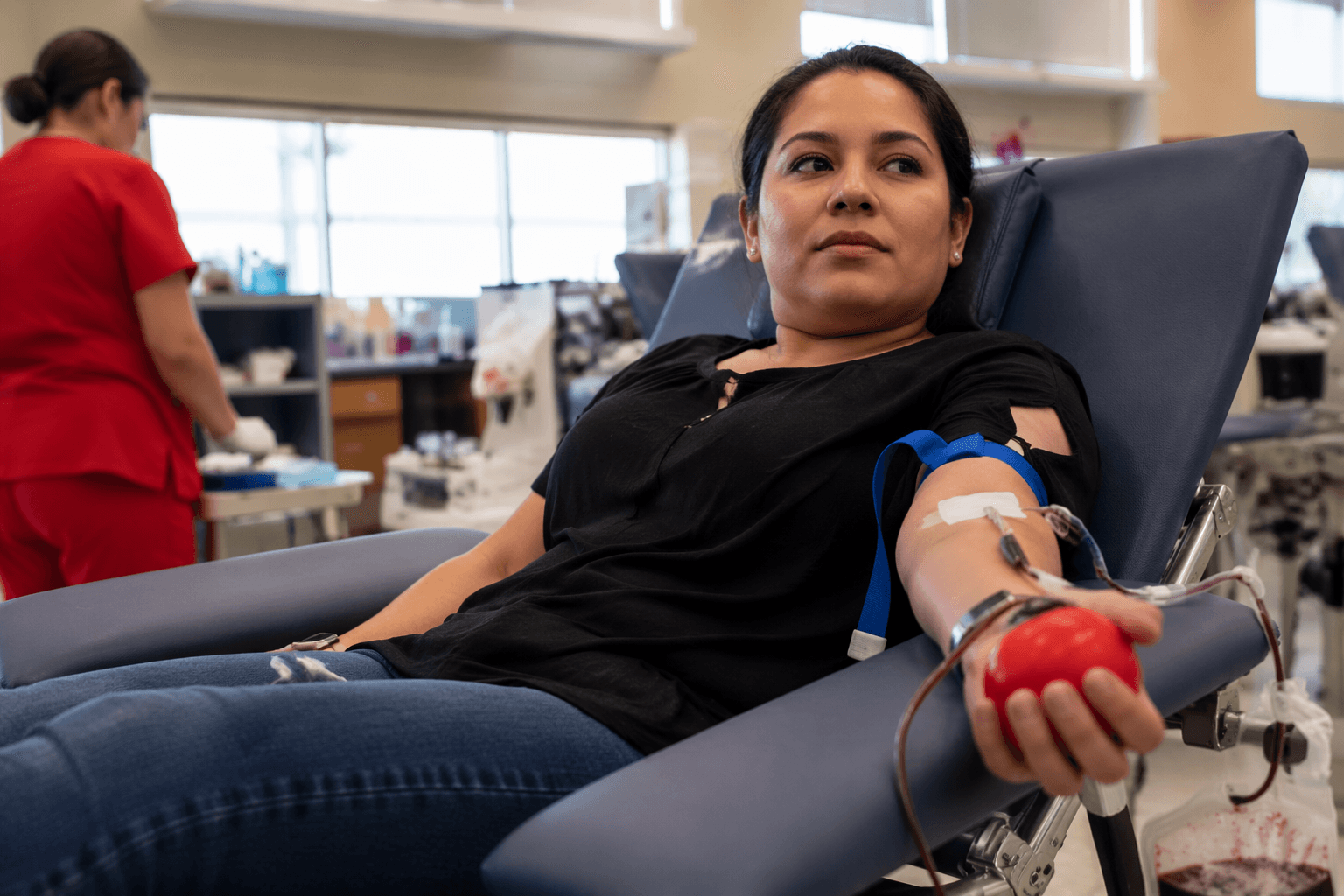
Blanca Larson said the chamber moved quickly to host the drive because the need is immediate and could affect lives in the community. The effort is especially important in Del Rio because South Texas Blood & Tissue helps keep more than 100 area hospitals and health care providers stocked, so one local donation can reach well beyond Veterans Boulevard.
The timing adds to the pressure. South Texas Blood & Tissue says summer travel and school breaks usually pull donors away just as demand stays high, and earlier this year severe weather and canceled drives contributed to a Texas blood shortage that cut supplies by 35 percent after winter storms. South Texas Blood & Tissue has served the South Texas region for more than 45 years, and the Del Rio drive is part of that wider system of keeping blood on hand when patients need it most.
This article was produced by Prism’s automated news system from verified source data, official records, and press releases, then run through automated quality and moderation checks before publishing. The system is built and supervised by the people who set the standards it runs under. Read our full AI policy.
Know something we missed? Have a correction or additional information?
Submit a Tip