Del Rio bridge remains vital border crossing, city says
Del Rio’s International Bridge is more than a crossing: it is the county’s round-the-clock link for work, trade, school runs, and family visits. Federal data still show short waits and steady access.
Del Rio’s bridge is the county’s most important daily crossing
The Del Rio International Bridge is not just a span over the Rio Grande. It is the city’s owned-and-operated border crossing, open 24 hours a day and used for vehicular, commercial, and pedestrian traffic between Del Rio, Texas, and Ciudad Acuña, Coahuila.
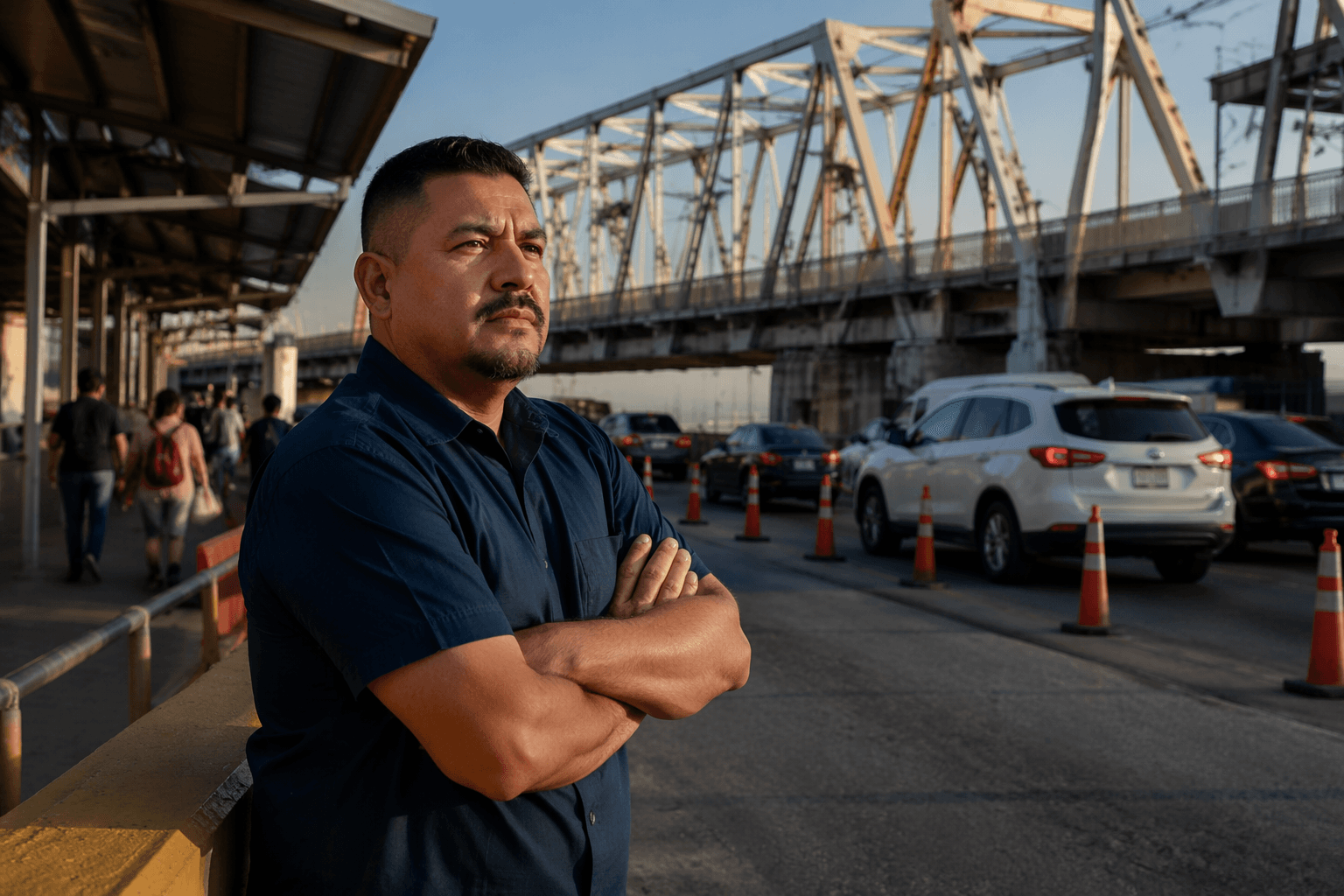
That makes the bridge a core piece of public infrastructure for Val Verde County. It carries commuters, shoppers, freight, medical trips, and family visits, while also shaping tourism, supply chains, and the flow of customers and workers on both sides of the border. City officials describe it as a safe and efficient crossing, and they also point visitors to live traffic information, a sign that the bridge is treated as a public-facing service as much as a municipal asset.
How the crossing functions today
Federal border-wait data show Del Rio as a 24-hour port. On May 23, 2026, U.S. Customs and Border Protection listed no delay for commercial vehicles, a 30-minute delay for passenger vehicles, and no delay for pedestrians. Ready Lane at Del Rio is open from 6 a.m. until midnight seven days a week.
Those details matter because the bridge is not a symbolic border marker. It is a working corridor for daily movement and for the local economy. A short delay for passenger vehicles can affect school pickups, shift changes, shopping runs, and medical appointments, while the ability to move commercial traffic without delay supports inventory, deliveries, and broader trade activity.
The city’s bridge board also gives a clue to how seriously the crossing is managed. City materials say the board integrates the bridge’s financial, purchasing, managing, fiscal, and employee policies, which means the bridge is run as an ongoing operational system, not a passive piece of infrastructure.
Why the bridge matters to households and businesses
For Del Rio residents, the bridge is part of ordinary life. People cross for work, to visit relatives, to shop, and to reach services in Ciudad Acuña. That local convenience is one reason the city views the bridge as more than an engineering asset: it helps sustain the social and commercial ties that define the border community.
Businesses depend on the crossing in a different way. The bridge helps shape supply chains and customer traffic, and it supports commercial vehicles that need predictable access. City economic-development materials say Del Rio is an important gateway for international trade and point to a second international bridge in the pipeline, showing that the existing crossing is part of a larger strategy to strengthen trade access in the region.
That broader role matters for Val Verde County’s economy. Border crossings affect where people spend money, where companies locate, and how easily goods move. When a port like Del Rio has short wait times and all-day access, it becomes more attractive to both tourists and businesses looking for dependable cross-border movement.
A port that fits into the federal data system
Del Rio’s crossing is also tracked in the federal framework used to measure border activity. The Bureau of Transportation Statistics says border-crossing data are reported at the port level and cover trucks, passenger vehicles, pedestrians, buses, trains, and containers. Those data are collected by U.S. Customs and Border Protection at official land border crossing stations and transmitted monthly to BTS.
That means Del Rio is not tracked in isolation. It sits inside the same national system used to compare major land ports across the border. For local readers, that matters because the crossing’s performance can be measured in the same language used for other trade gateways: wait times, mode of travel, and volume by port.
CBP identifies Del Rio as port 2302 and says the port office is located across from the City of Del Rio International Bridge Office. The agency also says the Del Rio International Airport is manned from the Del Rio Port of Entry, while the Amistad Dam Station is not open for commercial traffic or commercial entry of merchandise. Together, those details show that the port’s responsibilities extend beyond one road crossing and into the broader transportation network serving the city.
A century-long border story
The bridge also carries a long local history. A City of Del Rio social-media history post says the crossing began with a pontoon bridge in 1919, was replaced by a more permanent bridge in 1929, and was rebuilt and updated in 1987. Secondary sources place the original construction in 1930 and the rebuilding in 1987.
However the early timeline is dated, the message is clear: today’s bridge is the latest version of a century-long cross-border link. That history helps explain why the crossing holds such civic weight. It has evolved alongside Del Rio itself, moving from a basic river span to a managed 24-hour port that supports commerce, mobility, and daily life in a binational community.
The bridge’s connection to Ciudad Acuña also gives it a diplomatic and cultural role. It is where Del Rio’s geography meets its economy, and where local routines intersect with international trade. Even the existence of live traffic information reflects that reality, because residents and businesses need a crossing they can plan around.
What the bridge means for the county now
For Val Verde County, the Del Rio International Bridge remains a practical necessity. It keeps people moving, supports trade, and gives the region a direct link to one of its most important neighboring cities. The latest wait data suggest the crossing continues to function with relatively limited delays, especially for commercial traffic and pedestrians, which is essential for the businesses and families who depend on it every day.
The bigger question for the city is not whether the bridge matters. It clearly does. The question is how city officials keep it reliable, monitor traffic, and prepare for disruptions in a crossing that serves as both a transportation route and a public asset. In a border city, that is not a side issue. It is part of how daily life works.
This article was produced by Prism’s automated news system from verified source data, official records, and press releases, then run through automated quality and moderation checks before publishing. The system is built and supervised by the people who set the standards it runs under. Read our full AI policy.
Know something we missed? Have a correction or additional information?
Submit a Tip