Del Rio seeks bids for road aggregate and oil supplies
Del Rio is seeking bids under R:2026-081 for road aggregate and oil supplies, setting up another year of patching and paving on city streets.
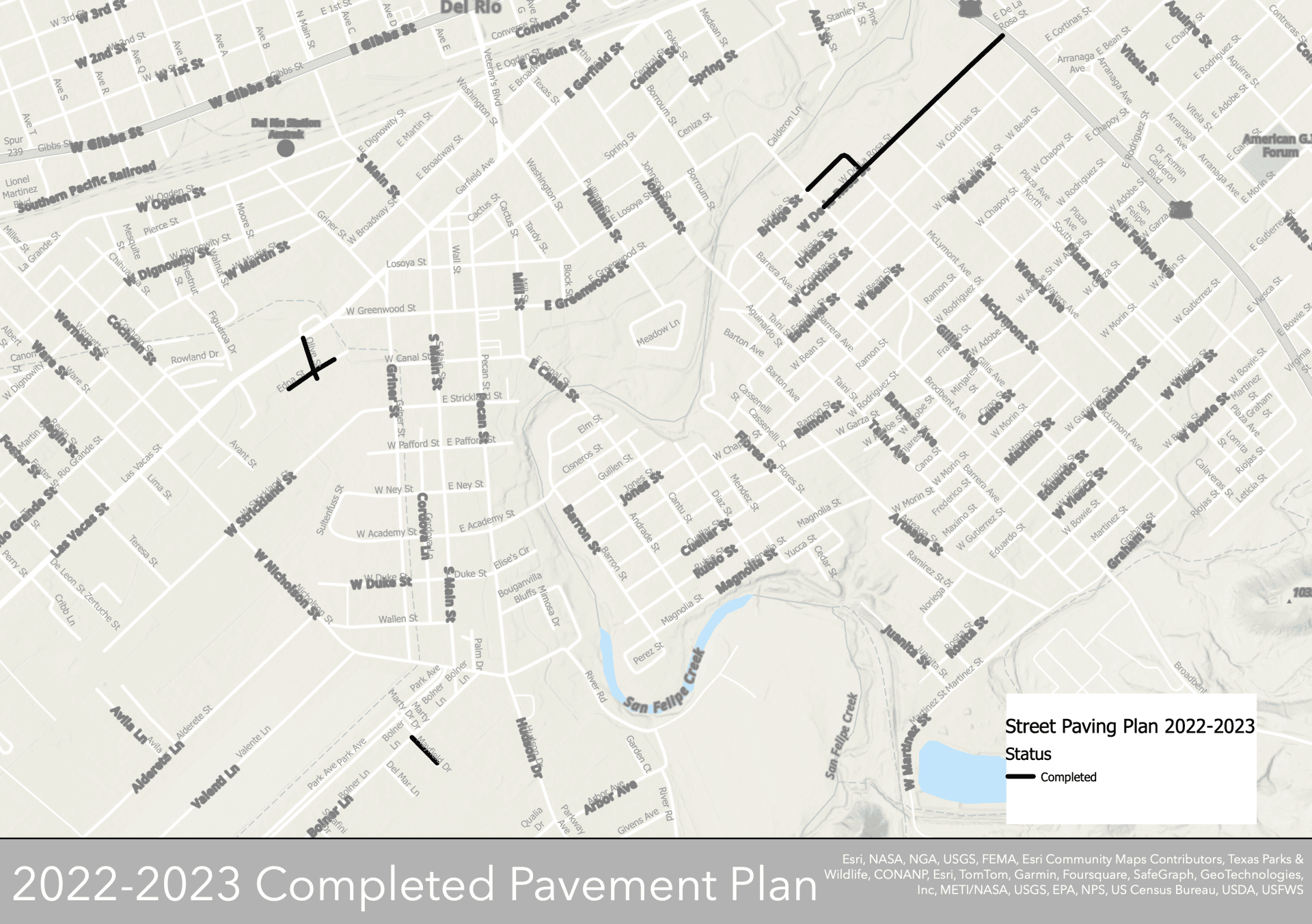
The City of Del Rio is seeking sealed bids under Request for Bids R:2026-081 for road aggregate and oil supplies for fiscal year 2026-2027, a purchase that feeds the city’s next round of street work. The materials are basic inputs for road base, patching, stabilization and resurfacing, the kind of maintenance that keeps pavement usable in Val Verde County’s heat and wear.
The bid ties directly to the Streets and Drainage Department, which the city says is already working from the Fiscal Year 2025-2026 Street Paving Plan. Del Rio is also asking residents to take part in its FY 2026-2027 Budget Survey, saying public feedback helps guide decisions on city services and infrastructure.
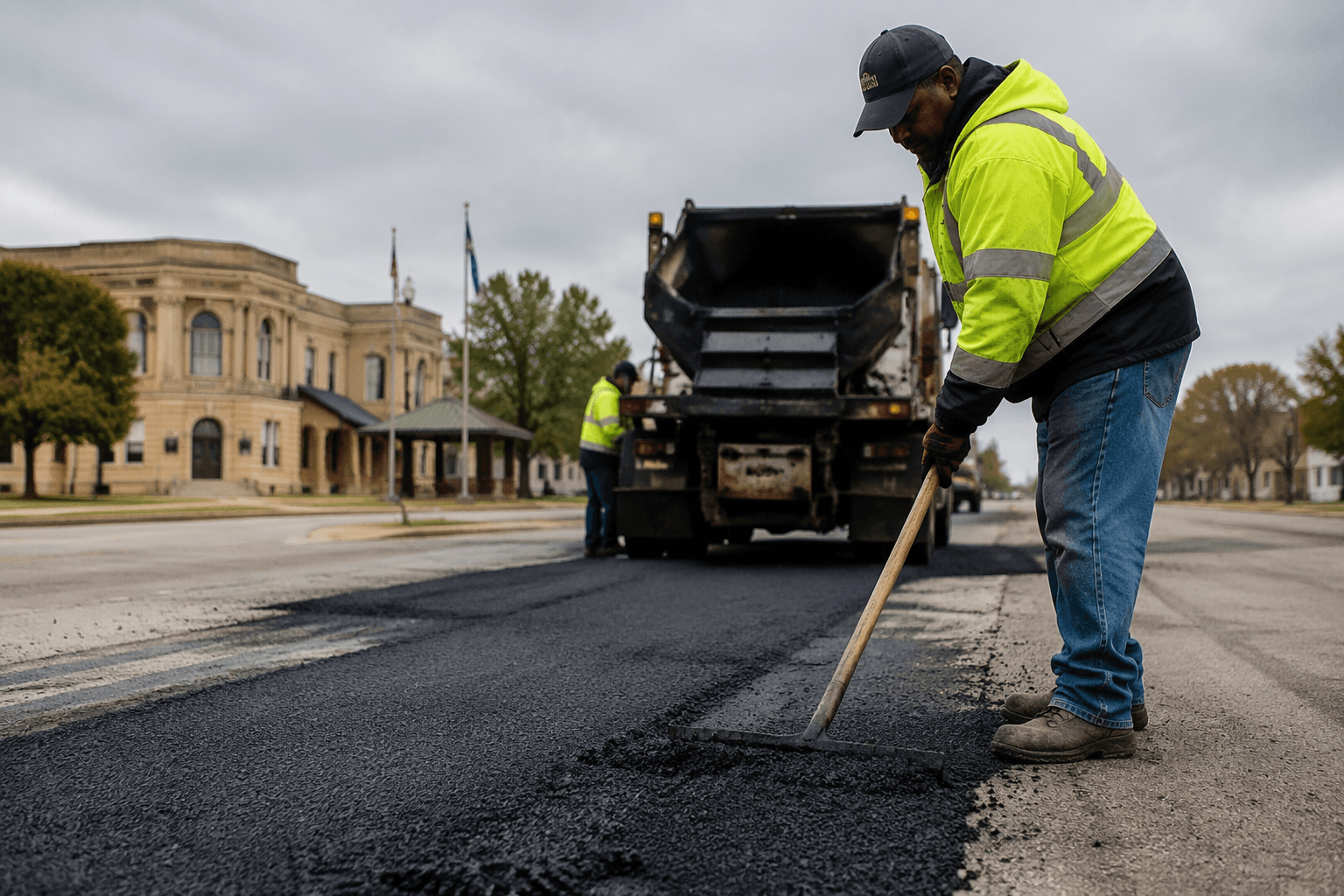
The notice matters because the brief posting does not spell out the quantities or dollar totals for the aggregate and oil purchase. Those figures are the ones residents need if they want to judge whether the city is buying enough material to improve road quality, or only keeping pace with the damage caused by traffic, flooding and rising prices.
Del Rio has made this kind of purchase before. A similar bid was posted for fiscal year 2025-2026, and a city calendar listing referenced Request for Bids R:2025-138-2 for the purchase of road aggregate and oil supplies with a Sept. 17, 2025, 2 p.m. date, showing the city has treated the material buy as part of a recurring annual cycle.
The road-material notice also sits alongside other infrastructure procurements on the city’s bid-postings page, including water treatment chemicals, utility vehicles and transportation depot improvements. That broader pattern suggests Del Rio is working through a steady list of capital and maintenance needs, not a one-off purchase.
For drivers on city streets, school buses, and emergency vehicles, the practical question is when those purchases turn into visible work. If the city secures the materials on time and follows through on its paving schedule, residents should see patching, stabilization and resurfacing as the new fiscal year unfolds.
This article was produced by Prism’s automated news system from verified source data, official records, and press releases, then run through automated quality and moderation checks before publishing. The system is built and supervised by the people who set the standards it runs under. Read our full AI policy.
Did this article answer your question?