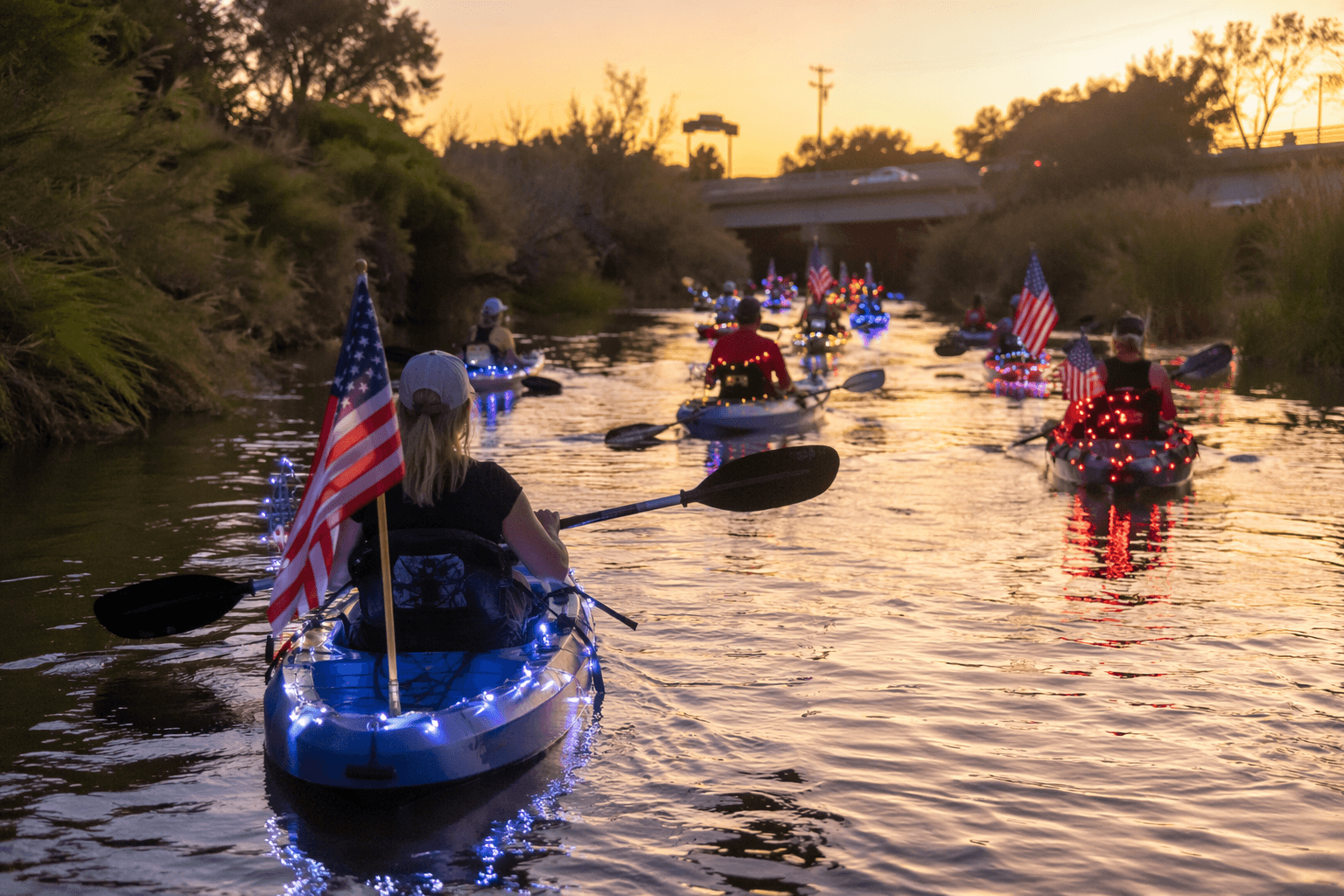
Devils River paddlers urged to prepare for remote, rugged trip
Devils River rewards experienced paddlers who line up permits, take-out and supplies before launch. Shortcuts can bring fines, canceled reservations and real danger.
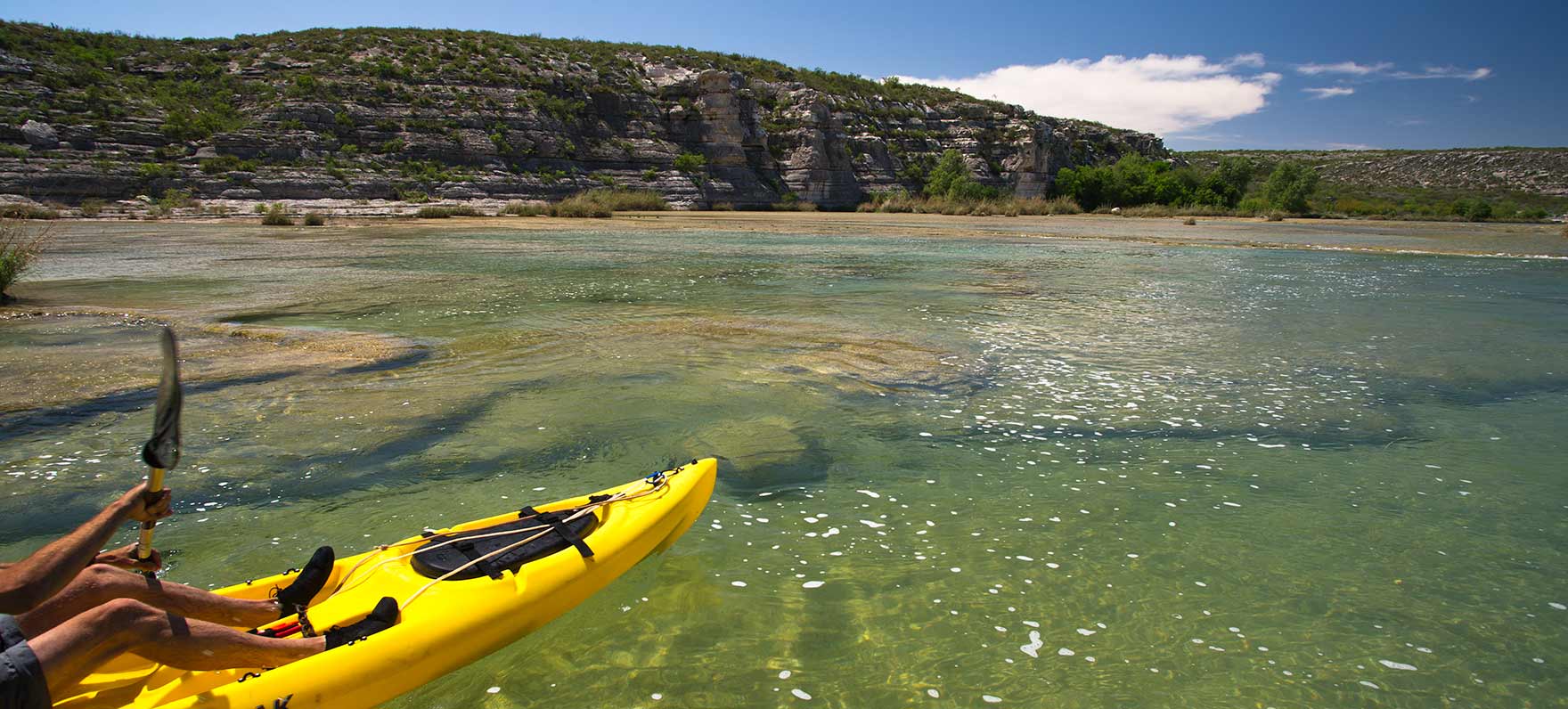
Devtils River is not a casual paddle, and Texas Parks and Wildlife makes that plain: only experienced paddlers should attempt it, because the route is remote, physically demanding and, if you are unprepared, potentially life-threatening. The river’s beauty can be deceptive. With no nearby stores and long stretches far from public roads, this is a trip that demands the mindset of a backcountry expedition, not a weekend float.
Who should attempt the Devils River
If you do not already know how to manage self-supported river travel, Devils River is not the place to learn. TPWD says the trip can be “challenging to plan, exhausting to navigate, and life-threatening to the unprepared,” and the warning is rooted in the river’s logistics as much as its terrain. The agency also notes that the average paddler does not make 15 miles in a day, which means even experienced boaters need to think carefully about distance, daylight and exit plans.
That reality matters in Val Verde County, where the river is prized precisely because it remains rugged and lightly developed. A successful trip starts with honest self-assessment: whether you can carry enough water and food, whether your group has the skill to handle changing conditions, and whether you are ready to treat every mile as part of a remote expedition. If the answer is no, the safest decision is to choose a different river.
Permits, reservations and access rules
Access is tightly controlled. TPWD requires a Devils River Access Permit, or DRAP, if you plan to enter the Devils River State Natural Area or use the paddler camps on an extended trip, and the permit costs $10. That permit is not just paperwork. TPWD says access through unapproved services can lead to fines and the cancellation of permits or reservations, which is one reason shuttle and outfitter planning should be settled before you ever leave Del Rio.
The access system also reflects how carefully the river is managed. TPWD’s River Access and Conservation Area Program helps structure use of the corridor, and the agency has made clear that reservations are required for the paddle-in campsites it designates along the river. Those camps are limited to one-night stays, and they are not built for a long, unbroken base-camp stay.

Before you launch, line up these basics:
- Your $10 Devils River Access Permit
- Reservations for any paddle-in campsite you plan to use
- A confirmed take-out plan with a private outfitter or private property owner, if needed
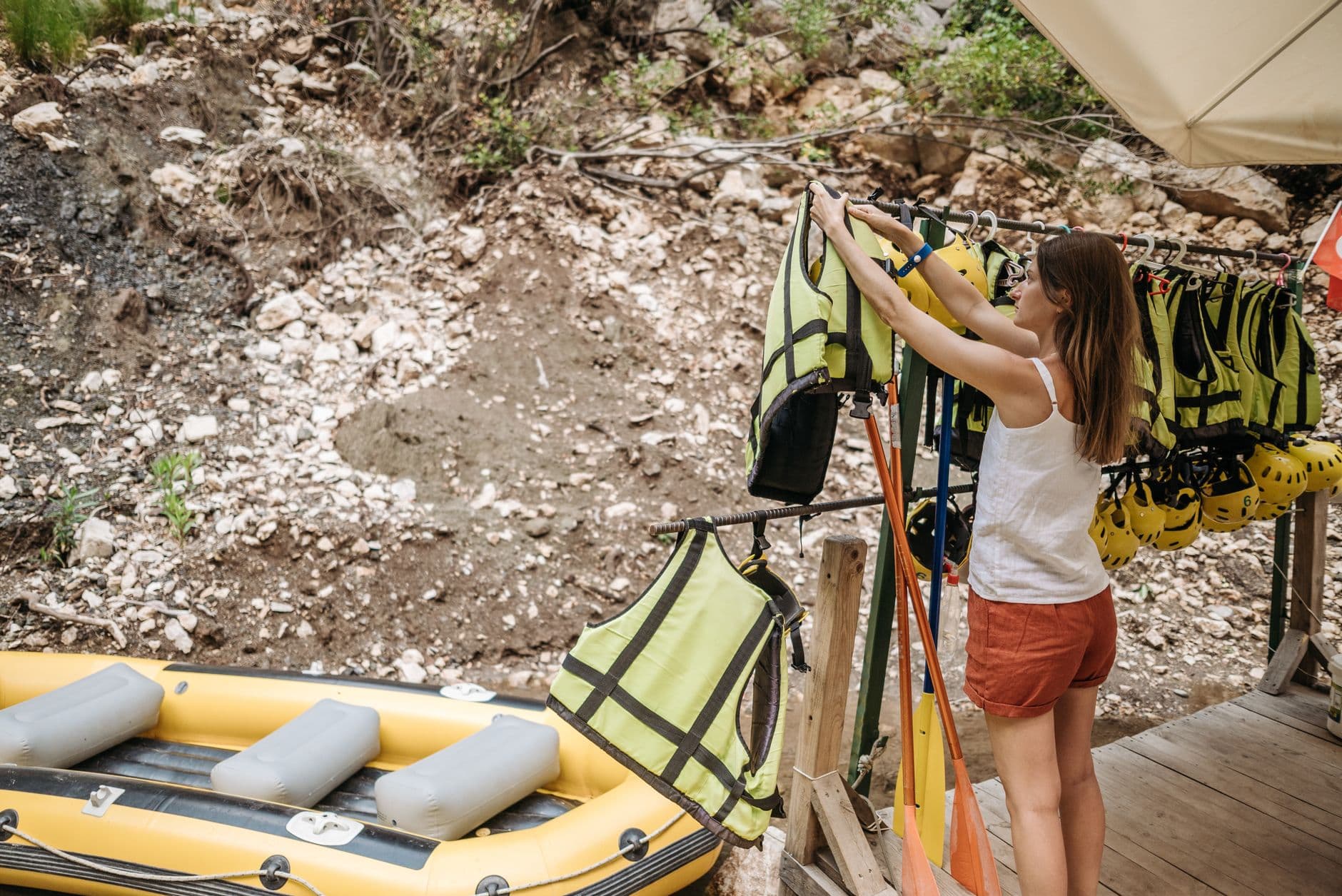
- All water, food and fuel you will need, because there are no nearby stores
Shuttle and take-out planning can make or break the trip
The hardest mistake on Devils River is assuming you can figure out the exit later. TPWD’s paddler map says it is critical to plan and prepare well in advance for a physically demanding, remote river trip, and to make arrangements for take-out with a private outfitter or private property owner if needed. That is not a suggestion for convenience. On this river, a missed shuttle or a vague exit plan can turn a strong outing into a rescue problem.
Conditions also change quickly. TPWD posted that Baker’s Crossing was closed because of low flow levels on Jan. 23, 2025, while San Pedro Point remained open, a reminder that launch access can shift with water conditions. If your route depends on one access point, check it before you load the boat. If your group cannot reach a planned take-out, you need a backup plan that is just as real as the first one.
Camping rules are strict for a reason
The river’s designated paddle-in camps are managed to limit impact and keep visitors safe. TPWD says the camps require reservations, a Devils River Access Permit and one-night stays only. Campfires are prohibited, trash and human waste must be packed out, and the rules are designed for a corridor that is too fragile and too remote for casual use.
At San Pedro Point, containerized fuel cooking is allowed, and TPWD recommends containerized fuel cooking at Mile 20. TPWD also posted a burn ban effective Jan. 1, 2026, allowing only containerized fuel cooking and no wood fires. That makes fire planning part of the trip from the start, not an afterthought once you reach camp.
In 2017, TPWD announced two new paddle-up-only campsites to improve safety and reduce trespassing issues, underscoring how carefully the river is being managed for public use. The message remains the same today: permitted paddlers can use the corridor, but only if they follow the system that protects it.
Why the river is so protected
Devils River State Natural Area conserves nearly 38,000 acres, and TPWD classifies the Devils River complex as a state natural area rather than a state park to emphasize conservation of its unique cultural and natural resources. Scientists describe the spring-fed Devils River as the most pristine in Texas, and TPWD says the site is where three ecological regions meet: the Chihuahuan to the west, the Edwards Plateau to the north and the Tamaulipan to the south and east. That blend helps explain why the area feels so different from other waterways in the region.
It is also why the landscape is so rich for people who arrive prepared. TPWD says the natural area offers more than 25 miles of trails for hiking and biking, along with cliffs, river views and wildlife tied to one of Texas’s most preserved ecosystems. The broader Devils River complex is protected by conservation easements held by The Nature Conservancy and managed as a connected system under one superintendent, including units such as the Dan A. Hughes Unit and Westwell Crossing.
For Val Verde County, that balance of access and preservation is the real story. Devils River remains one of the county’s defining natural assets, but it is an asset that punishes improvisation. The river rewards preparation, respects experience and leaves little room for error, which is exactly why the permit, the shuttle, the campsite rules and the exit plan all have to be settled before the first stroke.
This article was produced by Prism’s automated news system from verified source data, official records, and press releases, then run through automated quality and moderation checks before publishing. The system is built and supervised by the people who set the standards it runs under. Read our full AI policy.
Did this article answer your question?