Federal documents show Border Patrol sought access to Seminole Canyon and two other Texas state parks for border barrier work
Border Patrol mapped a barrier corridor inside Seminole Canyon State Park near Fate Bell Shelter before publicly claiming wall construction was on hold.
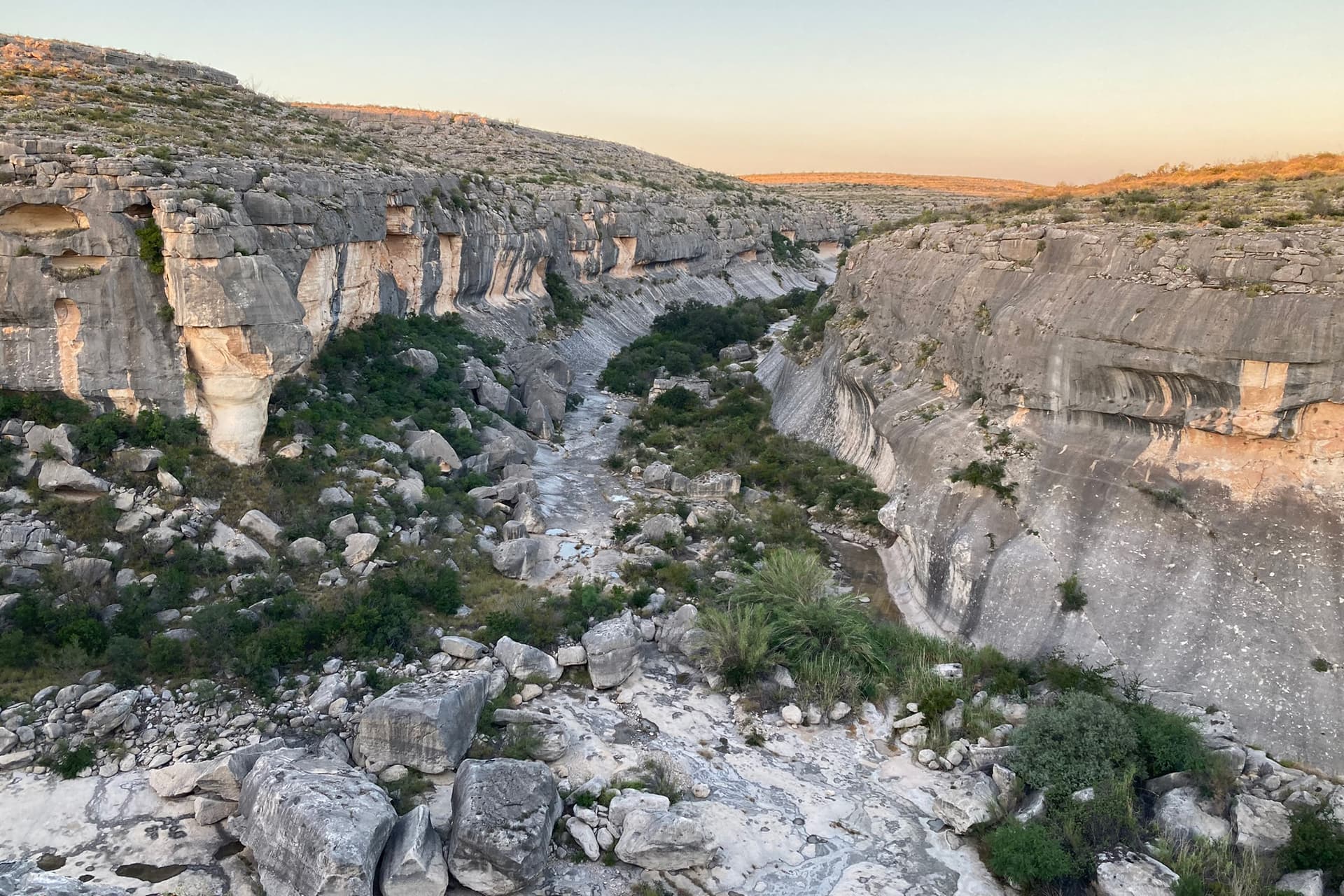
Before U.S. Border Patrol told the public that construction on Texas state park land was "not a priority," the agency had already sent Texas Parks and Wildlife Department a letter with a detailed map targeting a corridor inside Seminole Canyon State Park that could cut off access to one of North America's most significant collections of prehistoric rock art.
Documents obtained under the Texas Public Information Act show Border Patrol sent similar letters to TPWD for two other state parks, Big Bend Ranch and Bentsen-Rio Grande Valley, as part of planning steps the agency described as evaluating parcels for "barrier, roads, and/or technology." The records include maps identifying proposed construction footprints inside park boundaries at all three sites.
At Seminole Canyon, the mapped corridor runs near the Rio Grande through a stretch that encompasses some of the Lower Pecos Canyonlands' most sensitive cultural resources. The Fate Bell Shelter, accessible only by guided tour, holds Pecos River Style pictographs dating back thousands of years and anchors the Lower Pecos Canyonlands Archaeological District, a National Historic Landmark. Construction in that zone would risk physical damage to the art and potential loss of trail access for visitors to the 2,172.5-acre park, which offers nearly 10 miles of trails and 46 campsites west of Del Rio.
At Big Bend Ranch State Park, the maps placed proposed work near the Grassy Banks campground and Contrabando Canyon.
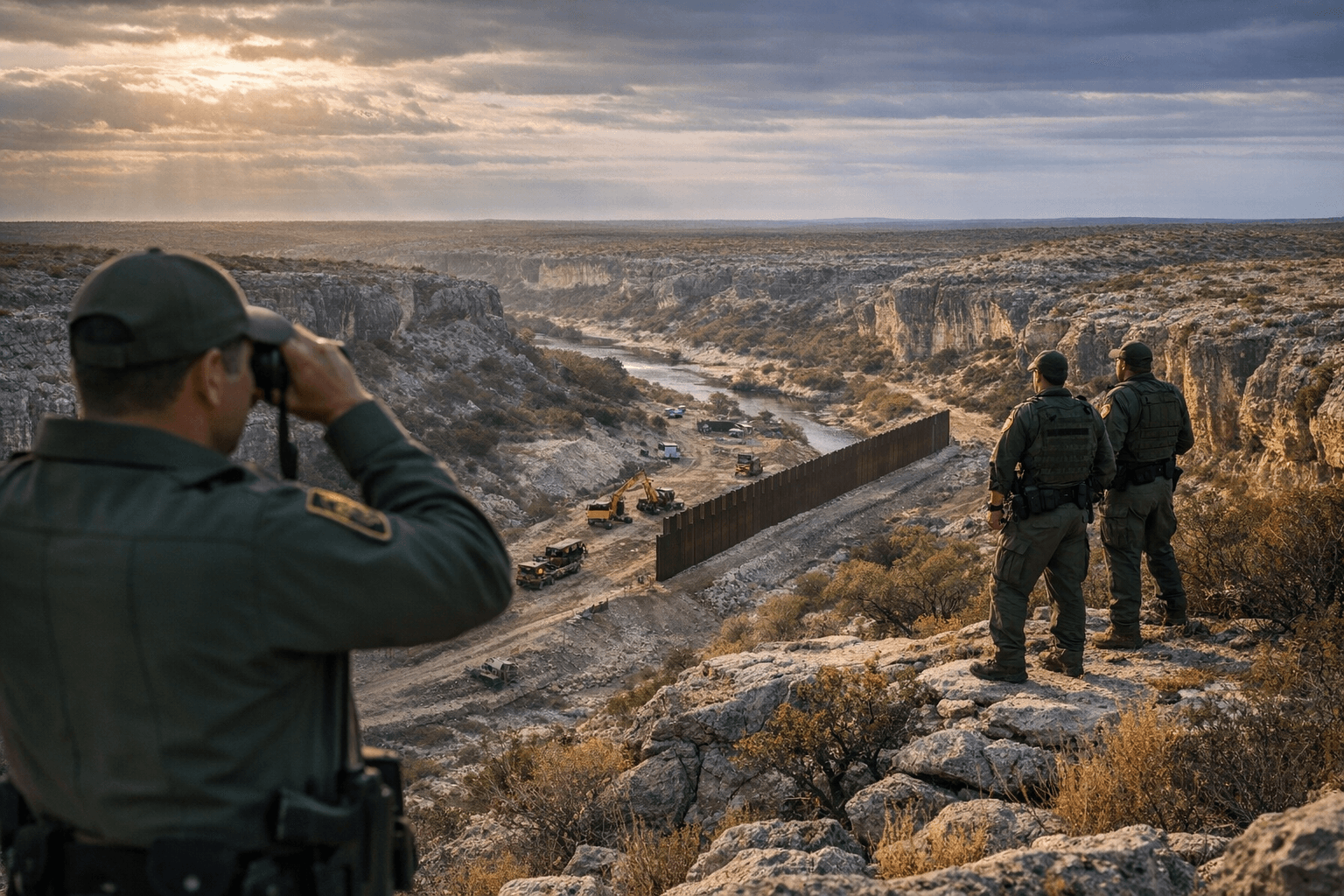
Paul Enriquez, Border Patrol's infrastructure portfolio director, wrote in an email obtained through the public-records request that construction on TPWD land and at Big Bend National Park "is not a priority," saying the agency's focus is on high-traffic crossing areas. But Enriquez did not categorically rule out future construction, and the records show the access letters predate any public agency statement about delaying work on park land.
CBP later revised its publicly facing Smart Wall map to show detection technology rather than a physical wall at some park locations, but agency leadership in Washington has not issued a binding commitment to permanently exclude state park land. The One Big Beautiful Bill, passed in July 2025, allocated $46.5 billion for border wall construction and included no protective carve-outs for the three state parks named in the Border Patrol letters.
For Val Verde County, the documents raise direct questions about what federal planning has already occurred inside protected lands without public notice. Archaeologists and advocates familiar with the Lower Pecos sites have long called for independent cultural-resource review before any federal infrastructure work proceeds near pictograph sites; the gap between the Border Patrol's access requests and its public messaging about construction status has given that argument new weight.
This article was produced by Prism’s automated news system from verified source data, official records, and press releases, then run through automated quality and moderation checks before publishing. The system is built and supervised by the people who set the standards it runs under. Read our full AI policy.
Did this article answer your question?