Flood Watch for Val Verde County canceled as heavy rain eases
Heavy rain eased fast enough for the flood watch to be canceled, but Val Verde County still faced 2 to 4 inches of rain and isolated 6-inch totals.
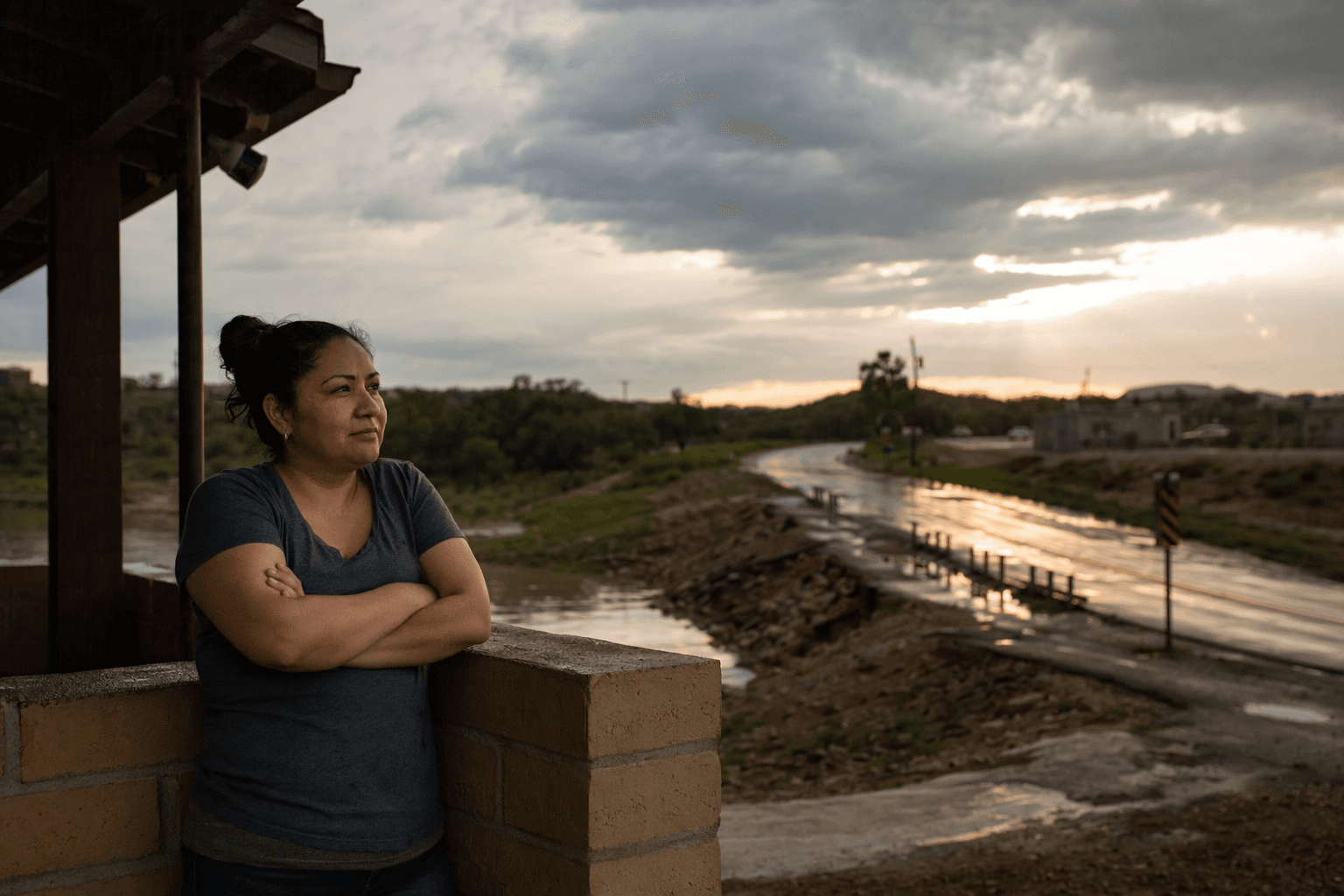
A flood watch covering Val Verde County was canceled later Friday after heavy rain began to taper off, but the warning had already put creeks, streams, poor-drainage areas and low-water crossings on alert for life-threatening flooding.
The National Weather Service Austin/San Antonio had placed Val Verde County and much of south-central Texas under the watch through 9 p.m. CDT May 1, warning that rainfall totals of 2 to 4 inches were expected, with isolated amounts of 6 inches possible. The agency’s Del Rio forecast for the day called for thunderstorms and showers, some producing heavy rainfall, with highs in the upper 60s and rain chances near 100 percent.
By late Friday evening, forecasters said locally heavy rain had affected parts of South Central Texas, but the air was drying and turning cooler behind the system. The watch was still listed to end at 9 p.m., and the broader setup was already shifting as an upper-level shortwave moved through, a stationary front lingered to the east, and a surface low developed near the western Gulf. Even so, the weather service said another 1 to 3 inches of rain remained possible in some areas while the storms were passing through.
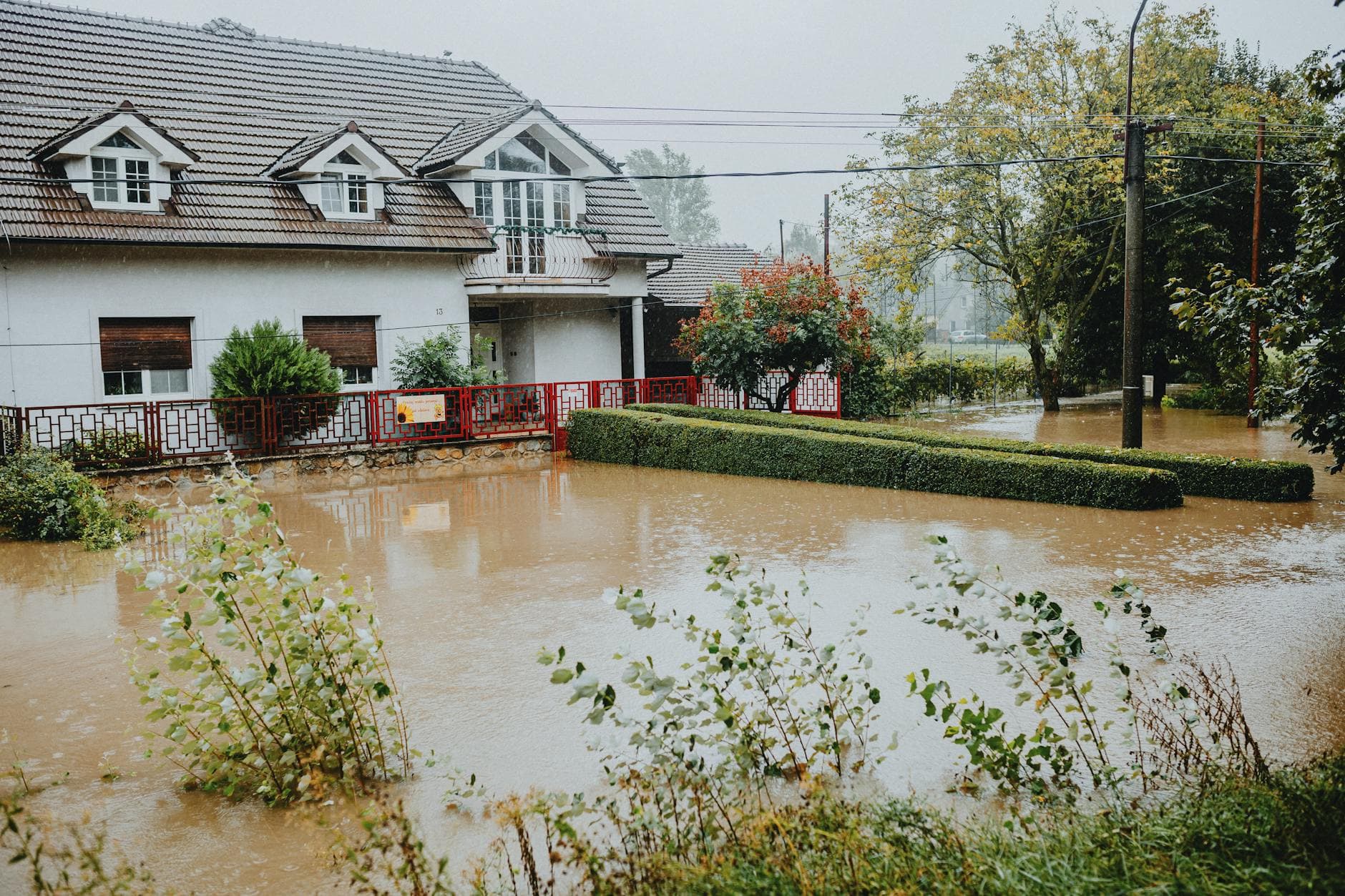
The quick cancellation did not erase the local flood risk. The Rio Grande corridor is especially vulnerable in Val Verde County, and the International Boundary and Water Commission has warned that the river can overflow its banks during localized heavy rainfall or when Amistad Dam releases flood flows. That can affect land along the riverbank and within the floodplain, including areas that may look dry upstream while water is rising elsewhere.
Val Verde County’s weather page had also listed the flood watch until 9 p.m. CDT May 1 and noted that some thunderstorms could produce heavy rainfall. For households in Del Rio and across the county, the practical takeaway is simple: when watches escalate, the first places to avoid are low-water crossings, ditch lines and any road near creeks or the Rio Grande, because the danger can peak before the headline changes.
This article was produced by Prism’s automated news system from verified source data, official records, and press releases, then run through automated quality and moderation checks before publishing. The system is built and supervised by the people who set the standards it runs under. Read our full AI policy.
Did this article answer your question?