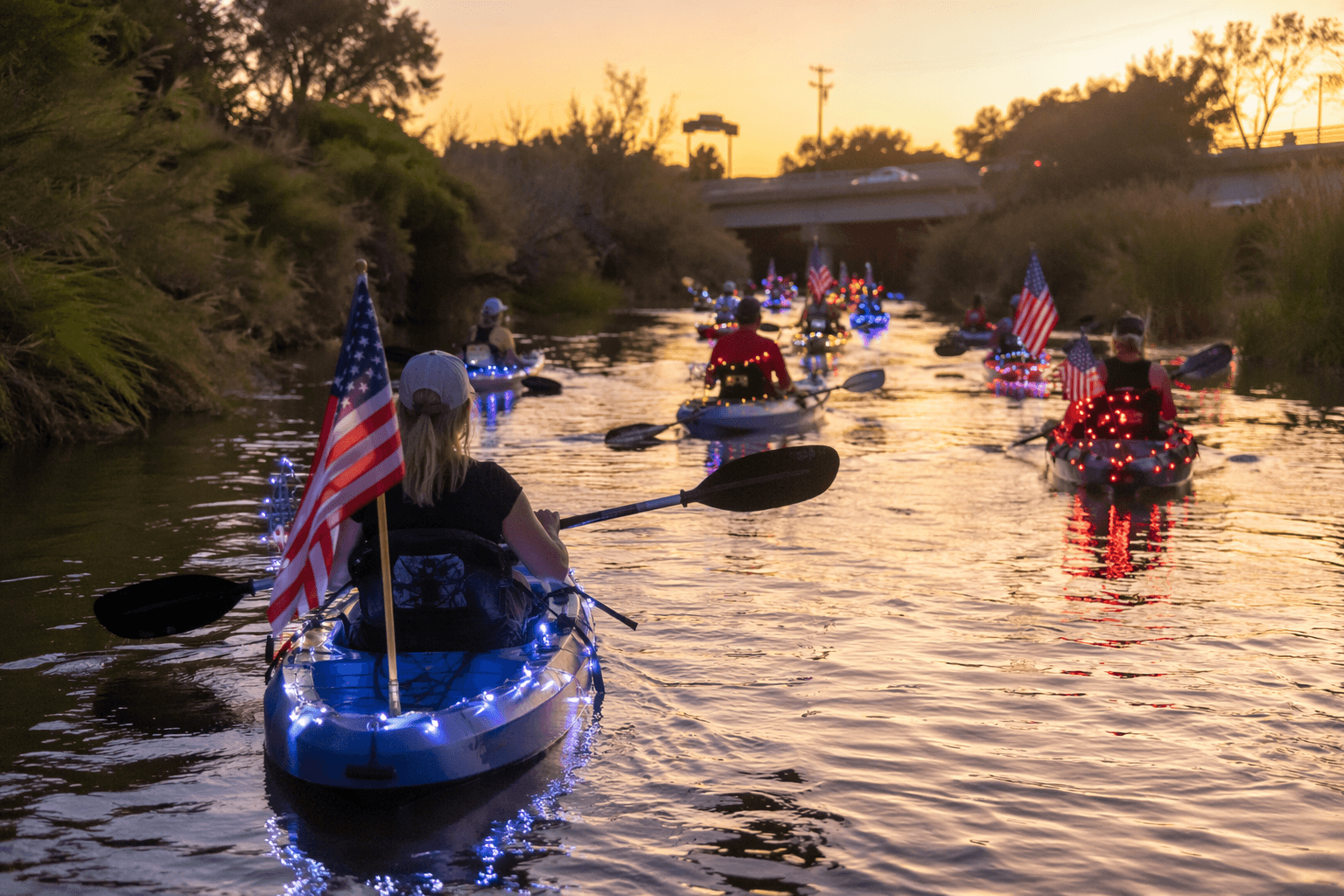
Laughlin Air Force Base installs new 87th Flying Training commander
Lt. Col. James Hesson took command of Laughlin’s 87th Flying Training Squadron as the unit runs 18,000 sorties, 7,200 academics and 100-plus pilots a year.
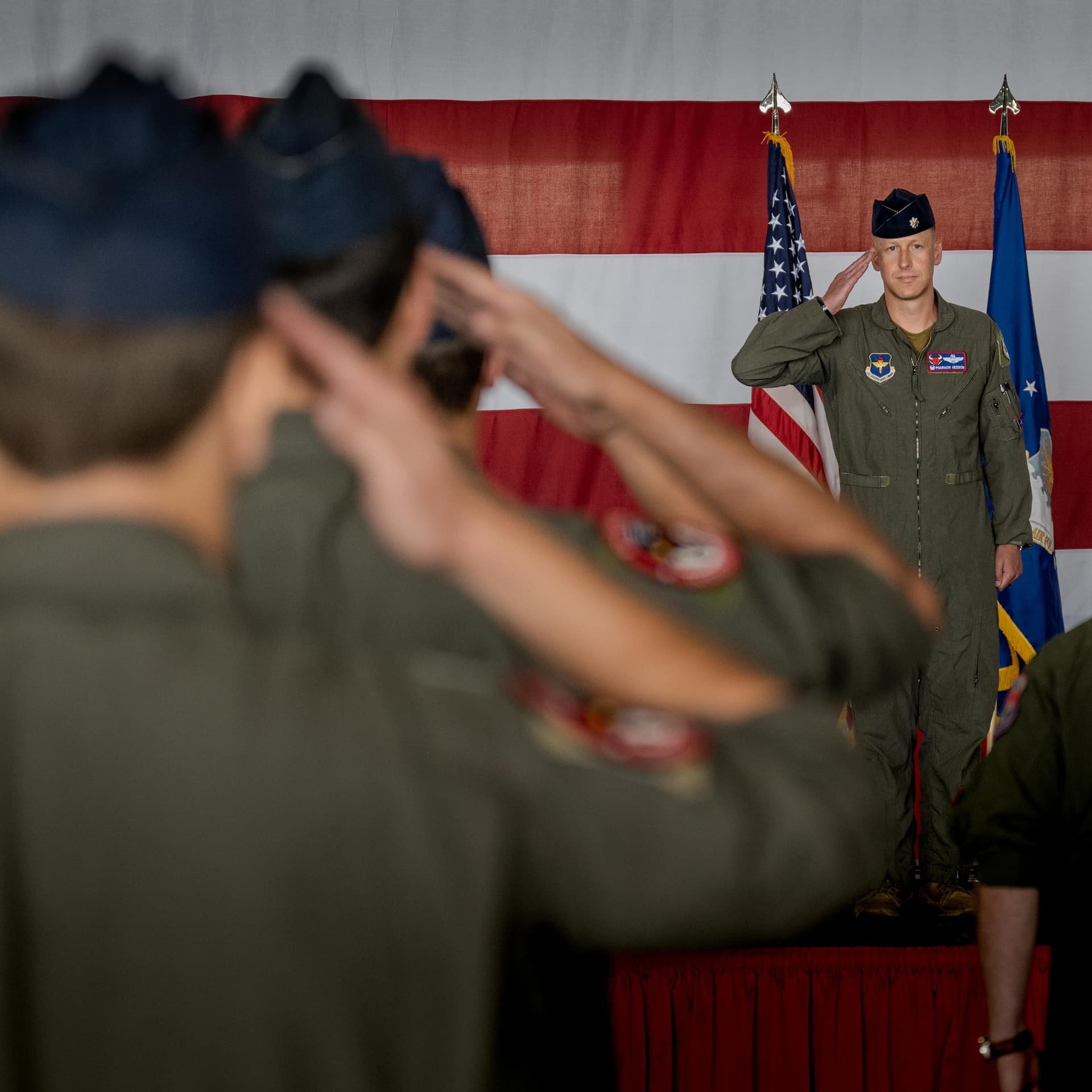
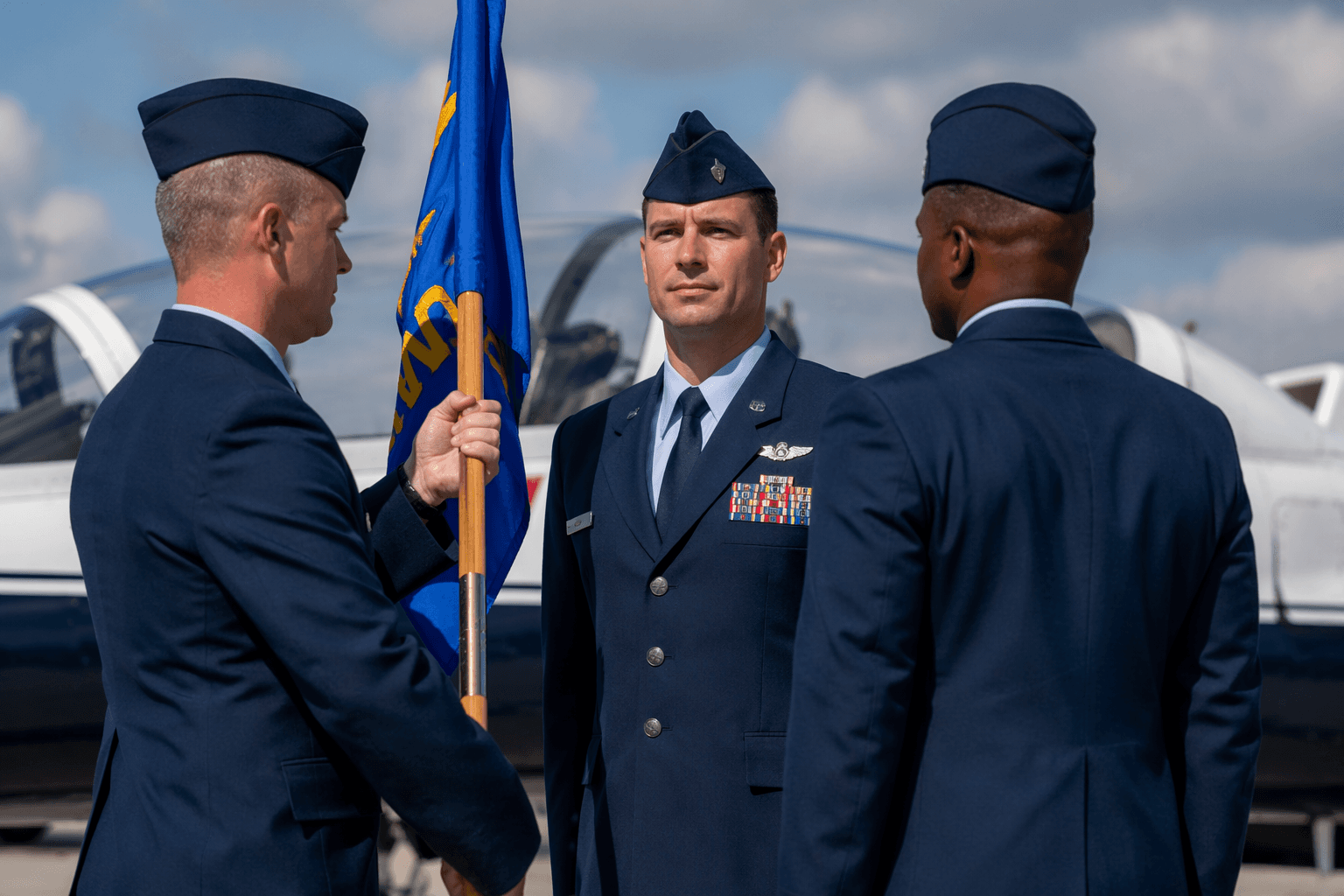
Laughlin Air Force Base handed the 87th Flying Training Squadron to Lt. Col. James Hesson in a leadership change that reaches far beyond a ceremonial guidon pass. The squadron sits at the center of the base’s pilot pipeline, and the handoff from Lt. Col. Jonathan Radtke sets the tone for how hard the unit will fly, train and interact with Del Rio.
Col. Eric Bissonette, commander of the 47th Flying Training Wing, presided over the June 12 change-of-command ceremony and presented the guidon to Hesson. Bissonette also recognized Radtke’s service as the outgoing commander received a meritorious service medal. Under Hesson’s watch, the 87th now oversees about 18,000 aircraft and simulator sorties and roughly 7,200 academic events, a workload carried by 71 aircrew members, 11 support personnel and 63 aircraft valued at about $409 million. The squadron produces more than 100 fighter and bomber pilots each year for the Combat Air Force.
For Del Rio and Val Verde County, the practical question is what, if anything, changes now. The 87th’s work shapes flight schedules, simulator traffic and the daily rhythm around Laughlin, where students, instructors and maintainers move through one of the Air Force’s most important training lines. Any adjustment in how Hesson manages tempo, training priorities or support operations can affect local concerns that reach well beyond the fence line, including noise patterns, housing demand, school ties and the use of local contractors.
Radtke leaves after a command that followed his 2024 arrival at the unit and reflected the scale of the mission he inherited. Hesson takes over a squadron that remains one of Laughlin’s core training organizations, feeding a pipeline that moves student pilots through classroom instruction, simulator work and live flying. The unit’s own history stretches back to the 87th Aero Squadron, organized on Aug. 18, 1917, and to its reactivation at Laughlin on April 2, 1990 as the 87th Flying Training Squadron.
The broader installation makes that continuity matter. The 47th Flying Training Wing has been at Laughlin since Sept. 1, 1972 and says it has trained more than 15,000 pilots for the United States and its allies. The wing’s mission relies on T-6 Texan II, T-38C Talon and T-1A Jayhawk aircraft, and when Bissonette took command of the wing on May 28, 2026, Laughlin said it had nearly 2,400 military and civilian personnel and more than 38,000 annual aircraft sorties. Texas estimates have put Laughlin’s economic contribution at least $1.7 billion in 2023, up from at least $1.5 billion in 2021, underscoring how a command change at the base carries weight well beyond the flight line.
This article was produced by Prism’s automated news system from verified source data, official records, and press releases, then run through automated quality and moderation checks before publishing. The system is built and supervised by the people who set the standards it runs under. Read our full AI policy.
Did this article answer your question?