Mexican, U.S. officials meet in Del Rio on border security coordination
Mexican and U.S. officials met in Del Rio to coordinate border security across a 245-mile sector that has already faced a record migration surge.
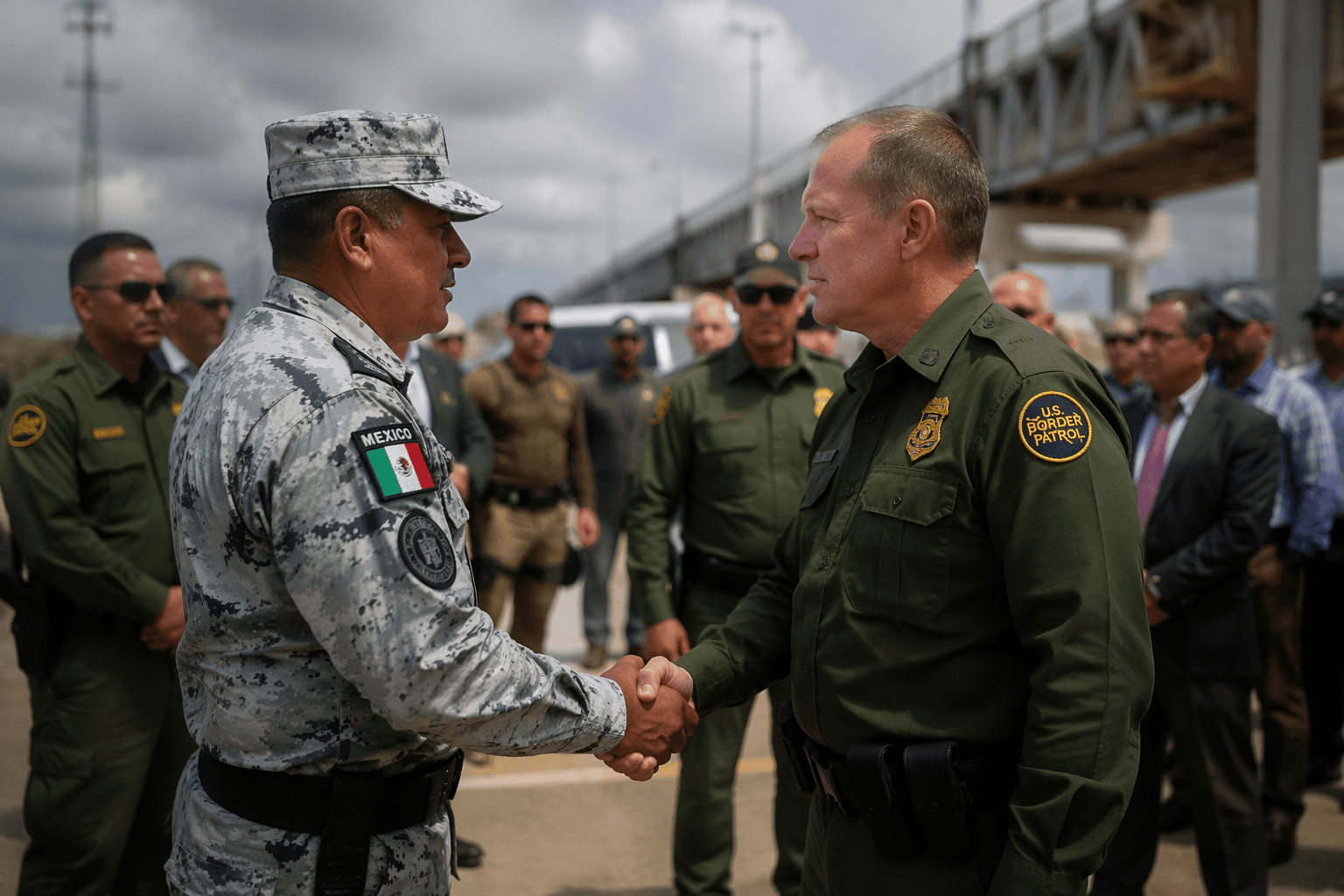
Del Rio’s role as a border checkpoint for both law enforcement and humanitarian pressure was front and center as Mexican migration officials met with U.S. Border Patrol, Army North and Customs and Border Protection representatives in the city. The talks focused on border security, human mobility and rights protection, a mix of issues that can quickly shape what happens along the Rio Grande and in Val Verde County.
The forum brought together officials from the Del Rio, Big Bend and Laredo sectors, underscoring how closely the West Texas border operates as a single enforcement landscape. CBP says the Del Rio Sector is responsible for detecting and preventing unlawful entry along 245 miles of the Rio Grande River and Lake Amistad, covering about 53,063 square miles of Texas. The Laredo Sector spans 96 counties, about 84,041 square miles and roughly 136 miles of Southwest border, while the Big Bend Sector adds another wide stretch of remote terrain to the same regional network.
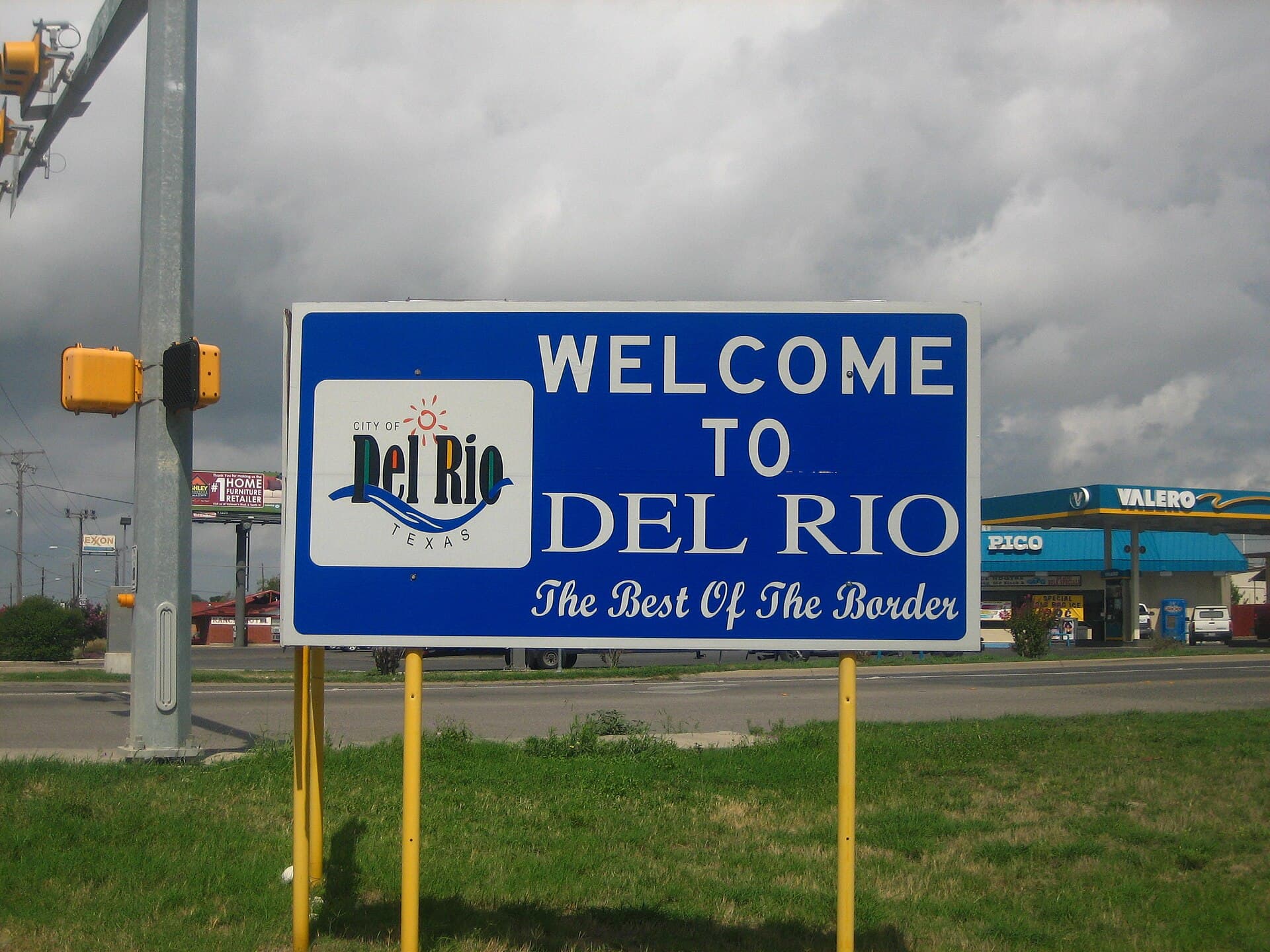
Del Rio’s location across from Ciudad Acuña, Coahuila, makes the city a natural place for binational coordination, not just a symbolic one. CBP says the Del Rio Station’s area of responsibility includes about 30 miles of river border and portions of several counties. That corridor has already seen one of the most intense migration episodes in recent memory: CBP’s Del Rio area after-action report said the September 8-24, 2021 mass migration event was the largest in recorded history of the U.S. Border Patrol.
For residents and local responders, the stakes extend beyond enforcement. The Val Verde Border Humanitarian Coalition has long handled migrant and refugee needs in Del Rio, while the Texas Department of State Health Services says binational health councils along the border date to 1965. Those traditions matter in a community where security, public health and emergency response often overlap at the same river crossing.
The State Department says U.S.-Mexico border cooperation includes work with federal, state and local officials on security, cross-border infrastructure, transportation planning and migration-related issues. In Del Rio, that means the practical impact of meetings like this is measured less by ceremony than by whether they lead to tighter coordination, faster communication and clearer responsibilities when the next surge reaches the riverbank.
This article was produced by Prism’s automated news system from verified source data, official records, and press releases, then run through automated quality and moderation checks before publishing. The system is built and supervised by the people who set the standards it runs under. Read our full AI policy.
Know something we missed? Have a correction or additional information?
Submit a Tip