Val Verde County Courthouse still serves as county government hub
The 1887 Val Verde County Courthouse is still where county records, filings and commissioner business happen at 400 Pecan St. in Del Rio, tying daily government to a landmark.
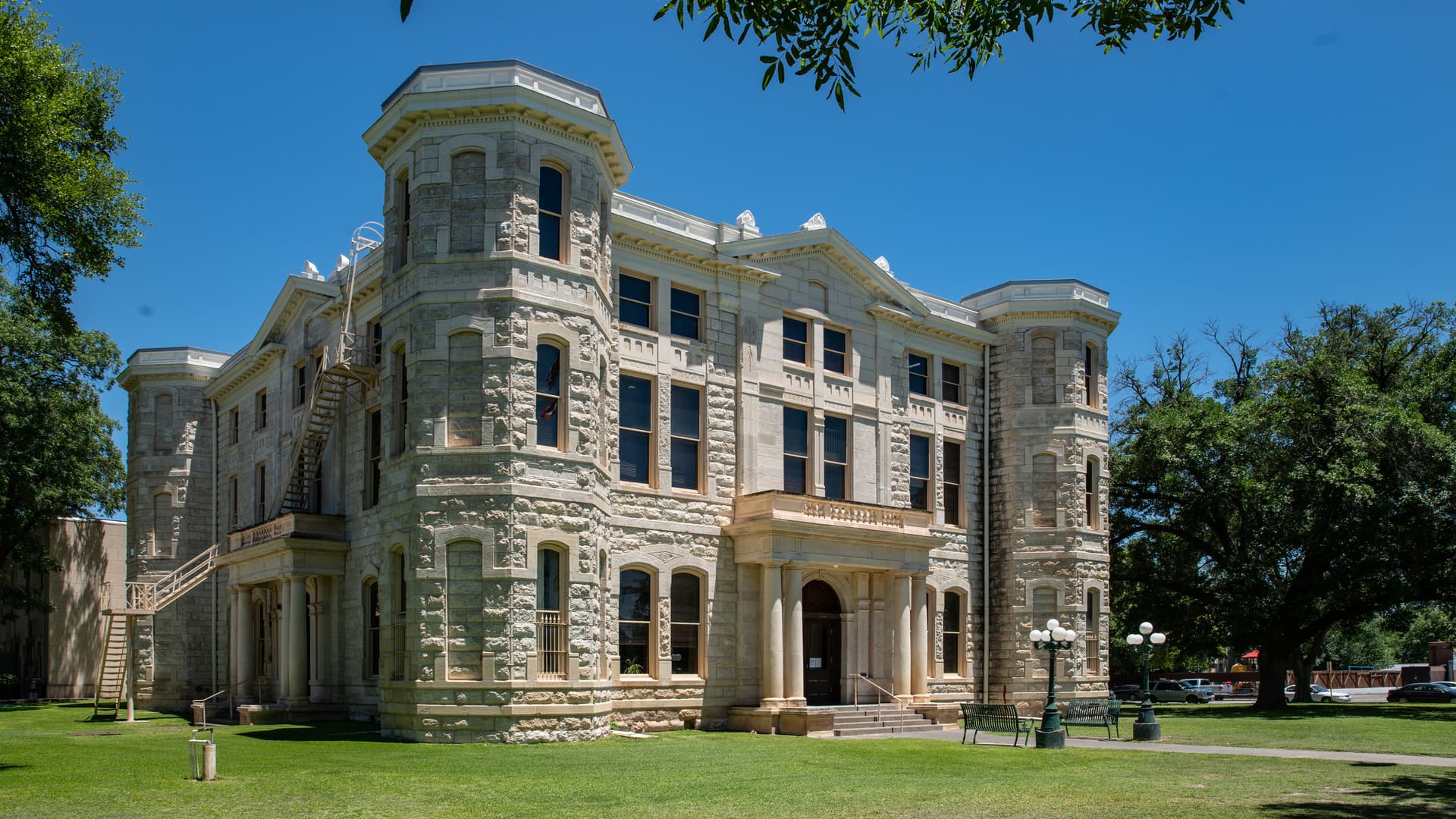
The Val Verde County Courthouse is not just a surviving 19th-century building in Del Rio. It is still county-owned, still an active courthouse, and still part of the daily machinery of local government at 400 Pecan St. Residents who need records, court filings or other county business are not visiting a museum piece. They are walking into the seat of county government that has served Val Verde County since 1887.
A courthouse built for a new county seat
Val Verde County was organized in 1885 from sections of Crockett, Kinney and Pecos counties, and Del Rio was selected as the county seat. Before the courthouse square took shape, commissioners set up offices in a commercial building on Perry Street, now South Main, which shows how quickly the new county needed a working government center. A limestone jail soon followed on a corner of the public square, reinforcing that the area around the courthouse was intended to hold the county’s core public functions.
The courthouse itself was constructed in 1887, only two years after the county was organized. That makes the building more than an architectural survivor: it is part of the original civic framework that helped turn Del Rio into the center of county administration. Its service dates run from 1887 to the present, and that continuity is the reason it still matters in the ordinary routines of local life.
How the building changed as the county grew
The Texas Historical Commission lists Larmour & Watson as the original architects, with Atlee B. Ayres tied to work in 1915. TexasCourtHouses.com describes the original 1887 courthouse as Second Empire and the 1915 redesign as Classical Revival, a shift that mirrors the broader pattern seen across Texas county seats where older buildings were expanded rather than replaced.
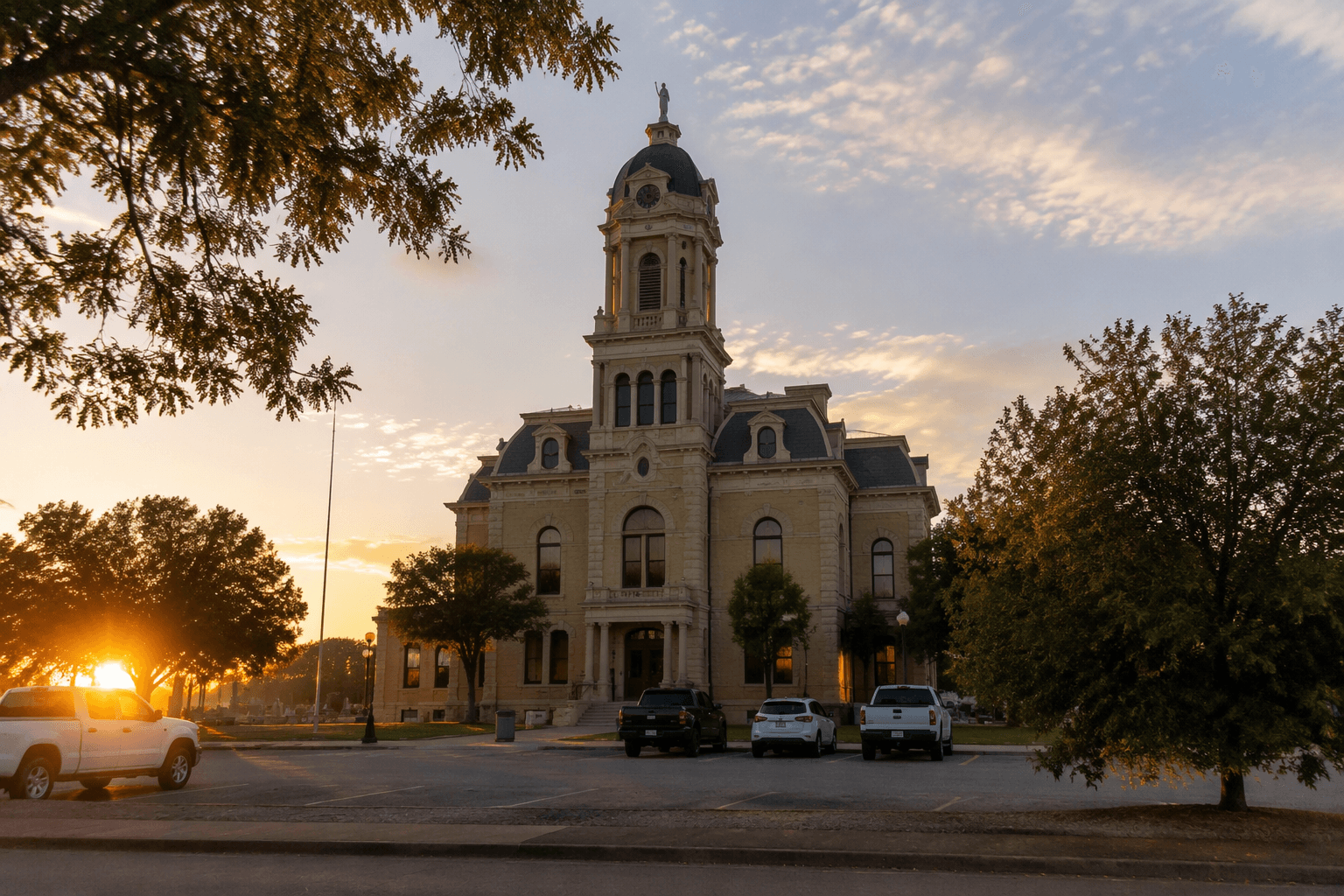
SAH Archipedia adds a precise detail from Ayres’ work: when he added a third floor, he covered the main body of the building with an octagonal metal dome at the center of a hipped roof, and the towers received new detailing. Those alterations are important because they show the courthouse was adapted for new demands without losing its role at the center of county government. Val Verde County did not preserve the building by freezing it in place; it kept it useful and changed it as public needs changed.
What still happens inside today
The courthouse remains a working government building, not a symbolic shell. The Val Verde County Clerk’s Office operates there and provides e-recording and e-filing services, which means some of the most routine county business now passes through a building that began service in the 19th century. The county government site also places the commissioners’ offices in Del Rio, keeping the courthouse connected to the people who manage county operations, budgets and administrative decisions.
That blend of old structure and current function is what gives the courthouse its daily relevance. It is where residents handle official business that affects land records, court matters and the paper trail of county life. In practical terms, the building defines county government because it is where county government is still carried out.
Why preservation is a public issue, not just an architectural one
Texas has more historic courthouses than any other state, with more than 240 still standing that are at least 50 years old, and about 80 built before the turn of the 20th century. The Val Verde County Courthouse sits inside that larger state story, but it is also part of the Texas Historical Commission’s restored historic courthouses program, which underscores that the building is valued not only for its age but for its continued use.
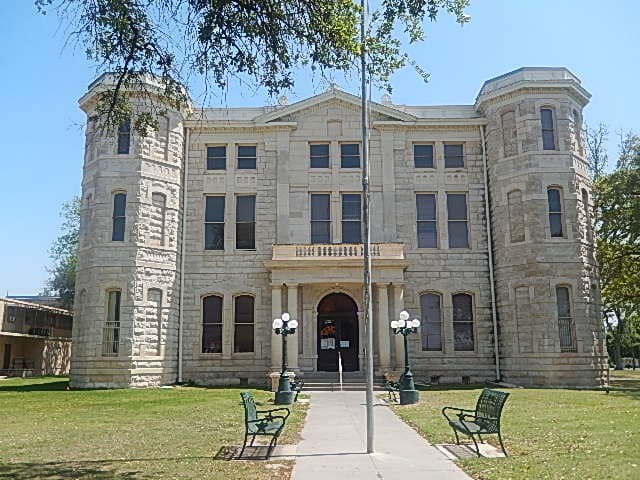
Preservation work on the courthouse has included exterior masonry restoration, dutchman repairs, cleaning, reconstruction of missing stone detailing based on surviving evidence, and structural repair and reinforcement. Volz & Associates identifies the courthouse as listed on the National Register of Historic Places and as a State Archeological Landmark, which raises the stakes of every repair decision. For taxpayers, that means upkeep is not a matter of cosmetic preference. It is a choice about how to keep a legally protected, heavily used public building open, safe and functional without stripping away the historic fabric that makes it distinctive.
Those repair choices matter in a county courthouse because the building is still being used for government work every day. A preservation approach that protects masonry, restores missing detail and reinforces structure is not just about looks. It is what allows Val Verde County to keep county business inside the same building that has anchored Del Rio’s courthouse square for generations.
Why the courthouse still defines Del Rio
The courthouse remains central because county seats are defined as much by daily function as by symbols on postcards. In Del Rio, the Val Verde County Courthouse still signals where county authority lives, where official records are kept and where residents go when they need the county itself. Its address at 400 Pecan St. places it squarely in the civic core, and its long service since 1887 makes it one of the clearest links between the county’s original organization and its present-day government.
That continuity gives the building a practical value that goes beyond its age. The courthouse square, the clerk’s office, the commissioners’ offices and the preserved structure itself all work together to keep county government visible and reachable. In Val Verde County, the courthouse still does what it was built to do: hold the center of local government in plain sight.
This article was produced by Prism’s automated news system from verified source data, official records, and press releases, then run through automated quality and moderation checks before publishing. The system is built and supervised by the people who set the standards it runs under. Read our full AI policy.
Did this article answer your question?