Acequias still shape daily life across Valencia County
Acequias still decide who can farm, landscape, and plan ahead in Valencia County, where canal schedules and maintenance remain household-level infrastructure.
Acequias are still the county’s water backbone
If the ditches slow down, Valencia County feels it at the kitchen sink, in the garden, and out on the fields. In Los Lunas, Belen, Bosque Farms, Peralta, Rio Communities, and the Rio Grande corridor, acequias and irrigation canals still determine who can grow food, keep land productive, and hold onto the green spaces that define river communities.
That makes water management more than an environmental question. It is local infrastructure with direct household and economic consequences: whether families can irrigate, whether small growers can stay in business, whether a property owner can keep a yard alive through the season, and whether farmland and bosque habitat remain viable as the county grows.
A system built on shared responsibility
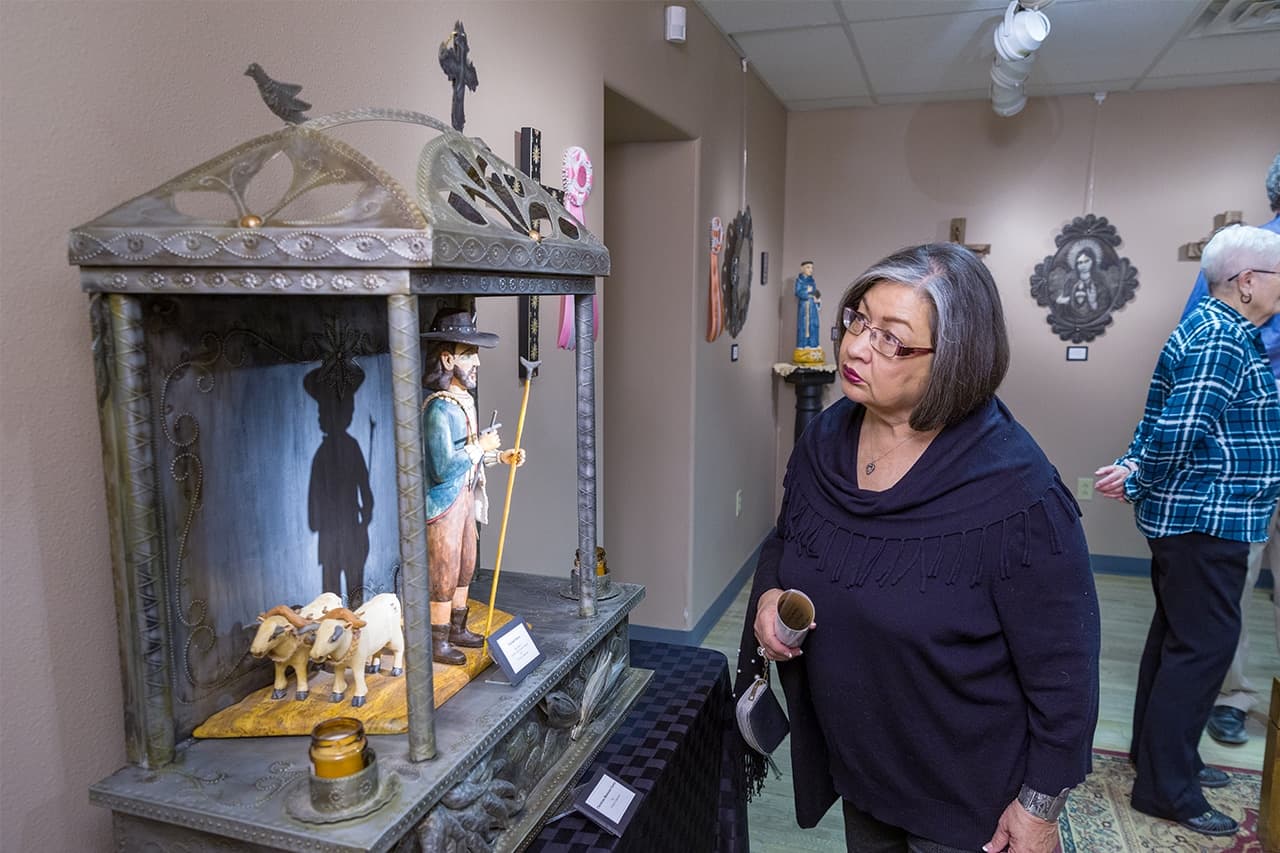
New Mexico recognizes acequias, or community ditches, as political subdivisions of the state. Many trace back to the Spanish colonization period of the 17th and 18th centuries, and the U.S. Army Corps of Engineers says acequia irrigation in New Mexico dates to the 16th-century Spanish settlement of the state. In other words, the system is not a relic sitting outside modern life. It is a public structure that has adapted across centuries and still helps organize land use across the Middle Rio Grande Valley.
That legacy shows up in the way acequias work. Seasonal cleaning, local coordination, and shared maintenance are part of ordinary upkeep, not occasional extras. The system depends on neighbors showing up, because water does not move itself and the people who use it have always had a stake in keeping it moving.
Acequia associations in New Mexico can use eminent domain and enter contracts for maintenance and improvements, but they do not have taxing power. That means the cost of keeping the system functional falls on the people it serves. The New Mexico Legislature can appropriate funds to help individual acequias or community ditches with specific projects, but the day-to-day burden still lands close to home.
What Valencia County’s water network covers
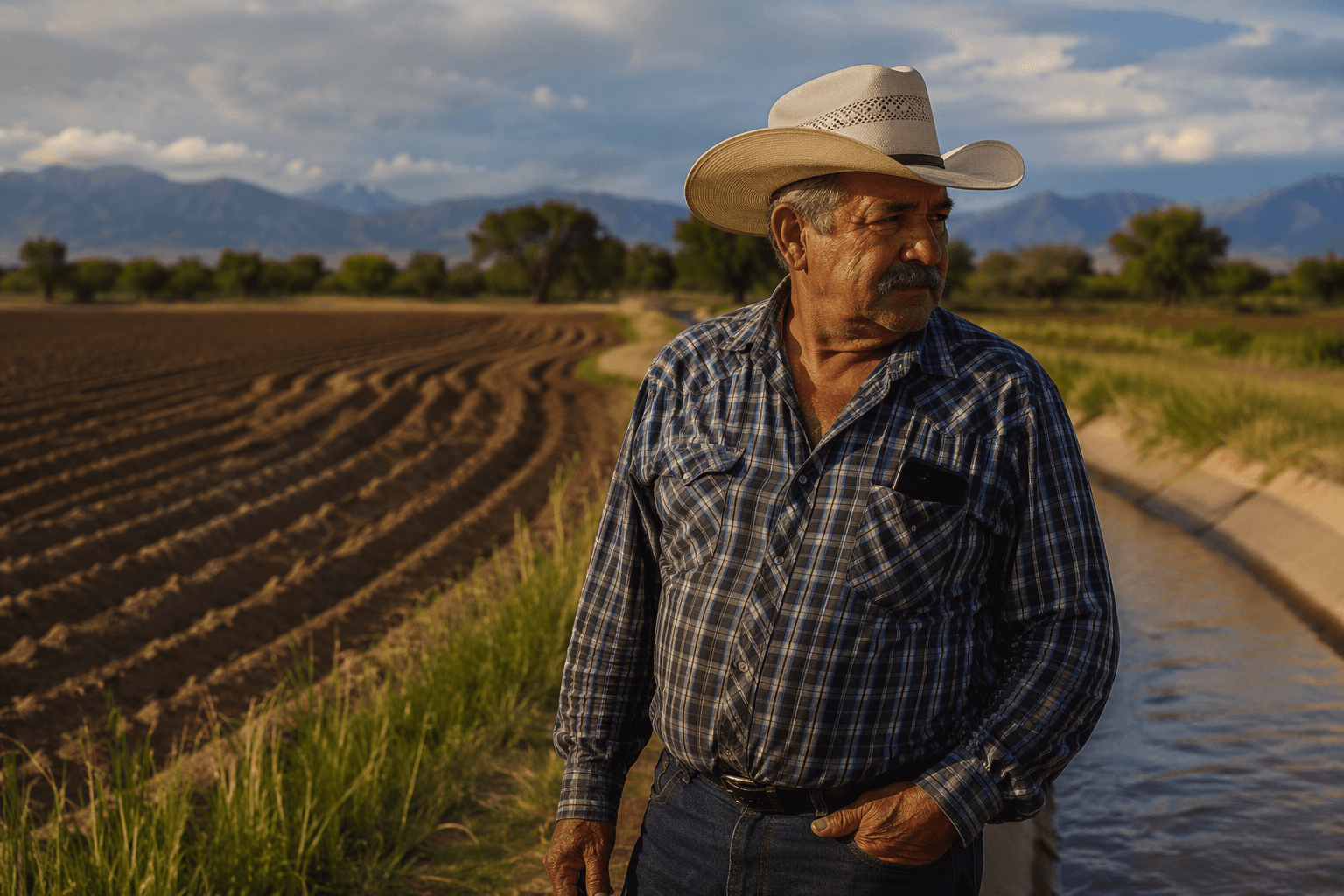
The Middle Rio Grande Conservancy District serves Sandoval, Bernalillo, Valencia, and Socorro counties, and its Belen Division is the largest division in the district. That division serves irrigated acreage in Valencia and northern Socorro counties, including Belen, Los Lunas, Peralta, Bosque Farms, and Isleta Pueblo. It operates and maintains about 420 miles of canals, irrigates about 30,100 acres, and is staffed by 58 employees.
Those numbers matter because they show how much of Valencia County still depends on a managed water system rather than private wells or isolated lots. MRGCD says irrigators are the main and original users of the ditches, canals, and acequias within the district boundaries. That helps explain why irrigation scheduling is still a practical concern for growers, landowners, and families who live near productive land.
The district also held a Valencia County Farmers and Irrigators Meeting on January 22, 2026, in Belen. The fact that this work continues through regular local meetings shows how much of the system still runs on coordination, not just engineering. The people using the ditches are also the people who have to talk through timing, access, and maintenance.
Why shortages and delays hit daily routines
Water pressure in Valencia County is not abstract. Drought, population growth, and competing demands all shape how residents think about land, development, and the future of irrigated fields. Even without a crisis headline, the effects show up in decisions about yard upkeep, property planning, and whether open space stays open or gets pushed into more intensive use.
For small growers, a disruption in flow can mean more than inconvenience. It can mean lower yields, missed planting windows, or extra costs to make up for lost irrigation. For households, it can mean letting landscaping go, changing how property is managed, or spending more to keep plants and trees alive through dry periods. For river communities, it can also mean pressure on the landscape itself, including the bosque habitat that depends on the larger Rio Grande system.
That is why acequia schedules and canal maintenance are part of the local economy. A ditch that works well supports food production, property value, and the everyday routines that let families stay rooted in place.
The institutions trying to keep the system working
The New Mexico Acequia Association, established in 1989, is a statewide membership organization focused on protecting water, strengthening acequia agriculture through education and advocacy, and honoring cultural heritage. The New Mexico Acequia Commission was created in 1987 and established by statute in 1993 to advise state leaders and connect local acequia organizations with government.
Those institutions matter because acequias sit at the intersection of tradition, law, and public administration. They are local systems, but they also rely on state recognition, state funding, and state-level coordination. That makes them a policy issue as much as a cultural one, especially when drought and development raise the stakes for every acre served by the canals.
In Valencia County, that structure keeps the question grounded in practical terms: who controls access, who maintains the ditch, and who absorbs the cost when water arrives late or not at all. The answer is not just in state statutes or agency maps. It is in the fields, yards, and neighborhoods that still depend on the Rio Grande’s old network of shared water.
This article was produced by Prism’s automated news system from verified source data, official records, and press releases, then run through automated quality and moderation checks before publishing. The system is built and supervised by the people who set the standards it runs under. Read our full AI policy.
Know something we missed? Have a correction or additional information?
Submit a Tip