Bosque Farms man pleads guilty to illegal firearm possession on Isleta Pueblo
A Bosque Farms man admitted he had a shotgun on Isleta Pueblo despite felony and domestic-violence convictions that barred him from owning any firearm.
A Bosque Farms man pleaded guilty in federal court after prosecutors said his felony record and four misdemeanor domestic-violence convictions made him a prohibited person under federal law. Warren Chewiwi, 52, now faces up to 15 years in prison, followed by three years of supervised release, for illegally possessing a firearm on Isleta Pueblo.
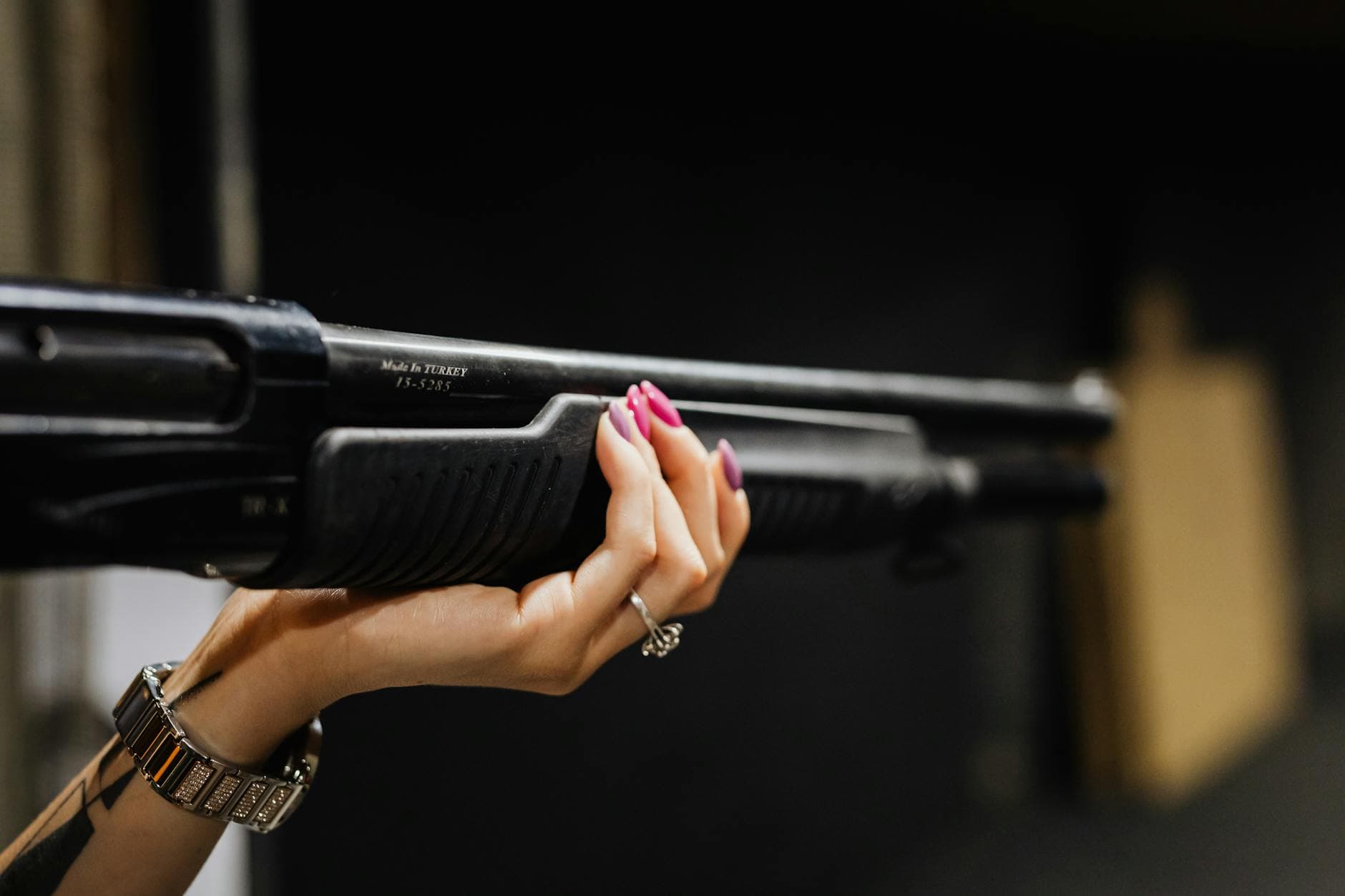
Federal records say Chewiwi admitted he possessed a 12-gauge shotgun and shotgun shells on July 15, 2024, on Isleta Pueblo. The case moved through the U.S. Attorney’s Office for the District of New Mexico because his prior convictions stripped him of the legal right to own or possess guns or ammunition, placing the matter squarely under federal firearms law rather than a routine local possession case.

Chewiwi’s record stretches across three New Mexico sovereigns, federal court, the State of New Mexico and Isleta Pueblo. Prosecutors said he has two prior felony convictions and four prior convictions for misdemeanor crimes of domestic violence. That history is what turned a firearm possession case into a federal prosecution, with the government treating him as a repeat offender who was barred from having any gun at all.
The plea also adds to a longer public-safety pattern tied to Valencia County and surrounding tribal jurisdictions. A separate federal case from 2015 shows Chewiwi, then identified as a member of Isleta Pueblo living in Bosque Farms, pleaded guilty to domestic assault by a habitual offender and was sentenced to 23 months in federal prison. That earlier case stemmed from an offense in Indian Country in Valencia County, tying his criminal history to the same region now seeing another federal firearm conviction.
Federal prosecutors said the firearm case was charged as part of an ongoing effort to combat violent crime and protect families in tribal communities through community-focused initiatives. The Justice Department’s Office on Violence Against Women has said Native Americans experience some of the highest rates of violence in the country, and Native women and girls face disproportionately high levels of sexual and gender-based violence, including intimate partner abuse.
For Valencia County readers, the case underscores how firearm possession, domestic violence and repeat offending can intersect across local, tribal and federal systems. In this case, that intersection ended with a guilty plea, and with a former prohibited possessor now awaiting sentencing under federal law.
This article was produced by Prism’s automated news system from verified source data, official records, and press releases, then run through automated quality and moderation checks before publishing. The system is built and supervised by the people who set the standards it runs under. Read our full AI policy.
Did this article answer your question?

