Los Lunas plant center develops drought-ready conservation solutions
Los Lunas's plant center turns native grasses into drought-ready tools for ranchers and agencies. Its releases help stabilize soil, rebuild habitat, and cut restoration costs across the Southwest.
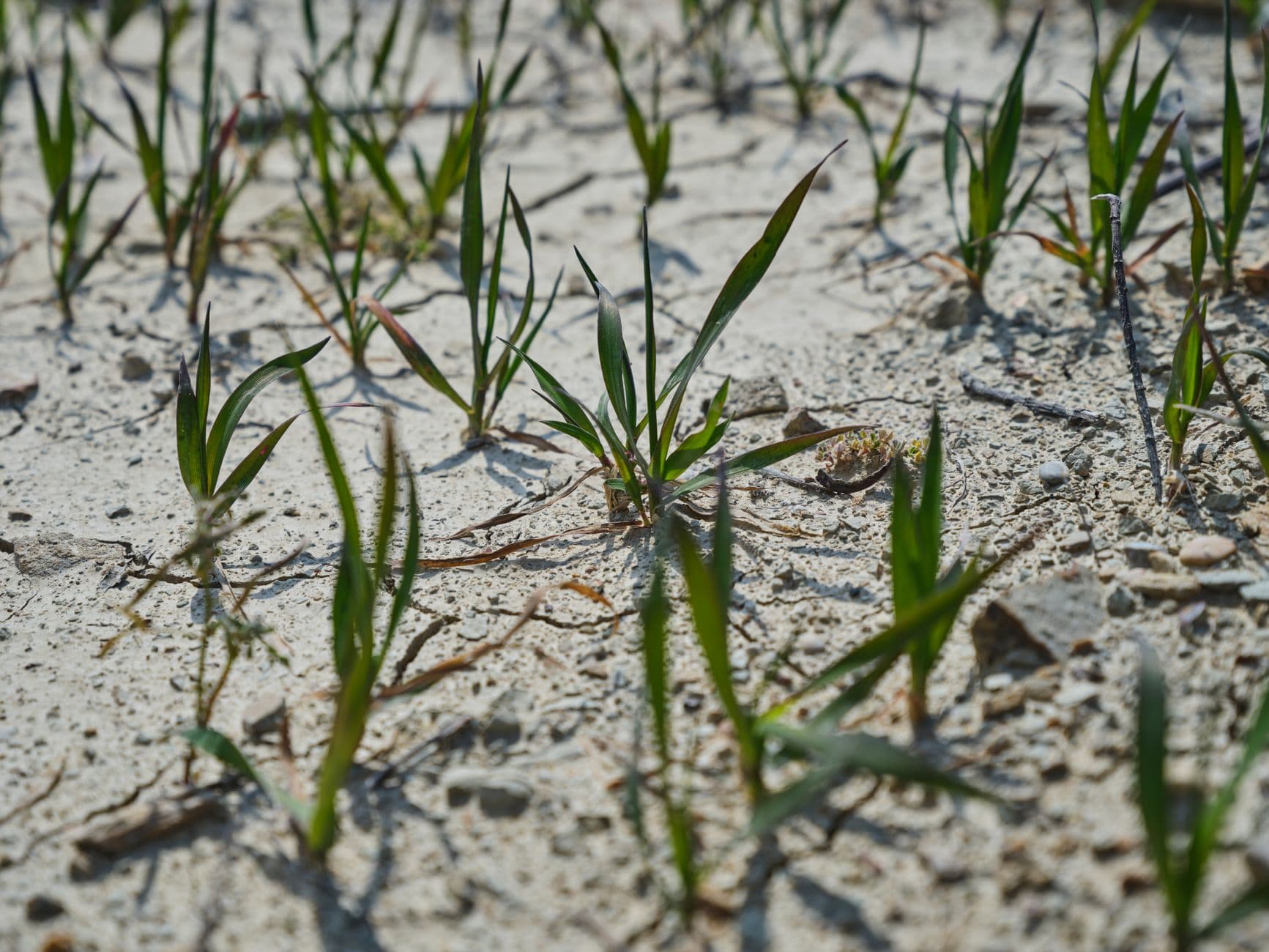
At 1036 Miller Rd. in Los Lunas, a federal plant center is working on one of Valencia County’s most practical resilience problems: how to keep land covered when water is scarce and the ground will not hold. The Los Lunas Plant Materials Center is part of the USDA NRCS Plant Materials Program, a nationwide network of 25 centers, and its job is not ornamental gardening. It is applied science for an arid region where drought, heat, erosion, and weak soil structure make revegetation expensive and uncertain.
Why Los Lunas matters in a dry county
The center serves the Southwest arid and semi-arid region. The 2023 Report of Activities lists northeast Arizona, southeast Colorado, New Mexico, southeast Utah, and southwest Texas in that reach. It focuses on improving soil health in range and agricultural land, with additional work in wildlife habitat and urban conservation.
A technical paper lists average annual precipitation at the Los Lunas PMC site at 251 mm, or about 9.9 inches. In a place that dry, seed choice is not a small detail. If a plant cannot establish quickly under intense sun and limited moisture, the cost of restoration rises with every failed attempt, every extra truckload of seed, and every round of watering that a project budget has to absorb.
What the center actually develops
The Los Lunas center is built around the collection, propagation, and increase of native grass seed. That phrase sounds technical because the work is technical: the center is trying to turn local ecology into a dependable conservation tool. Instead of relying on generic seed mixes, it studies grasses, forbs, shrubs, and trees that fit regional climate and soils, which is why the work is useful on rangelands, along roadsides, and on damaged sites that need cover fast.
The center’s release history shows how that science translates into field use. Plant-release materials associated with Los Lunas research include improved native grasses such as ‘Vaughn’ sideoats grama and ‘Alma’ blue grama. More recent activity reports cover seed-production and evaluation work involving ‘Niner’ sideoats grama and ‘Salado’ alkali sacaton. Those names represent traits that matter on the ground: better seed production, stronger seedling vigor, improved establishment, and a better chance that a project takes hold the first time.
USDA/NRCS plant materials pages list 41 grasses, forbs, trees, and shrubs released for conservation needs in New Mexico and neighboring states. The 2024 New Mexico annual report records 41 conservation plants released since 1935, and a USDA seminar abstract dated September 15, 2023, describes 41 plant releases developed for rangeland conservation, erosion mitigation, and habitat improvement.
How the plants get used when land is failing
The practical payoff shows up wherever bare soil needs help. Ranchers use native grass releases to rebuild grass cover after heavy use or disturbance. Agencies lean on the same kind of plant materials to stabilize slopes, ditches, and other disturbed ground where wind and runoff can strip away topsoil before roots have time to bind it.
The restoration logic is especially clear on burned or otherwise damaged land. After wildfire, or after grading, flooding, or overgrazing, the first challenge is often erosion control, not aesthetics. If the seed is wrong for the site, the project pays twice: once for the first planting and again for the reseed, along with the labor, water, and equipment time needed to come back and fix it.
The center’s work also reaches into riparian restoration, pollinator plants by direct seeding, and studies of plant functional groups of western range plants. Riparian work helps where streams and drains are vulnerable. Direct-seeded pollinator plants can support broader habitat goals without high irrigation demand. Plant functional group studies help managers choose species that behave predictably under Southwest conditions instead of hoping a one-size-fits-all mix will survive.
- On range land, the goal is to rebuild cover that livestock and wildlife can use.
- On disturbed soil, the goal is to hold the ground in place before wind and water take it.
- On urban and roadside sites, the goal is to get vegetation established without heavy irrigation.
A local institution with regional reach
The center’s history goes back to the Albuquerque Soil Conservation Service Nursery, established in 1936 in the 2023 Report of Activities.
A USDA blog post dated October 21, 2013, documents the center’s role in restoring the Grand Canyon’s South Rim. Project summary reports also reference long-standing partnerships with Zion National Park.
This article was produced by Prism’s automated news system from verified source data, official records, and press releases, then run through automated quality and moderation checks before publishing. The system is built and supervised by the people who set the standards it runs under. Read our full AI policy.
Did this article answer your question?