New Mexico urged to invest in water infrastructure as supplies shrink
Los Lunas’ population reached 20,572 as state planners warn New Mexico could have 25% less water in rivers and aquifers within 50 years.

Los Lunas is still growing, but the water system serving Valencia County is already feeling the strain. The village’s July 1, 2025 population estimate reached 20,572, up from 17,242 in the 2020 census, while the Middle Rio Grande Conservancy District warned Valencia County irrigators in 2026 that limited supplies were constraining deliveries.
That pressure is exactly what Gov. Michelle Lujan Grisham’s 50-Year Water Action Plan was built around. Released in January 2024, the plan says climate change could leave New Mexico with about 25% less water available in rivers and aquifers over the next 50 years, a shift state leaders say would touch drinking water, irrigation, businesses, and the cleanup of contaminated sites.
The plan lays out three broad goals: conserve the water New Mexico already has, develop new supplies, and protect watersheds and water quality. State planning materials say New Mexicans use about 3 million acre-feet of surface and groundwater each year, drawing from more than 170 lakes and reservoirs, nearly 200,000 miles of rivers and streams, over 1 million acres of wetlands, and more than 30 groundwater basins and aquifer systems. The governor’s office said the plan was shaped by nations, tribes, pueblos, acequias, farmers, universities, national labs, and recommendations from the 2022 New Mexico Water Policy and Infrastructure Task Force.
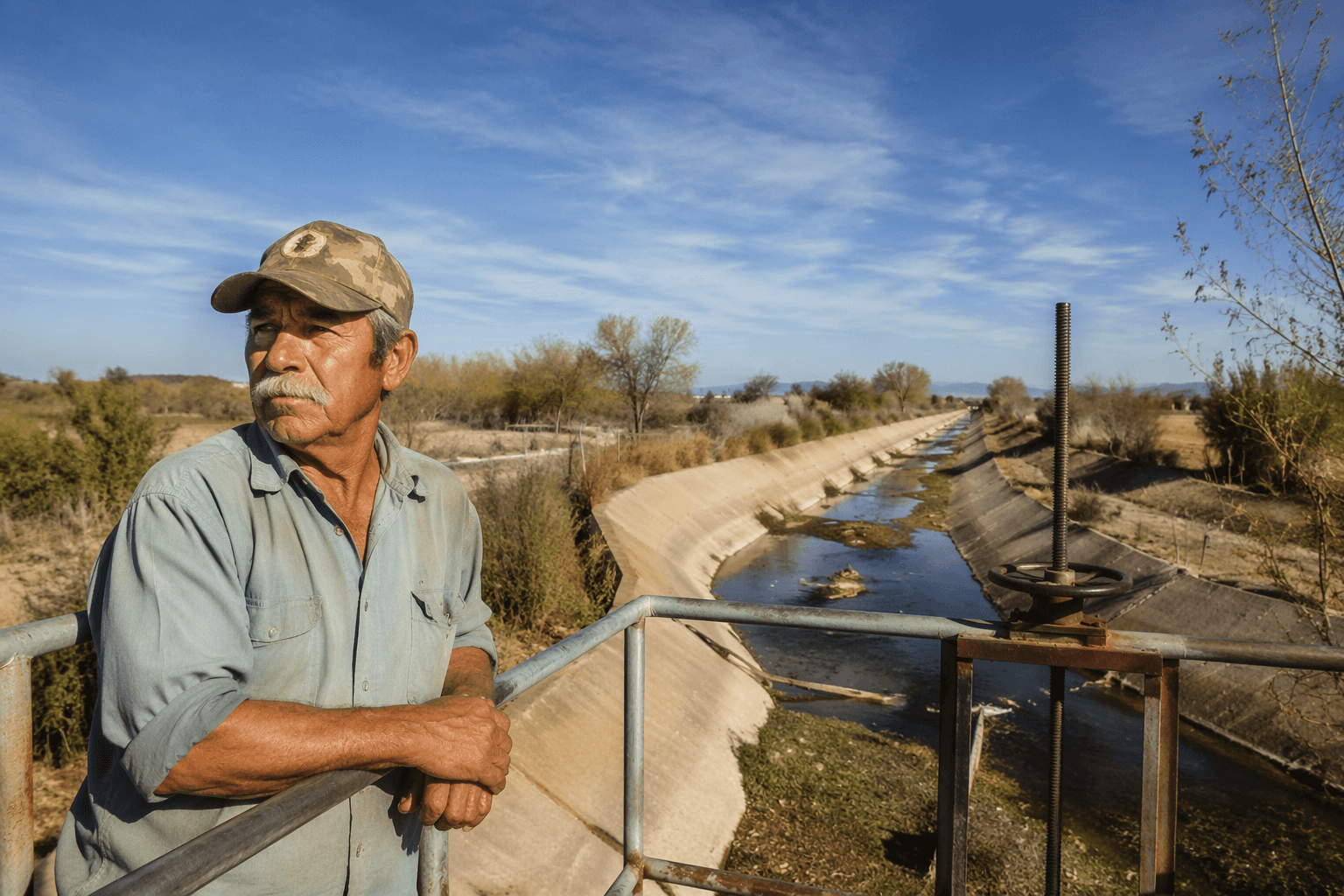
For Valencia County, the stakes are practical. The Middle Rio Grande Conservancy District says its Belen Division serves irrigated acreage in Valencia and northern Socorro counties, including Los Lunas, Belen, Peralta, Bosque Farms, and Isleta Pueblo. In a county where growth and agriculture share the same river system, delays in upgrades can quickly turn into shorter irrigation deliveries, more expensive repairs, and tougher land-use decisions for local governments.
The state is also trying to pay for the work. The New Mexico Water Trust Board, created by the 2001 Legislature through the Water Project Finance Act, funds storage, conveyance, endangered-species compliance, watershed restoration, flood prevention, water conservation and reuse, and wastewater projects. The column backing the state’s approach said the Water Project Fund was strengthened with a $300 million infusion across 2025 and 2026. State officials also launched a public dashboard in May 2026 to track progress.
Water quality remains part of the same problem. New Mexico groundwater and drinking-water programs identify and clean up contaminated sites to protect public health, and state materials cite arsenic, uranium, nitrate, fluoride, and bacteria as ongoing concerns. In the Belen watershed, flooding in recent years damaged property and infrastructure, prompting a flood-prevention study with Valencia County and USDA Natural Resources Conservation Service. With the U.S. Supreme Court approving a settlement in May 2026 that ended the long-running interstate Rio Grande dispute, the state is moving to reduce uncertainty before shortages and aging systems hit Valencia County households, farms, and businesses even harder.
This article was produced by Prism’s automated news system from verified source data, official records, and press releases, then run through automated quality and moderation checks before publishing. The system is built and supervised by the people who set the standards it runs under. Read our full AI policy.
Did this article answer your question?

