Rio Grande water levels double, easing drought pressure in Valencia County
Heavy rain more than doubled Rio Grande flows, briefly reconnecting dry stretches and giving Valencia County irrigators a short reprieve.
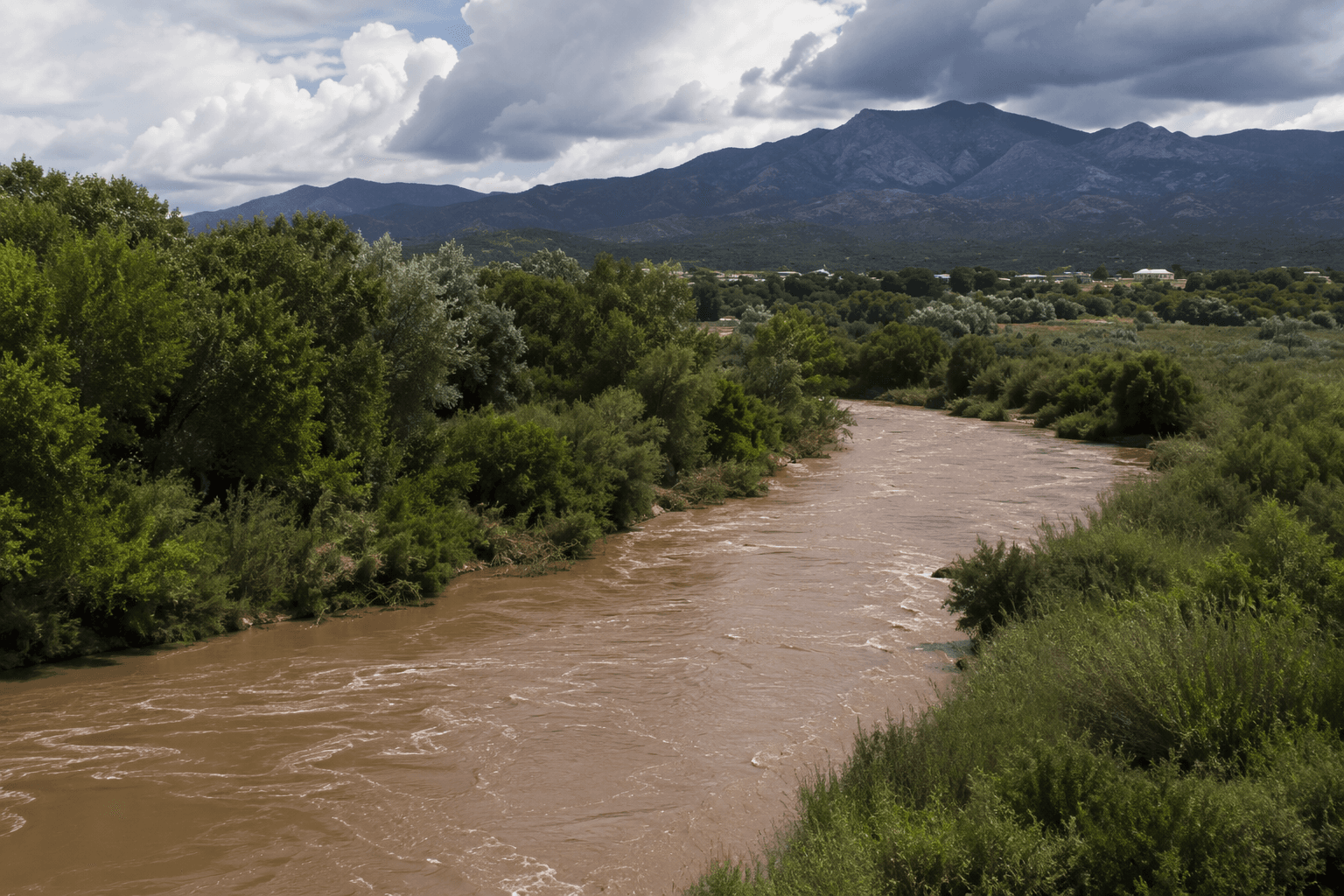
Heavy rain pushed Rio Grande water levels to more than double in the past week, briefly reconnecting stretches that had dried up through the summer and giving Valencia County farmers and acequias a short-term break from drought pressure. In a county where river flow still shapes irrigation schedules, pasture conditions and how much water local ditches can carry, even a temporary rise can change who gets water and when.
The Middle Rio Grande Conservancy District said the higher flows helped ease strain on the system after weeks of dry channel conditions. That matters in Valencia County because every uptick in the river can reduce pressure on diversion timing for acequia users and growers trying to keep crops alive through the hottest part of the season. The gain is real, but it is limited: the district also said recent rainfall allowed only short-lived non-Pueblo deliveries to resume upstream of Isleta on July 20, including on the Carrie, Newborn and Gun Club laterals in Albuquerque’s South Valley, with the window expected to last about two to three days.
The district’s July 2026 irrigation and hydrology update, based on data obtained July 1, said the San Juan-Chama Project moves water from the San Juan River Basin into the Rio Grande Basin and that imported water is not subject to the Rio Grande Compact. That supply is part of how the Middle Rio Grande system gets through dry periods, but it does not erase the region’s limits. In its June 2019 drought contingency plan, the district said it delivers irrigation water to about 60,000 acres along a 150-mile stretch of the Rio Grande in central New Mexico and operates as a run-of-river system that depends heavily on current flow rather than large storage.
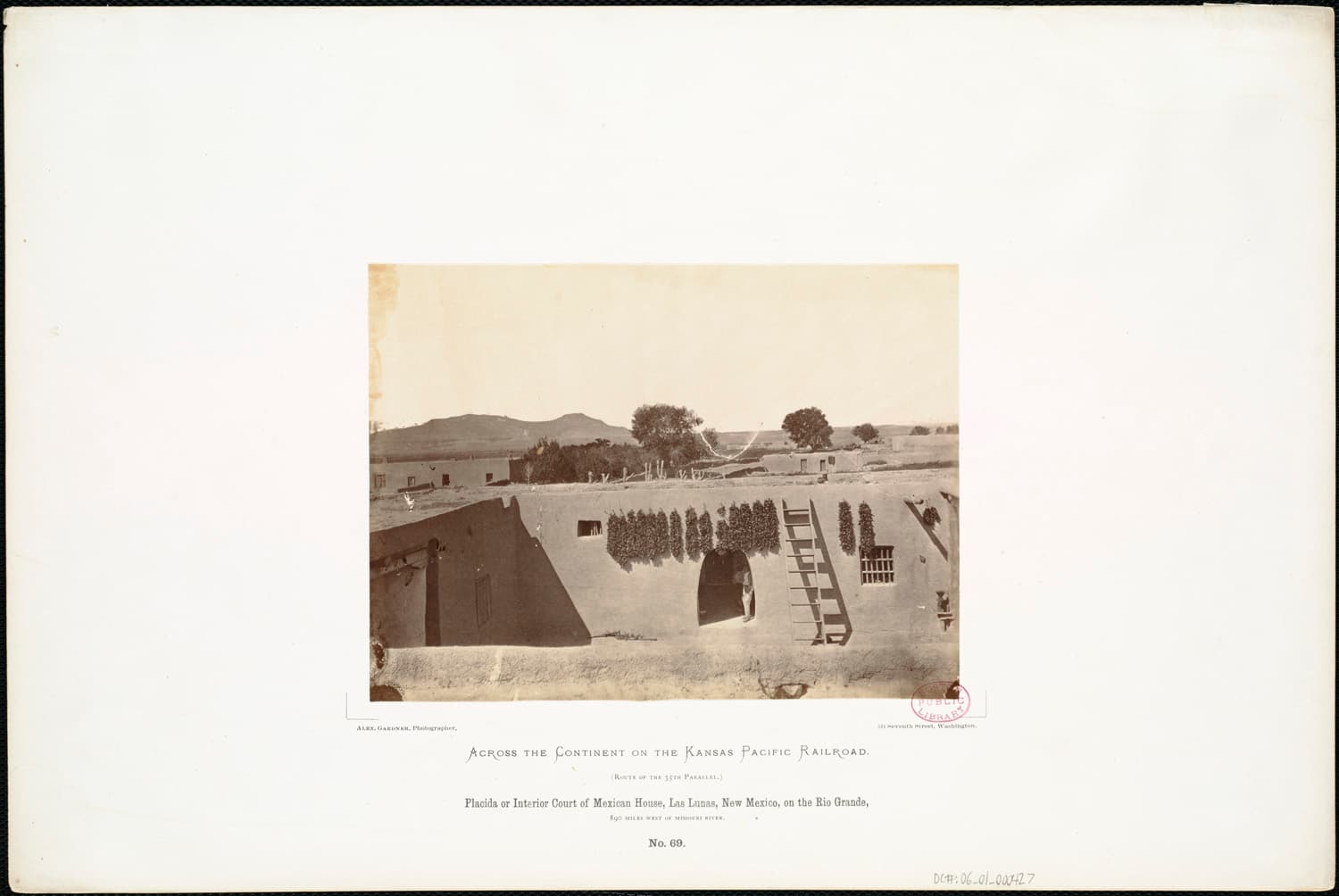
For Valencia County, that means the recent bump should be read as breathing room, not recovery. NOAA Climate.gov has described ditch riders in New Mexico’s Lower Rio Grande Valley opening irrigation gates to water crops such as pecan orchards, and it has warned that by the end of September in a drought year nearly all surface water in the Lower Rio Grande can disappear. The county’s farms, acequias and growing communities in places like Los Lunas remain tied to a river that can rise quickly after rain and fall just as fast when runoff fades.
This article was produced by Prism’s automated news system from verified source data, official records, and press releases, then run through automated quality and moderation checks before publishing. The system is built and supervised by the people who set the standards it runs under. Read our full AI policy.
Did this article answer your question?