Valencia County assessor race centers on tax accuracy, voter logistics
Valencia County's assessor race is about whether residents can trust the numbers on their tax bills, and how easily they can still vote.

Why this race matters now
The assessor’s office sits closer to daily life than many voters realize. In Valencia County, it produces the annual property tax roll, notifies owners of assessed values, verifies records and documents ownership changes, which means its work reaches homeowners, landlords, renters and businesses long before a tax bill arrives.
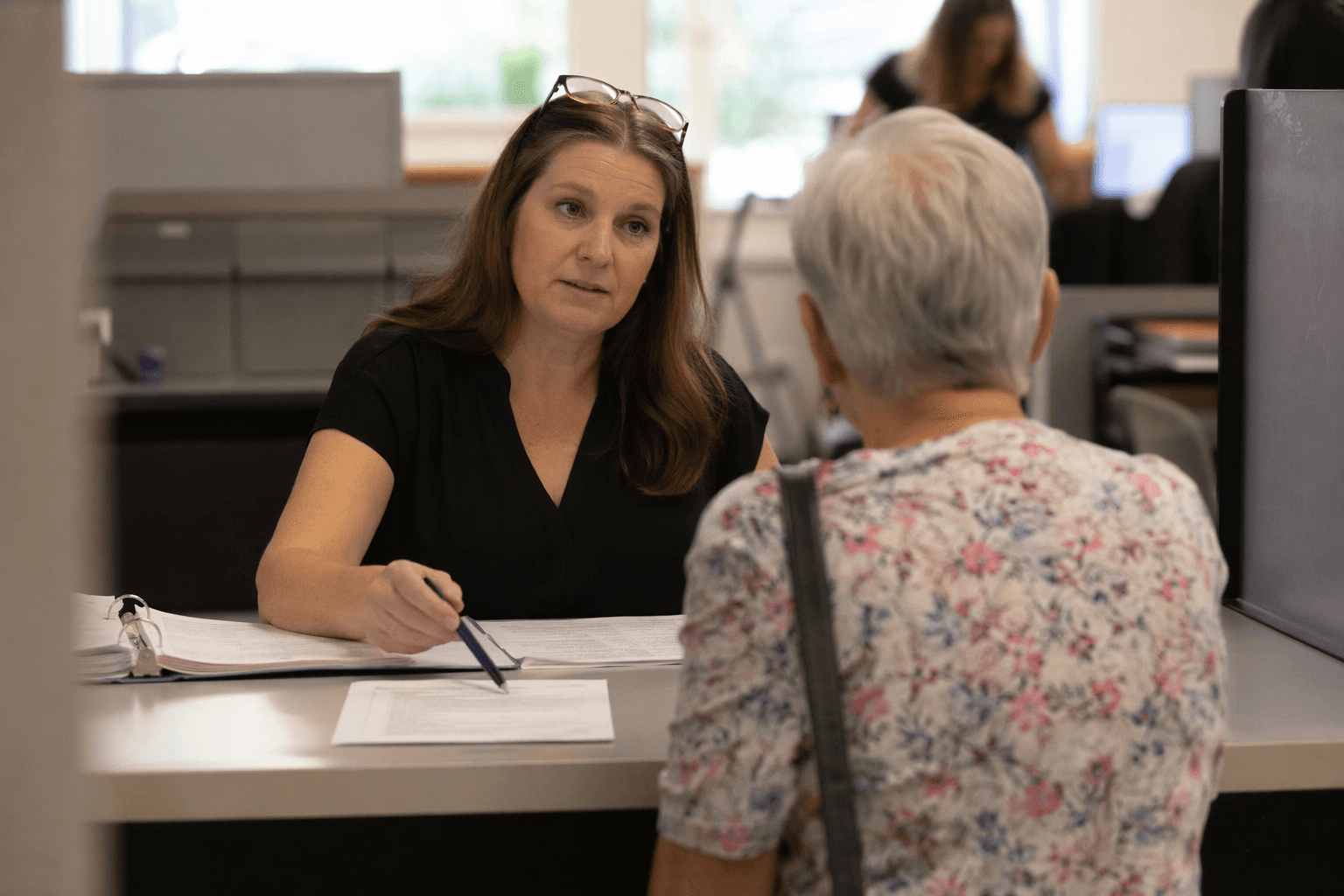
That is why this race has become a test of basic public trust. When valuations are accurate and explanations are clear, the system feels routine. When they are not, the fallout shows up in household budgets, escrow accounts, business planning and the confidence people place in county government.
What the office actually controls
This is not just a clerical post. The county assessor’s office also handles assessment tools and exemptions that matter to specific groups across Valencia County, including veterans’ exemptions, head-of-household forms, agricultural valuation and the low-income value freeze. For many residents, those forms can be the difference between a manageable bill and a painful one.
The county’s own assessment calendar shows how much timing matters. The 2025 Notice of Values was mailed May 1, 2025, and the protest period ran from May 1 to May 30. In other words, the assessor’s work does not end with a valuation notice; it continues through the process that lets property owners challenge errors before those numbers harden into tax obligations.
The candidate’s case for the office
The candidate’s pitch centers on experience, accuracy and credibility. According to the profile, the candidate has spent more than four decades as a public and political advocate, has managed teams and solved constituent problems at national, state and local levels, and has more than 20 years of experience working with property values, taxes, appraisals and real-estate finance as a senior loan officer.
That background is being presented as direct preparation for a job where technical details matter as much as public communication. The candidate says the next assessor should begin a new cycle of correct and equitable assessments, restore trust lost after mistakes in the office and make compliance with state and local law a hallmark of the position. Transparency in public meetings and inside the assessor’s office is also central to that argument.
The race is personal as well as professional. The candidate owns property and received an incorrect 2025 tax bill, a detail that gives the campaign a concrete stake in the very system voters are being asked to judge. For residents who have spent months studying their own valuations, that experience is likely to resonate.
Why tax accuracy dominates the conversation
The property-tax crisis that swept through Valencia County in 2025 is the backdrop to everything in this race. News-Bulletin reported that a mistake in net taxable property values increased the value of properties in the village of Los Lunas by more than $2 billion after Assessor Celia Dittmaier sent the figures to the state in June.
The county commission responded by unanimously voting to seek an independent investigation. County attorney Dave Pato said the investigator should be professionally familiar with property valuations and the property tax system, and he called for the findings to be released immediately to the public. That response underscored the depth of the breakdown, not just in numbers but in public confidence.
The repair work stretched into the fall. Corrected values were submitted to the New Mexico Taxation and Revenue Department on Nov. 12, 2025, and Treasurer Ron Saiz said the goal was to get revised bills mailed before the Dec. 10 deadline for the first half of property taxes. Saiz also said late penalties and interest would be waived if people paid after the deadline while the county corrected the bills.
The scale of the problem made it impossible to dismiss as a one-off paperwork error. The treasurer’s office website lists about 209,000 tax bills sent out annually, and Saiz publicly acknowledged an incorrect 22 percent increase to tax bills. Even after corrections began, some bills reportedly still duplicated charges for the Middle Rio Grande Conservation District, the Valencia Soil and Water Conservation District and the Valencia County Arroyo Flood Control District.
How to vote in the county race
Voters who still need to cast a ballot have a few straightforward requirements. Same-day registration is available at the county administration building in Los Lunas and at early-voting sites around the county. For the primary, voters need a Valencia County residential address, a photo ID and proof of residency.
- Early voting continues through Saturday, May 30.
- County convenience centers will be open on Tuesday, June 2.
Those logistics matter in a race like this because local offices are often decided by people who know exactly where to go and what to bring. The county’s Bureau of Elections has also treated the 2025 Regular Local Election as part of a larger cycle that included sheriff, commission seats, probate judge and magistrate divisions, a reminder that assessor decisions are never isolated from the rest of county government.
A small turnout can shape a big responsibility
The broader election picture helps explain why these races can hinge on relatively few ballots. The 2025 Regular Local Election was formally called for Nov. 4, 2025, and official New Mexico results put statewide turnout at 25.29 percent. That is a low enough participation rate to give local contests outsized consequences for tax policy, public records and administrative competence.
In Valencia County, the assessor’s office is where abstract numbers become real bills. That is why the next officeholder will be judged not by slogans, but by whether the county can finally trust the values that land in mailboxes, escrow statements and business ledgers.
This article was produced by Prism’s automated news system from verified source data, official records, and press releases, then run through automated quality and moderation checks before publishing. The system is built and supervised by the people who set the standards it runs under. Read our full AI policy.
Did this article answer your question?

