Valencia County Lists 30+ Community Partners for Family and Safety
Valencia County’s Community Partners page compiles more than 30 local organizations, government offices and programs that cooperate on family, youth and public safety services. The centralized resource helps residents and providers identify referral paths and contact points for everything from juvenile services to substance use and domestic violence support.
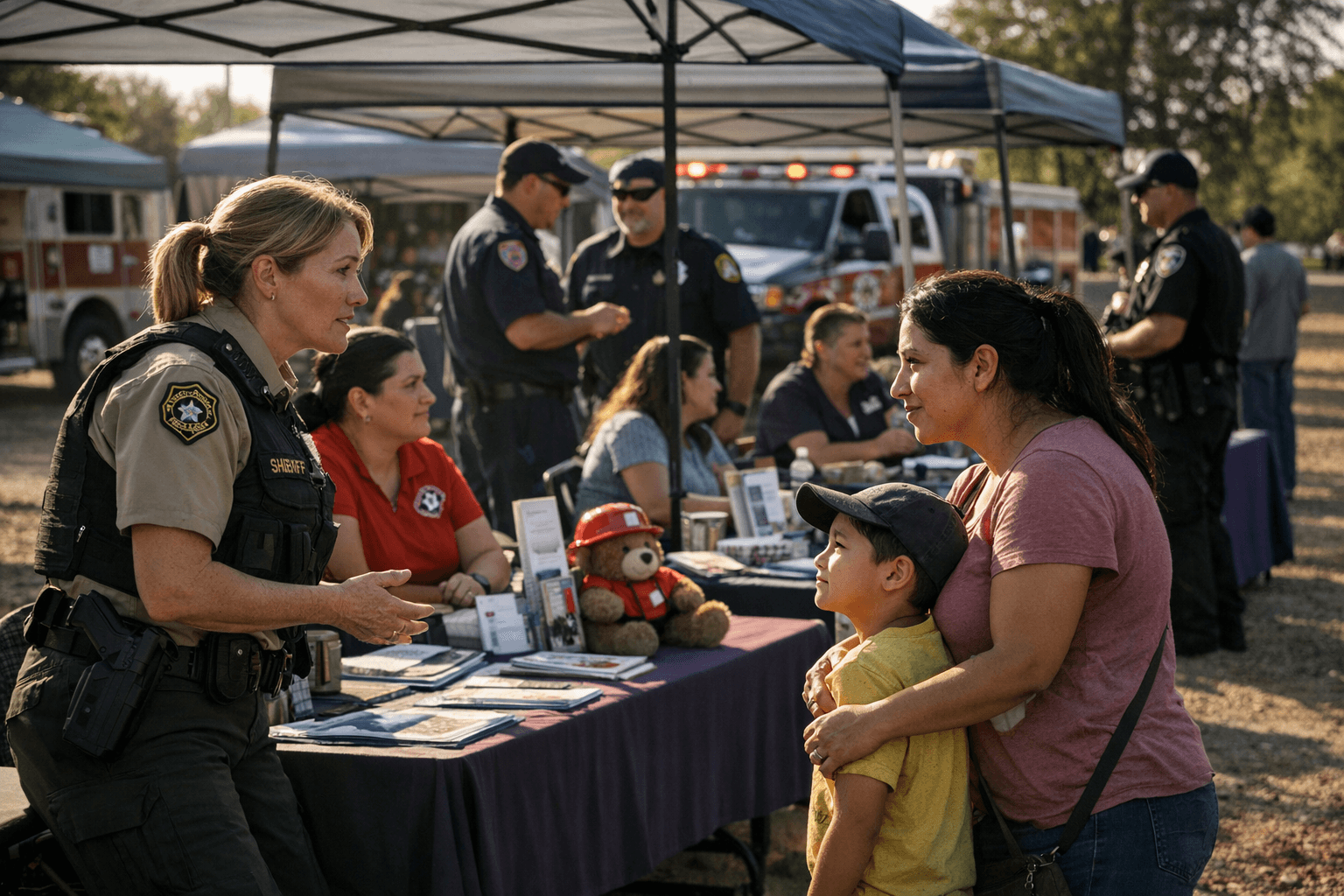
Valencia County maintains a Community Partners page that brings together more than 30 named organizations and agencies that work on family, youth and public safety issues across the county. The list includes courts, municipal police, school districts, tribal partners, nonprofit providers and county programs, and it links to resource directories, archived reports and referral forms intended for frontline staff and residents.
Named partners range across the public and nonprofit spectrum. Judicial and law enforcement partners include the 13th Judicial District Court, New Mexico State Police, Valencia County Sheriff Department, the District Attorney’s Office, Belen Police Department and Los Lunas Police Department. Youth and education partners include the Belen and Los Lunas school districts, UNM-Valencia Campus, Boys & Girls Club and YDI Valencia. Social and behavioral health services include CASA, CYFD, Southwest Family Guidance Center, Presbyterian MST, Valencia County Juvenile Drug Court, Valencia County DWI Program and Valencia Domestic Violence Shelter. Local governments and community groups on the list include the Pueblo of Isleta, Town of Peralta, Village of Los Lunas, Meadow Lake Association, Valle Del Sol, United Way, Team Builders and TNT Boxing. County offices such as Juvenile Probation and Parole, Parks & Recreation, Valencia County Cooperative Extension and Resiliency Corps are also included.
For Valencia County residents and service providers, the practical value is immediate. Referral forms and directories collected in one place reduce the friction of locating appropriate services, which can shorten the time between crisis identification and intervention. For professionals working in schools, health care or public safety, having a single reference of contact names and program types supports quicker coordination among law enforcement, courts, behavioral health providers and community groups.
From a policy and fiscal perspective, centralized partner lists are a low-cost tool that can improve service efficiency and outcomes without immediate new spending. Better routing of cases to prevention and treatment services can lower pressure on emergency services and courts over time, and coordinated referrals support grant applications or program evaluations that document cross-agency collaboration. Inclusion of tribal government, municipal, county and state partners also signals an emphasis on interoperability across jurisdictions, which matters for funding decisions and long-term planning.
Longer term, the page reflects broader trends in local governance toward multi-agency networks that prioritize prevention, rehabilitation and community resilience. For residents seeking help or for professionals making referrals, the Community Partners page functions as a practical map of where to turn for juvenile services, DWI intervention, domestic violence support, prevention programs and educational resources.
This article was produced by Prism’s automated news system from verified source data, official records, and press releases, then run through automated quality and moderation checks before publishing. The system is built and supervised by the people who set the standards it runs under. Read our full AI policy.
Did this article answer your question?


