Valencia County residents oppose Niagara Bottling water use expansion in Los Lunas
Niagara Bottling sought permission to use 254 million gallons of water a year in Los Lunas, reigniting fears about household supply in Valencia County.

At a Thursday night Los Lunas Village Council meeting, Valencia Water Watchers again opposed Niagara Bottling’s push to use 254 million gallons of water a year in Los Lunas. For residents in a desert county, the question is practical and immediate: whether that water stays available for homes, pressure in the system and drought resilience, or shifts to industrial growth.
Niagara Bottling opened its Los Lunas plant in 2017. Under the original agreement, the California-based company that makes water and other beverages for third parties was allowed to use up to 285 acre-feet of water a year, about 93 million gallons. The new request would expand that amount to 254 million gallons a year, or nearly three times the original limit.
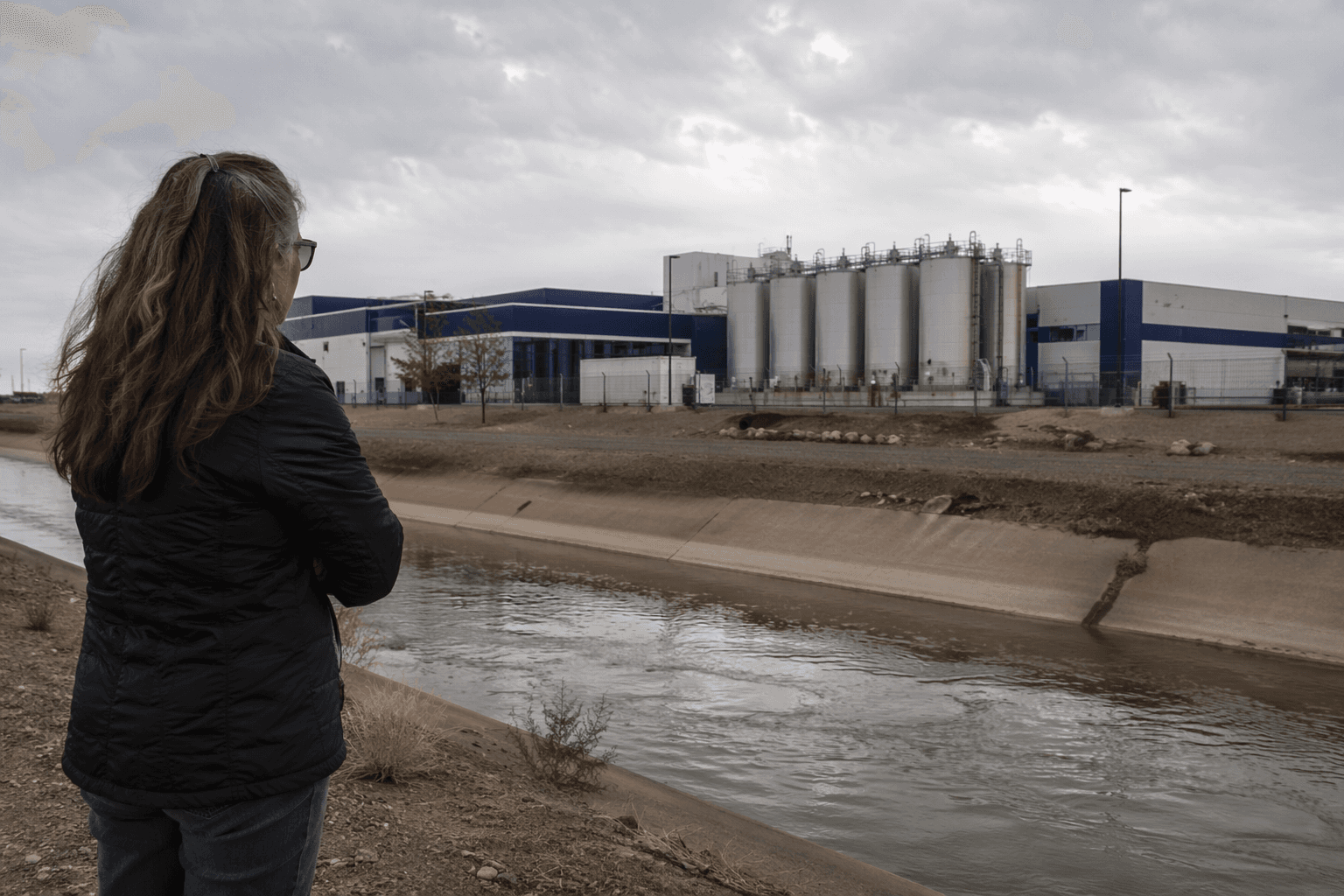
Valencia Water Watchers has fought the company’s water requests for years. On its website, the group says Niagara has tried four times to “pillage our aquifer,” a sign of how deeply the dispute has settled into local politics. The organization also says the Village of Los Lunas voted Feb. 8 to approve Niagara’s request, even as the group continued to press its case against the expansion.
The group says it has been organizing around local water concerns since January 2020 and warns in an August 2025 handout that New Mexico faces a long-term water crisis. That argument resonates in Valencia County, where water limits shape not only household use but also homebuilding, farm planning and whether future development can be supported without straining local infrastructure.

Niagara’s Los Lunas page says the company operates in the village as part of its broader business footprint, but the public fight has centered on a more basic issue: who gets priority when water is scarce. Supporters of the expansion frame the request as part of ongoing industrial activity in Los Lunas; opponents see it as another large demand on an aquifer and utility system already under pressure in a region where every acre-foot matters.
This article was produced by Prism’s automated news system from verified source data, official records, and press releases, then run through automated quality and moderation checks before publishing. The system is built and supervised by the people who set the standards it runs under. Read our full AI policy.
Did this article answer your question?